Year: 2013

  • My time in an asylum

    My time in an asylum

    My friend Alice and I visited the Lier sykehuset in Norway. It was a mental hospital built in 1926 and operated until 1985.

    Between 1945 and 1974, staff at Lier sykehuset conducted experiments with LSD, performed lobotomi’s and tested new drugs which the pharmaceutical industry were not allowed to test. They also performed experimental research with radioactive isotopes on patients. Patients were known to have been placed in isolation and inflicted with prolonged use of belts and straitjackets.

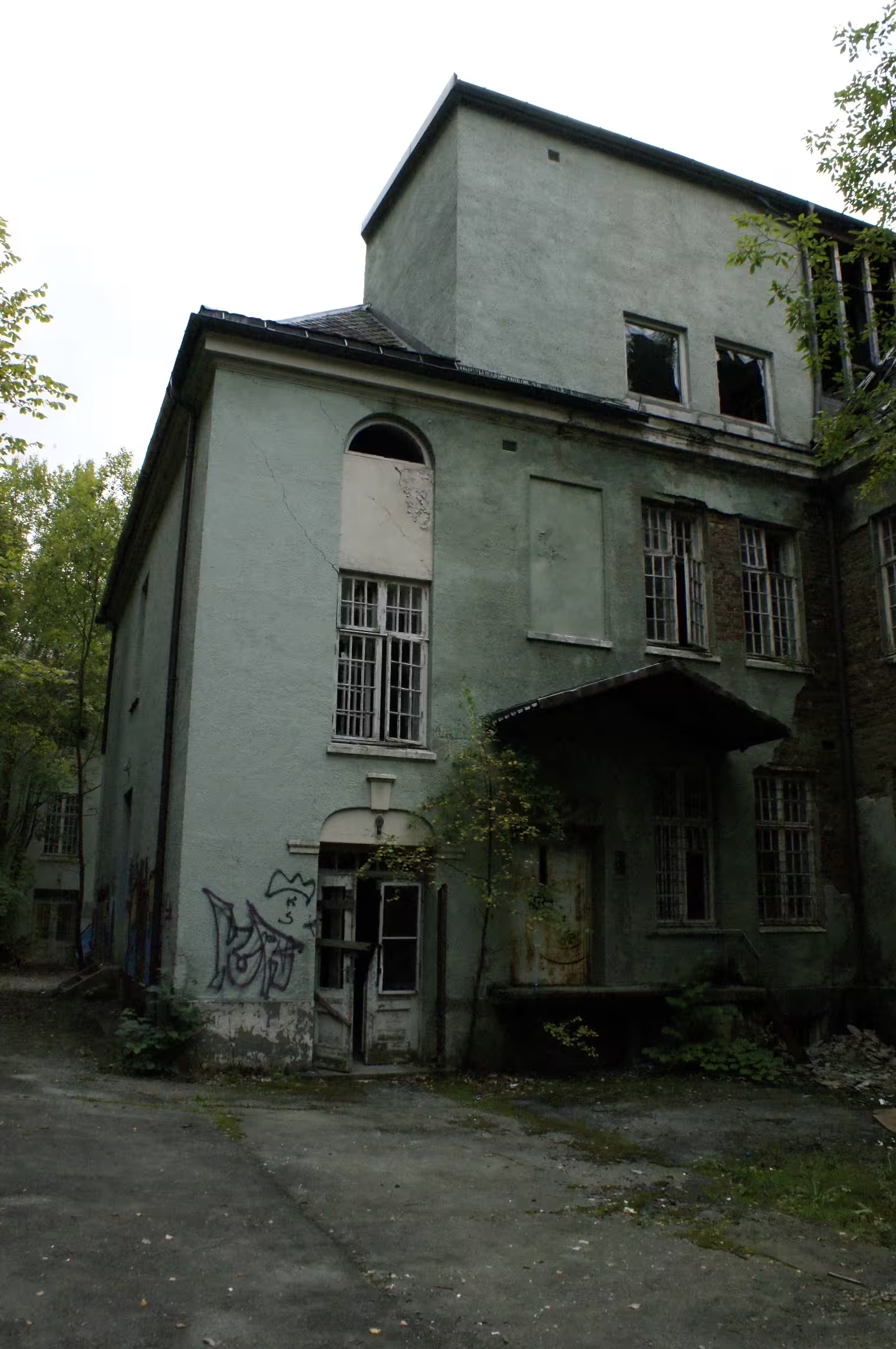
    Most of the buildings now sit abandoned and are due to be knocked down. Two of the buildings were fenced off and had warning signs, but two of them had an entrance way through their surrounding fences and an open door for entering the building through.
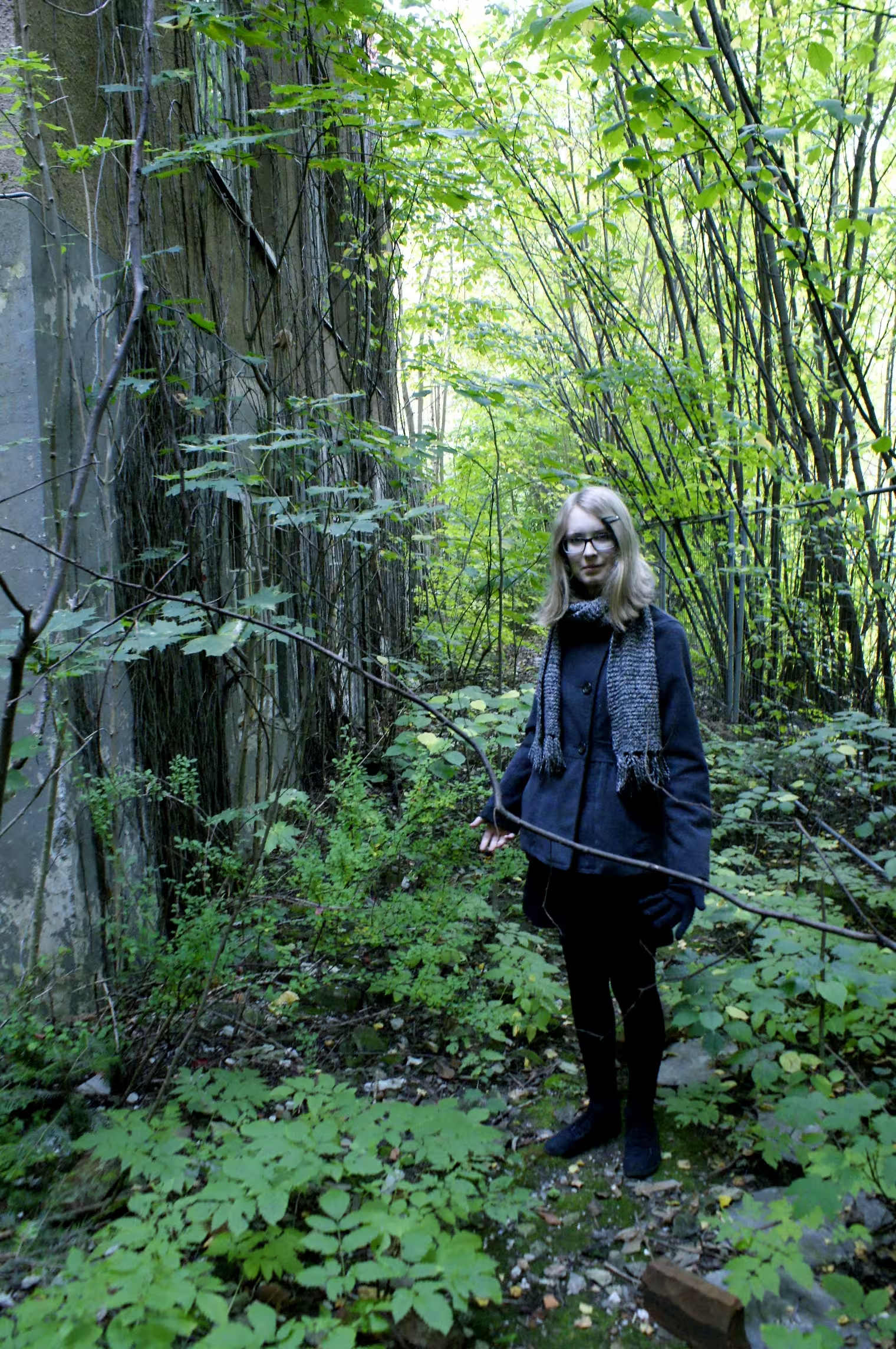
    Alice looking around the outside of the building
    Alice looking around the outside of the building
    The exterior of block B of Lier mentalsykehuset
    The exterior of block B of Lier mentalsykehuset
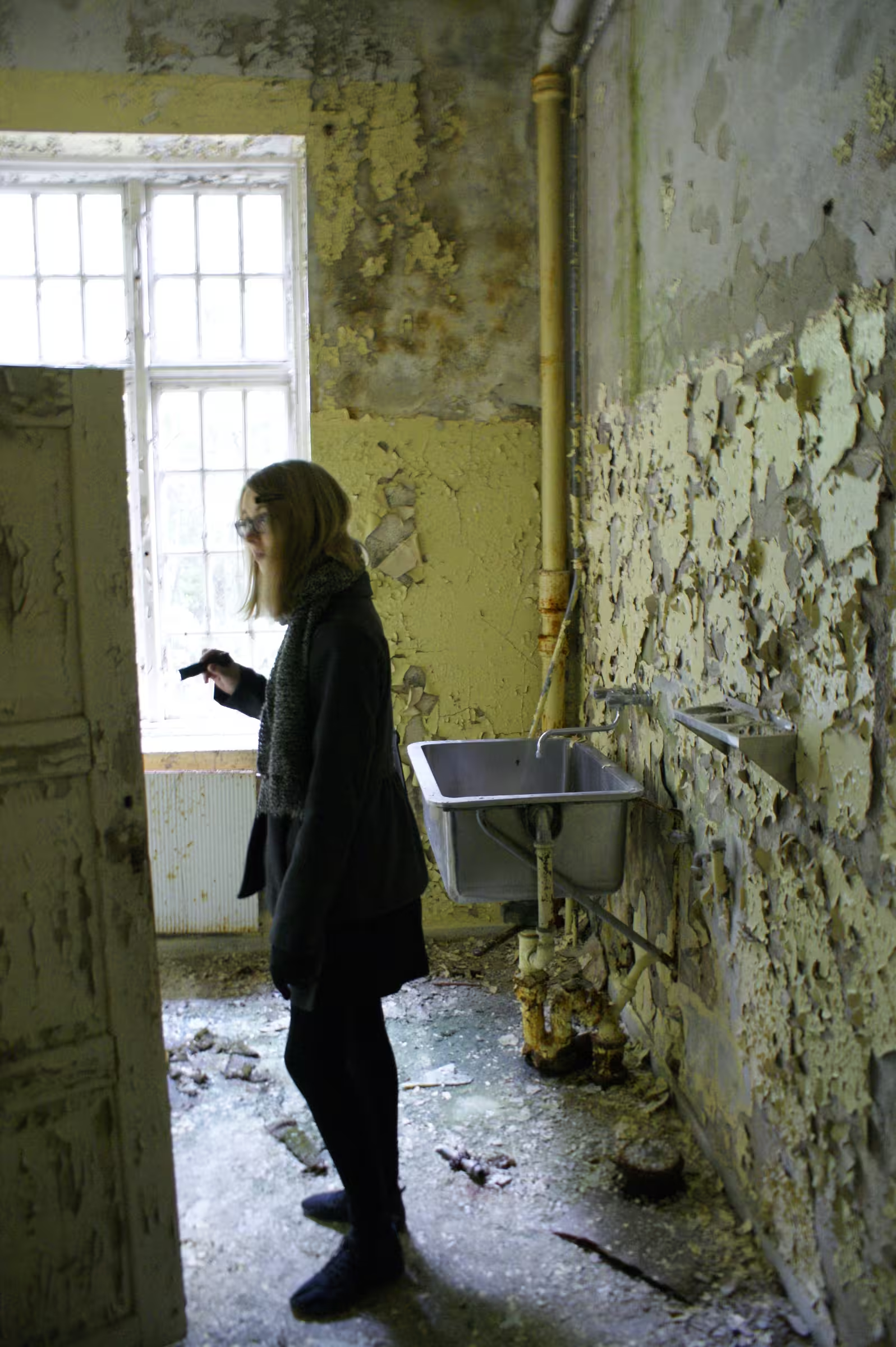
    Alice looking for interesting things in an old kitchen
    Alice looking for interesting things in an old kitchen
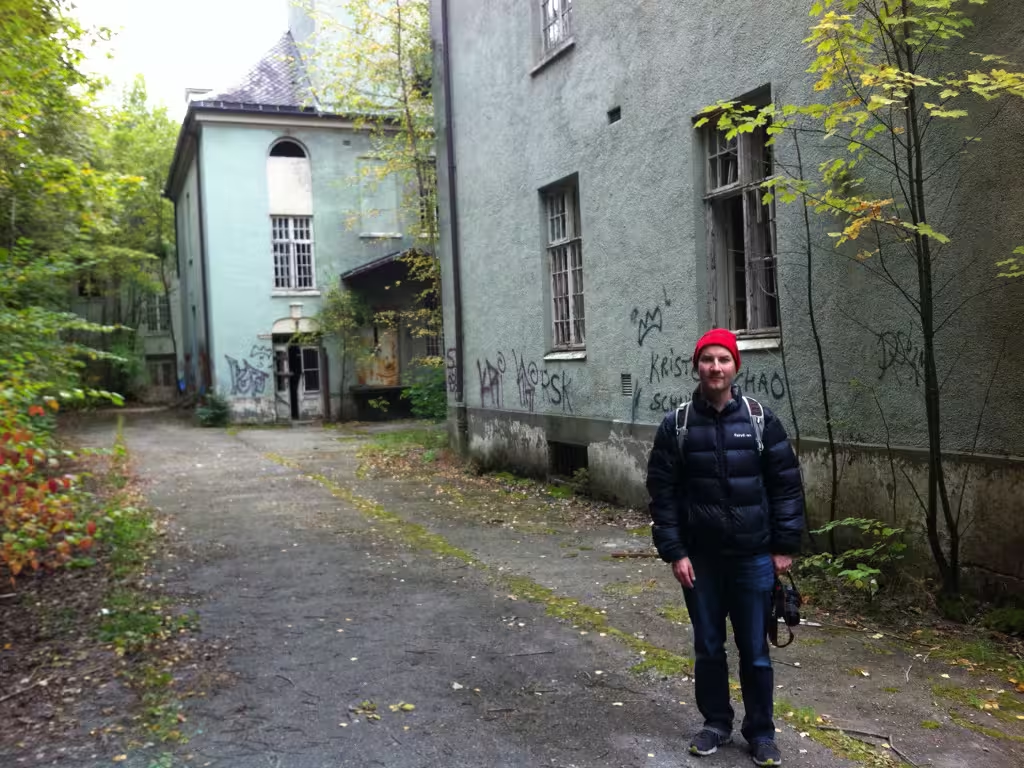
    Me, standing outside block B
    Me, standing outside block B. Thanks to Alice for taking the photo 🙂
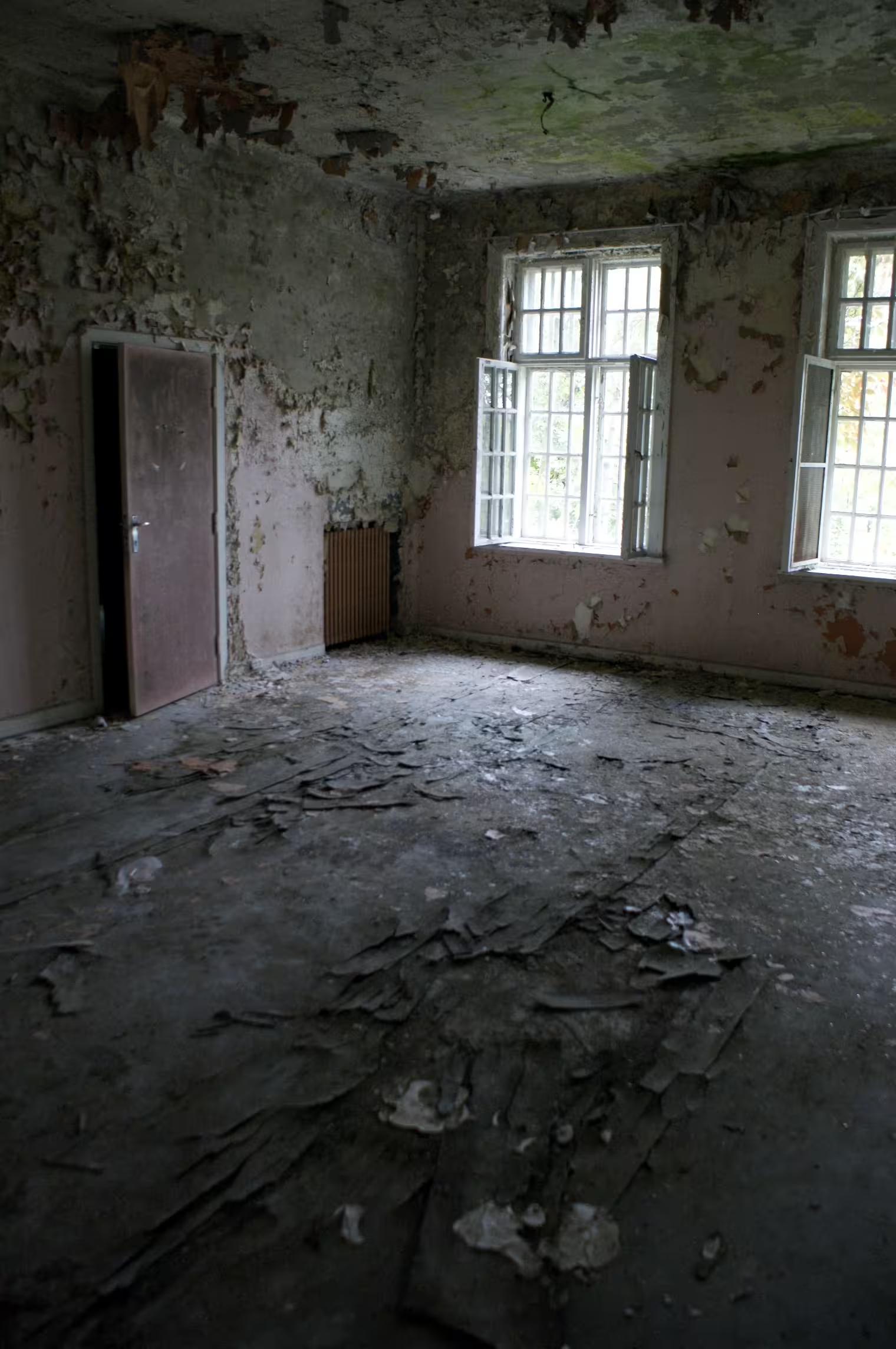
    The past 22 years of decay has left the paint in a sorry of state of disrepair
    The past 22 years of decay has left the paint in a sorry of state of disrepair
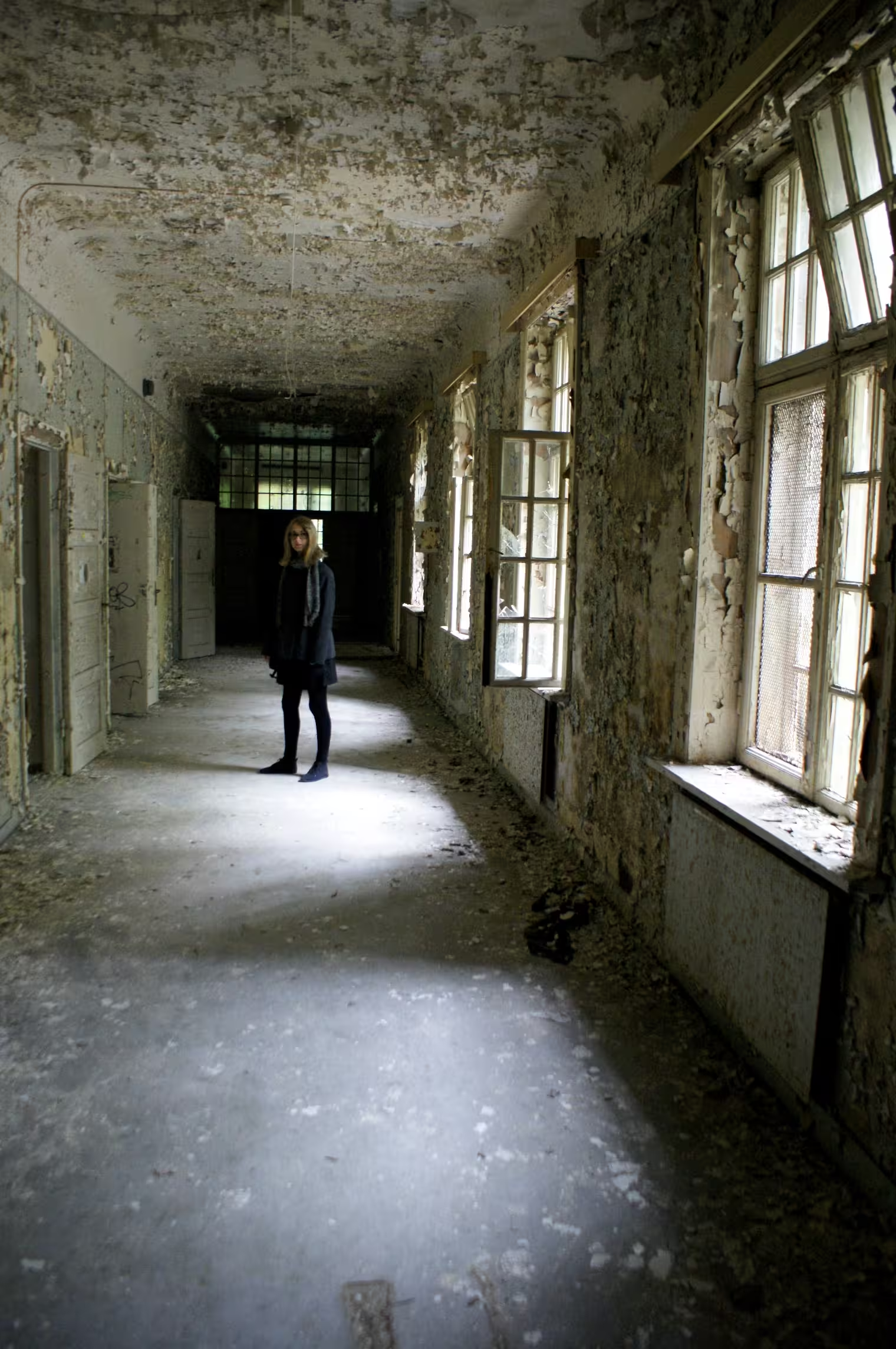
    Alice standing in the hallway
    Alice standing in the hallway
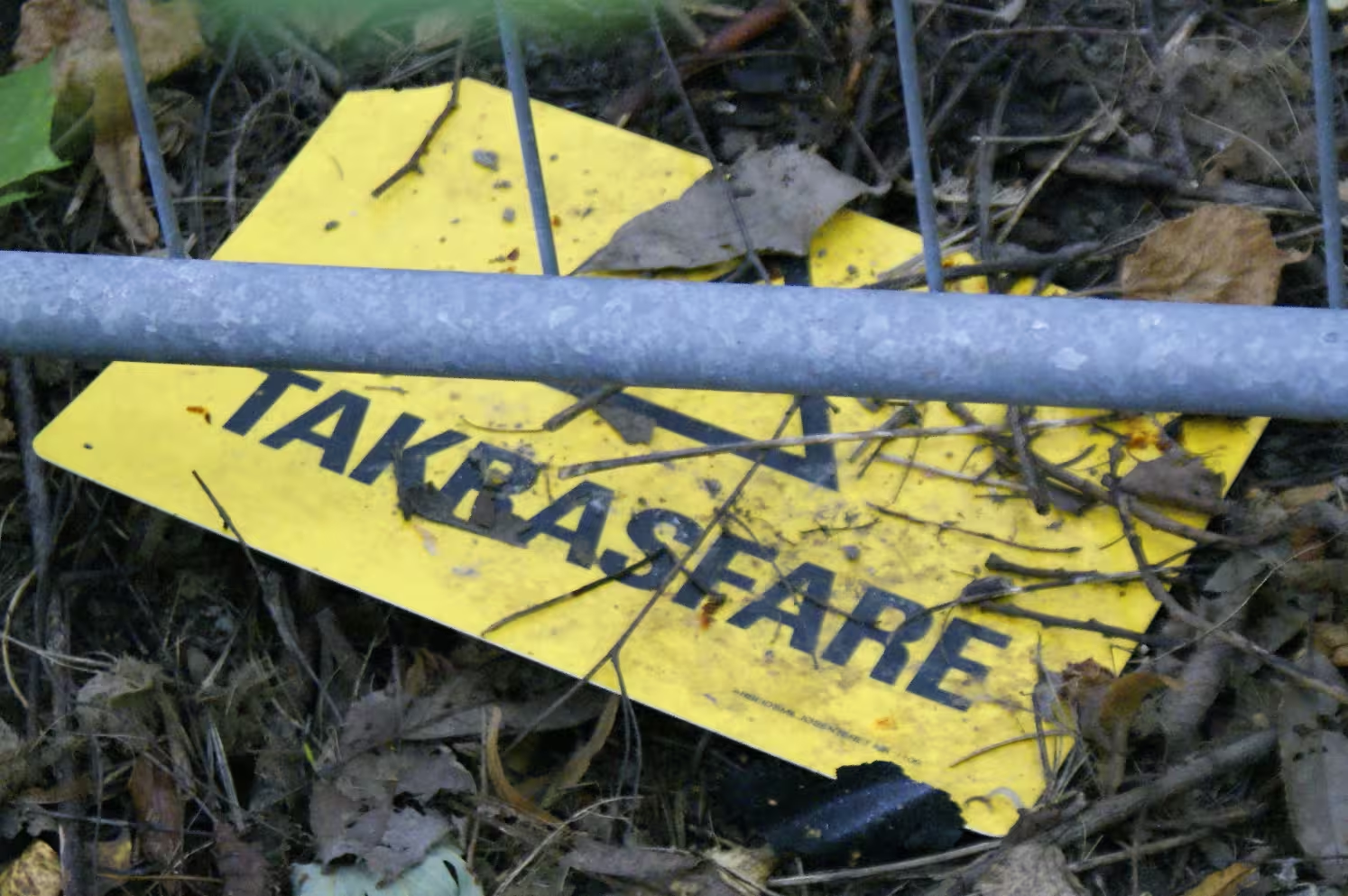
    After walking around the exterior of the building, we found this warning about stuff potentially falling off the roof
    After walking around the exterior of the building, we found this warning about stuff potentially falling off the roof
  • Reichstag

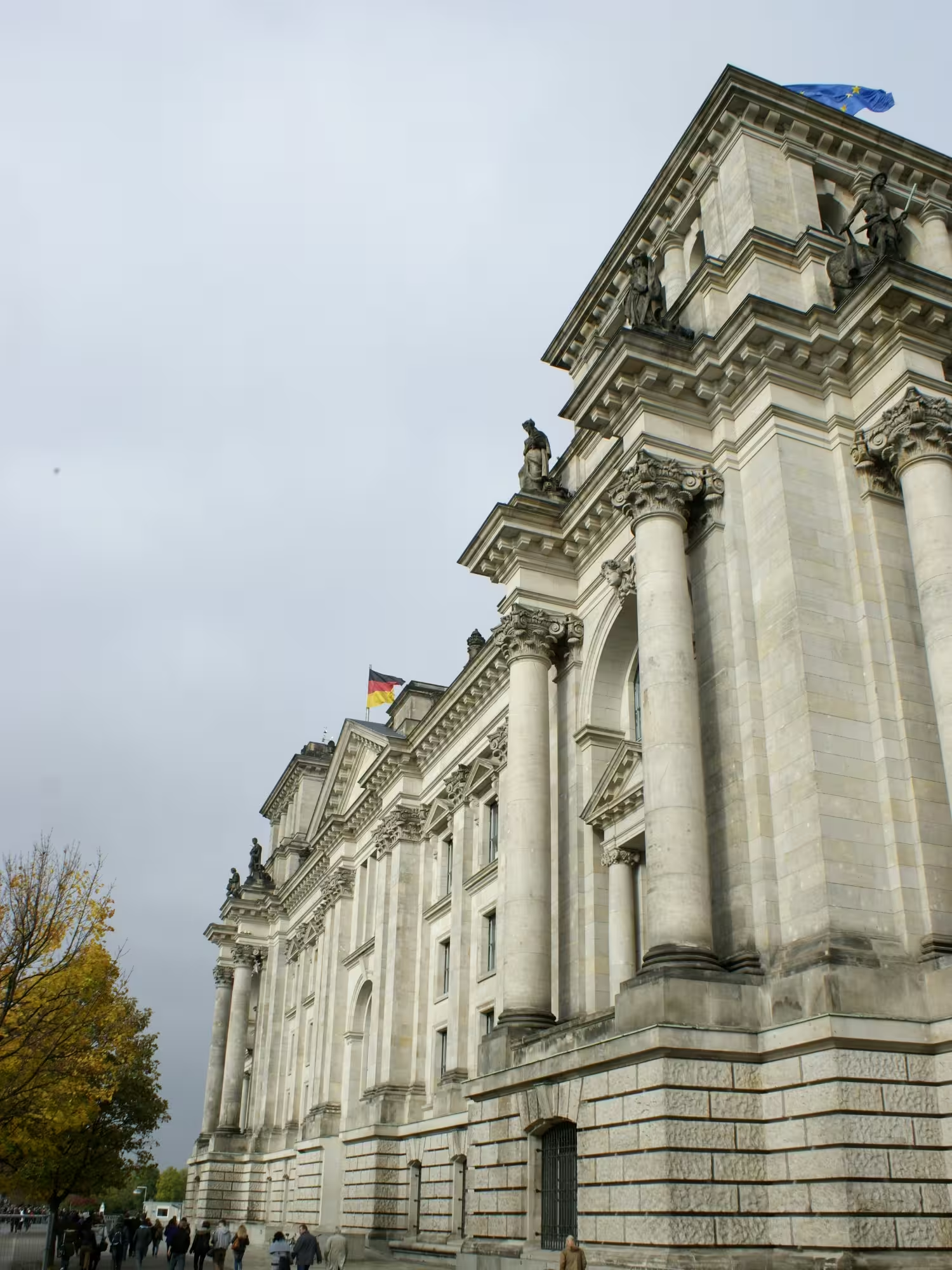
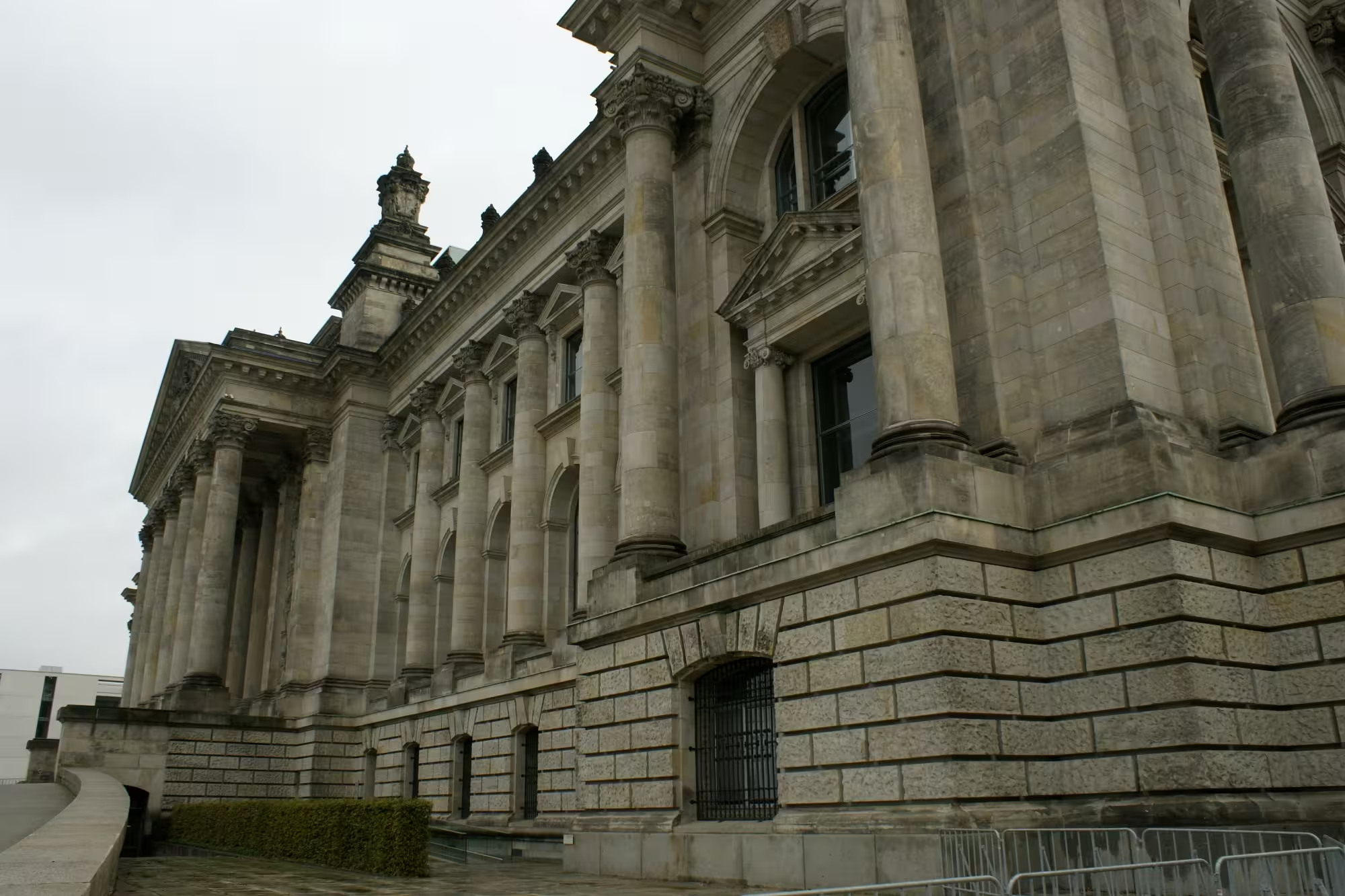
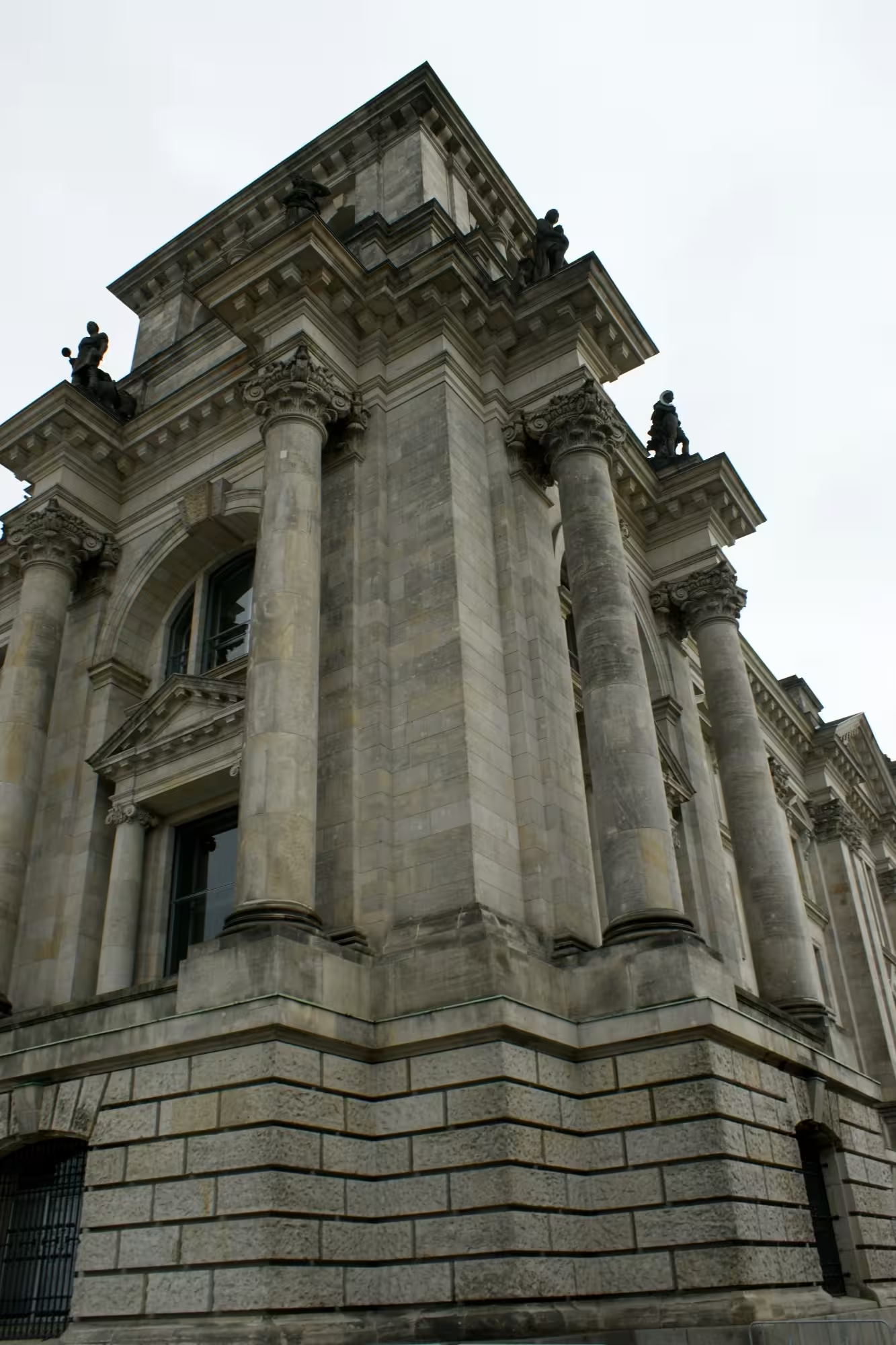
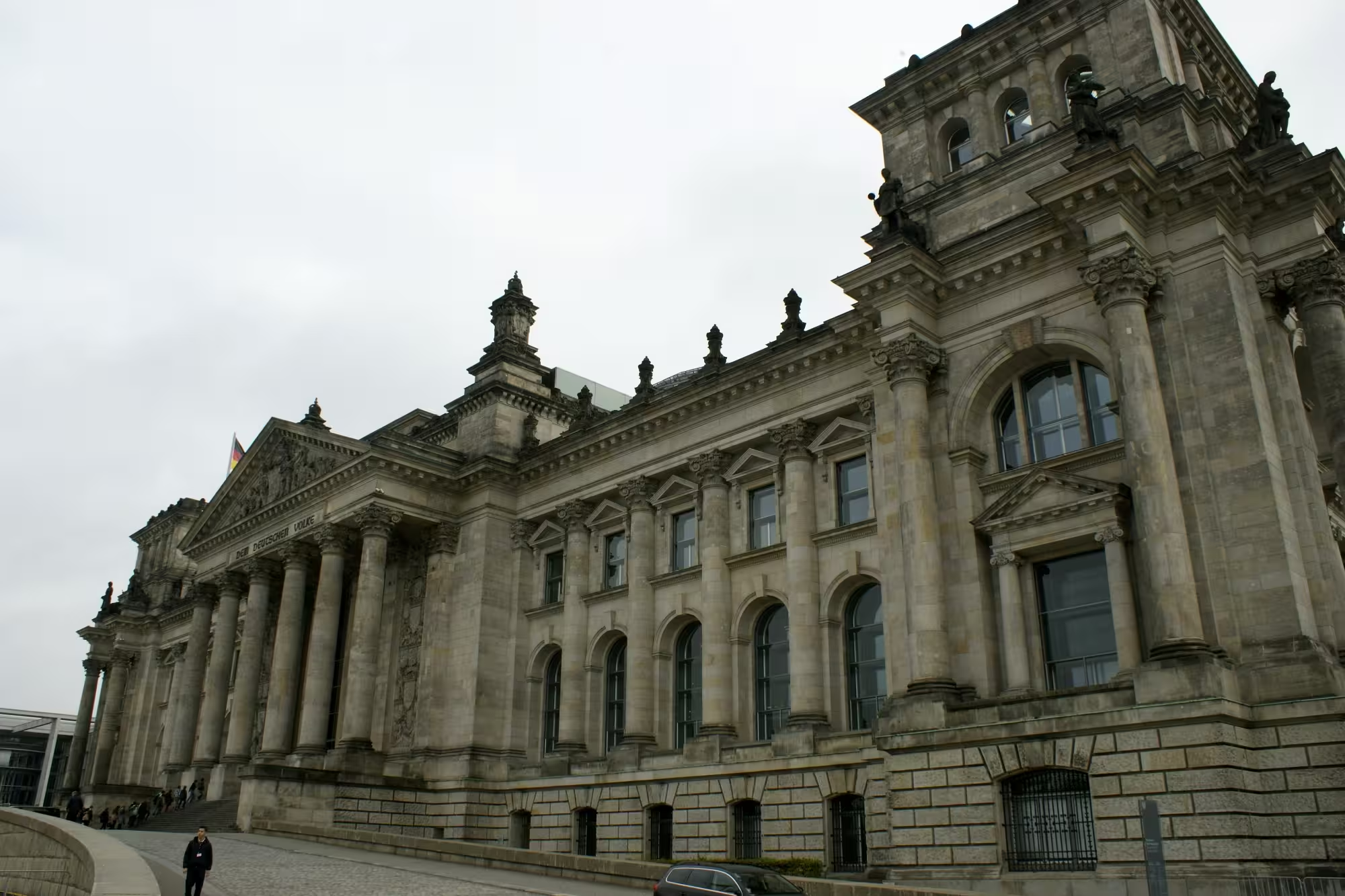
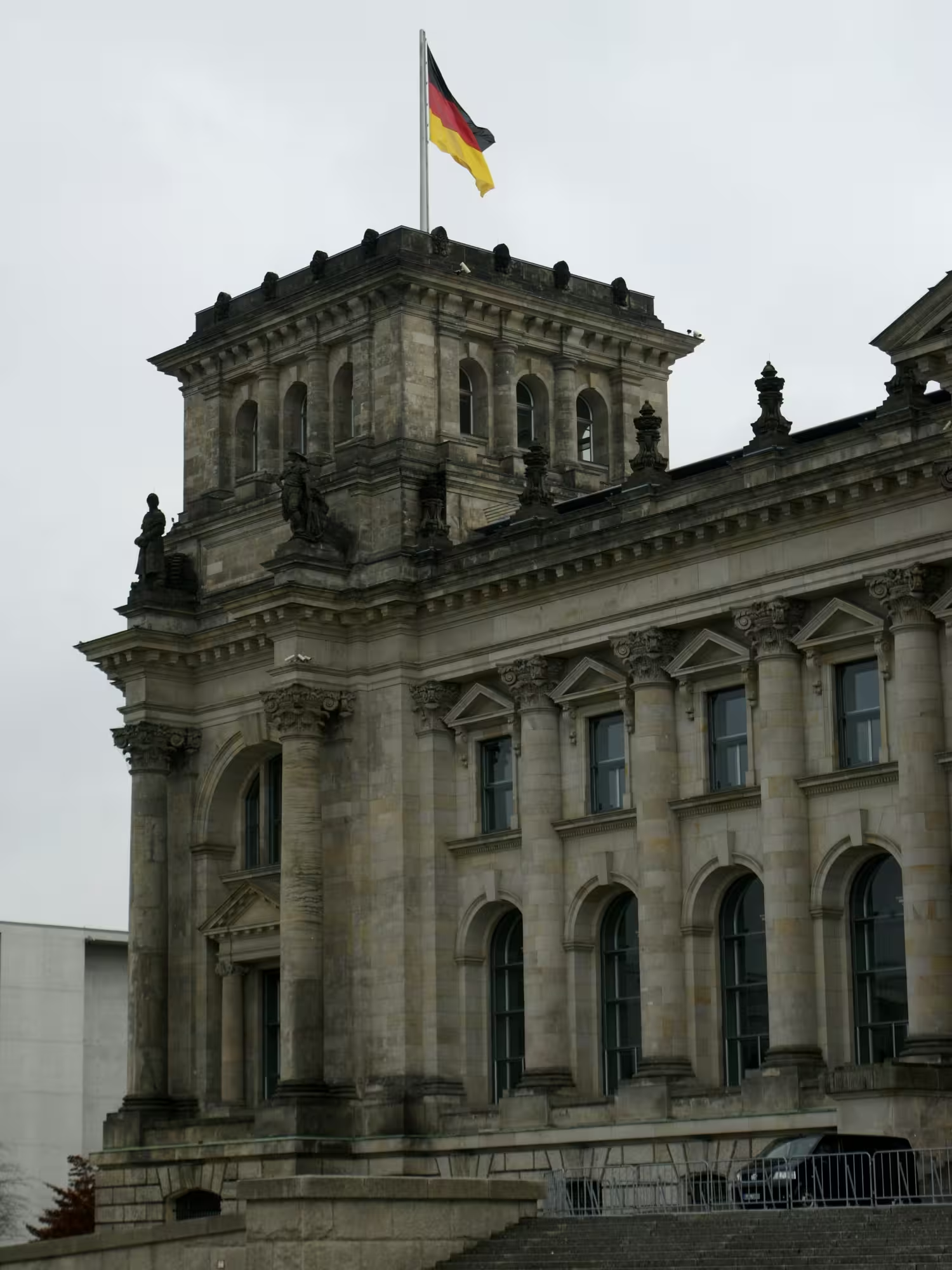
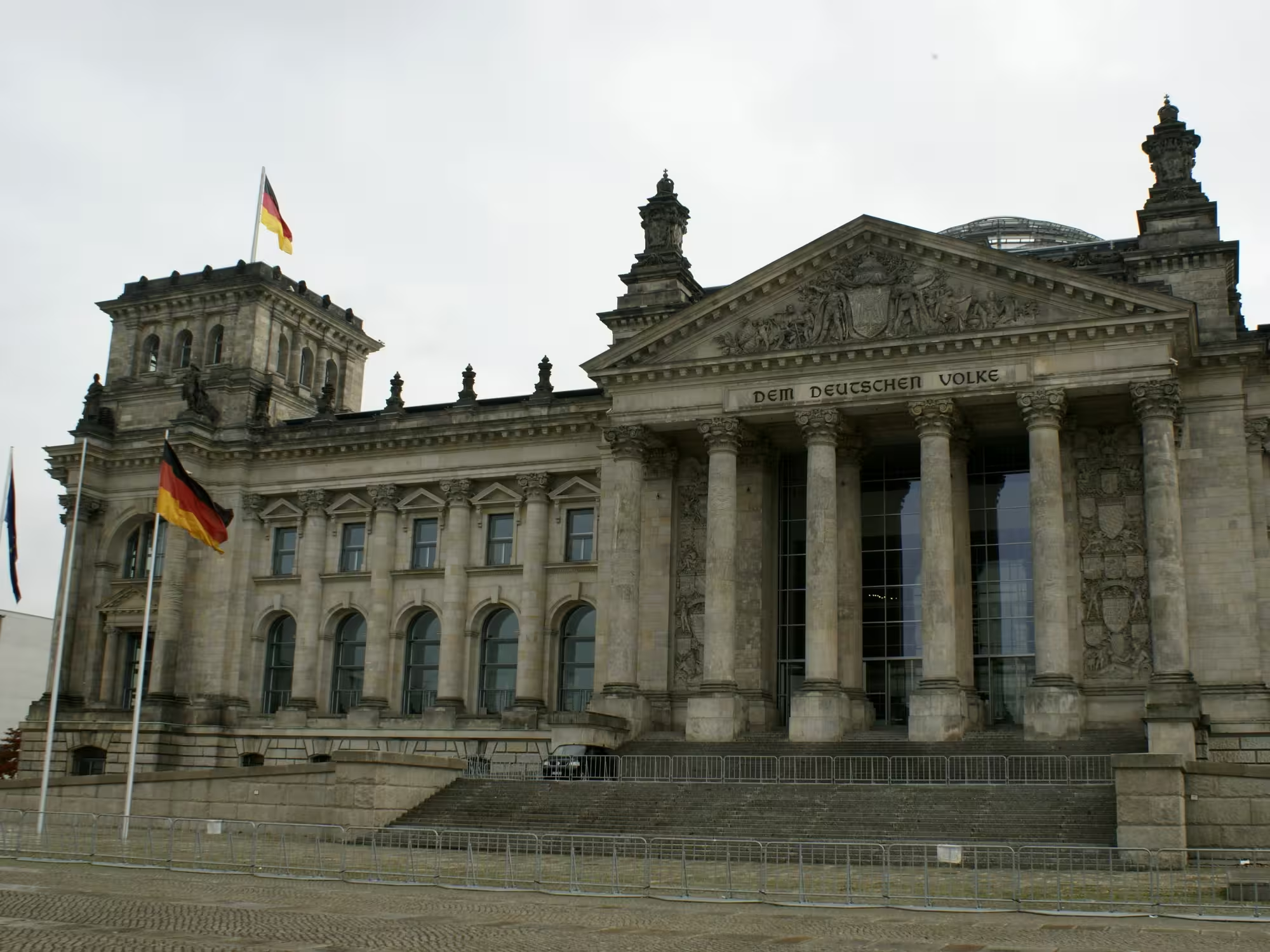
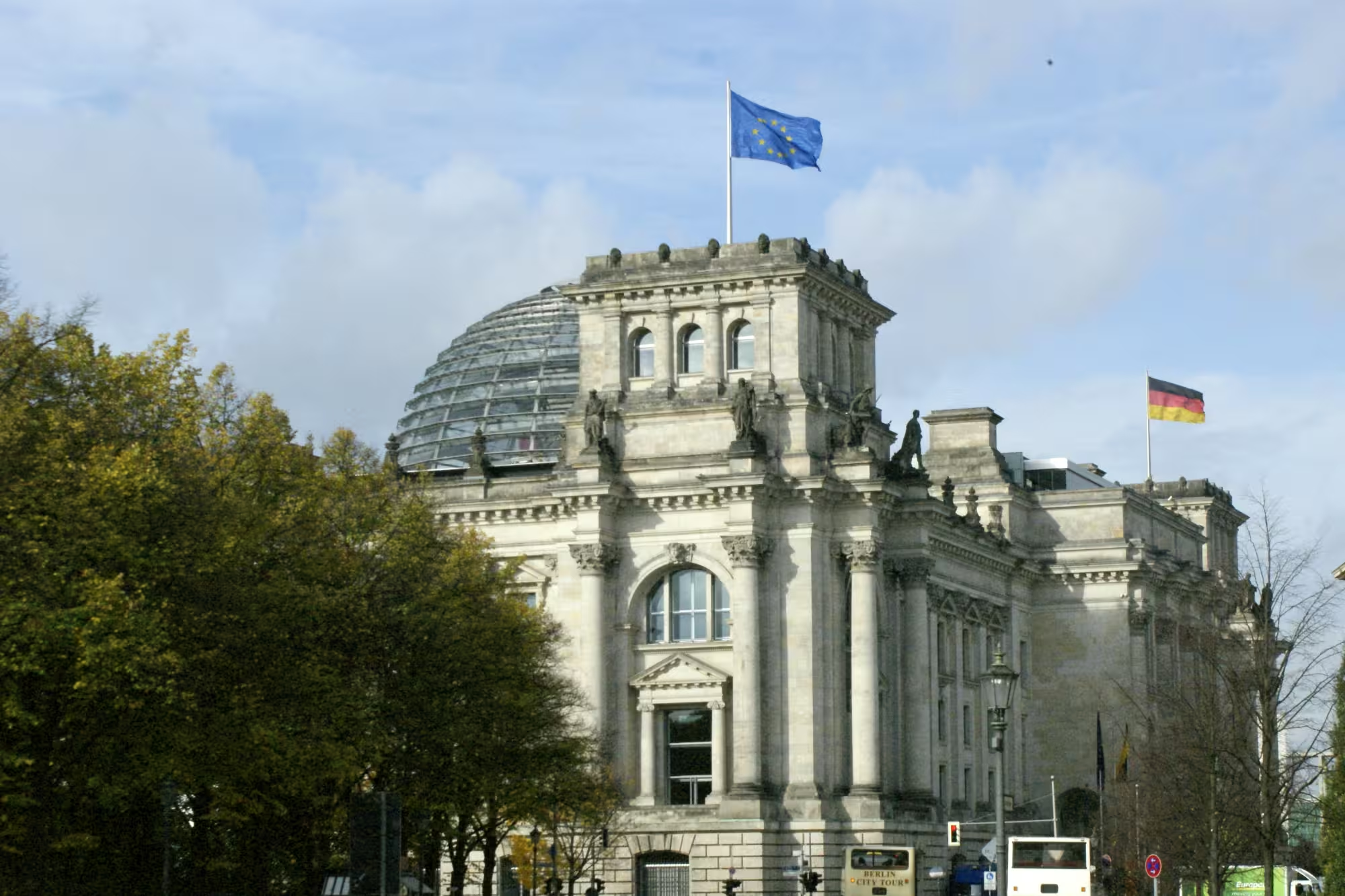
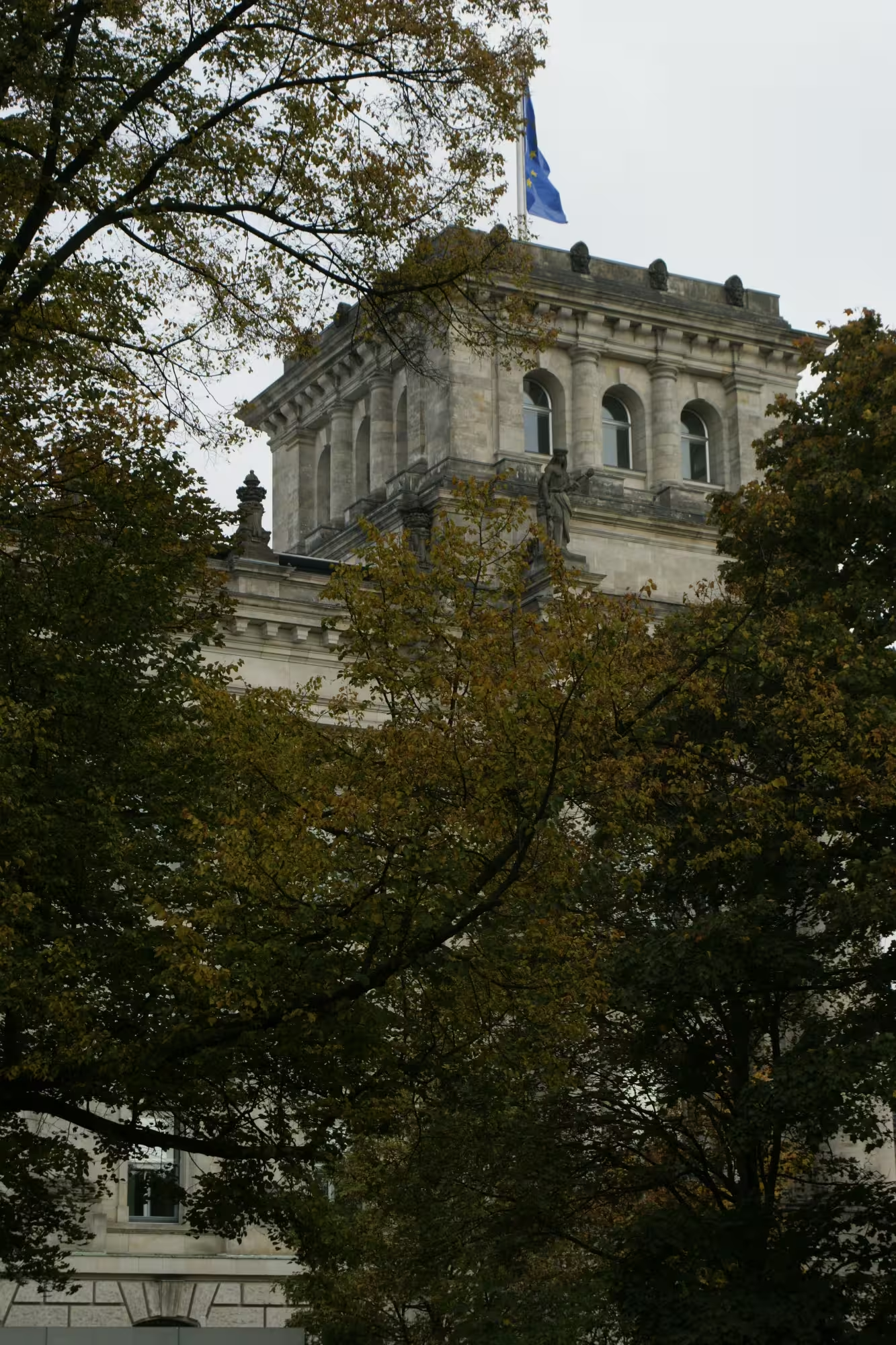
    The Reichstag is a spectacular looking building in Berlin, which was used by the German parliament from 1894 to 1933, then was gutted by fire. The German parliament moved to Bonn until reunification with East Germany in 1990, then they moved back to the Reichstag in 1999 where they are still based today.

    Reichstag

    Reichstag

    Reichstag

    Reichstag

    Reichstag

    Reichstag

    Reichstag

  • Berlin Siegessäule

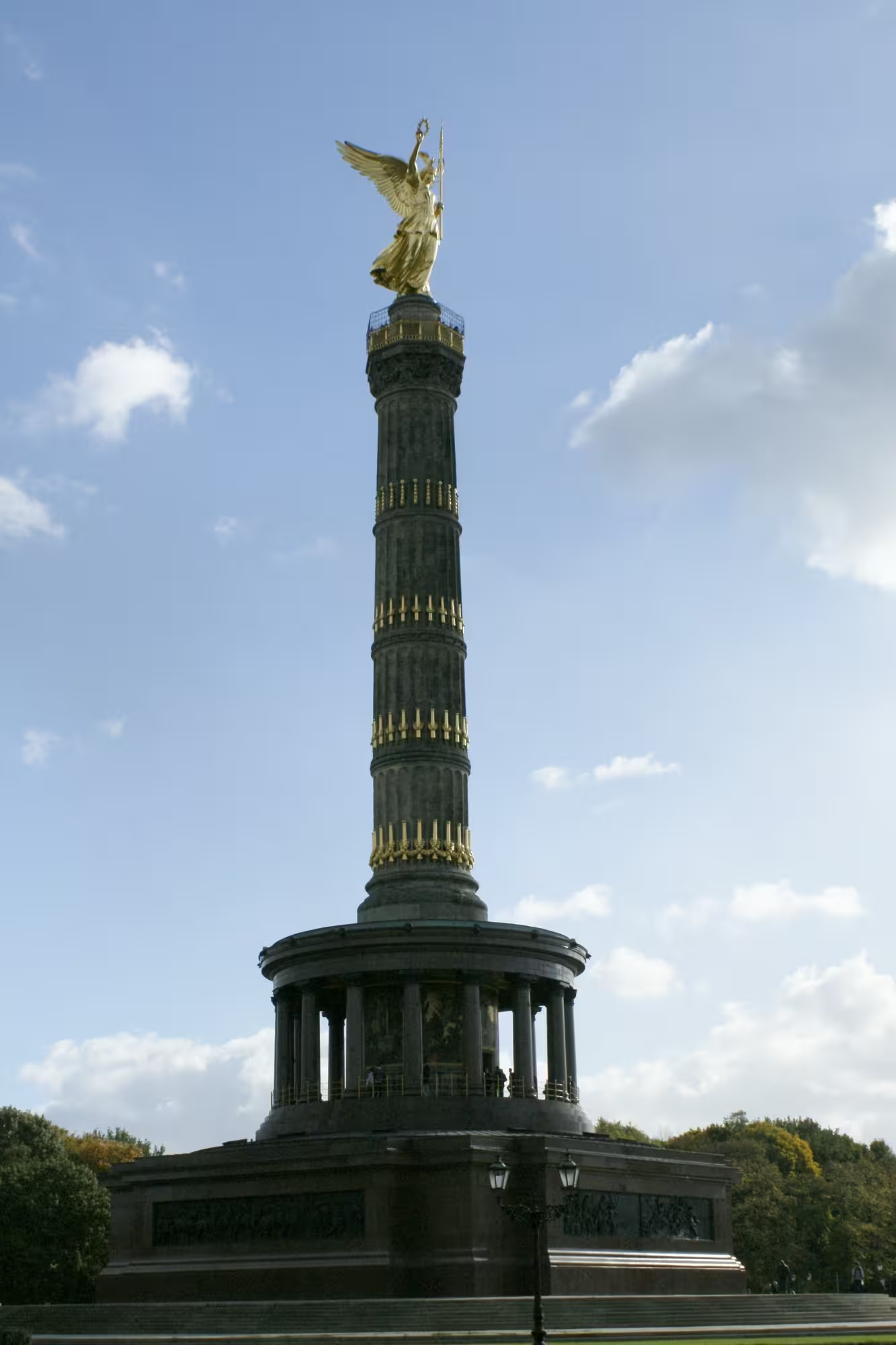
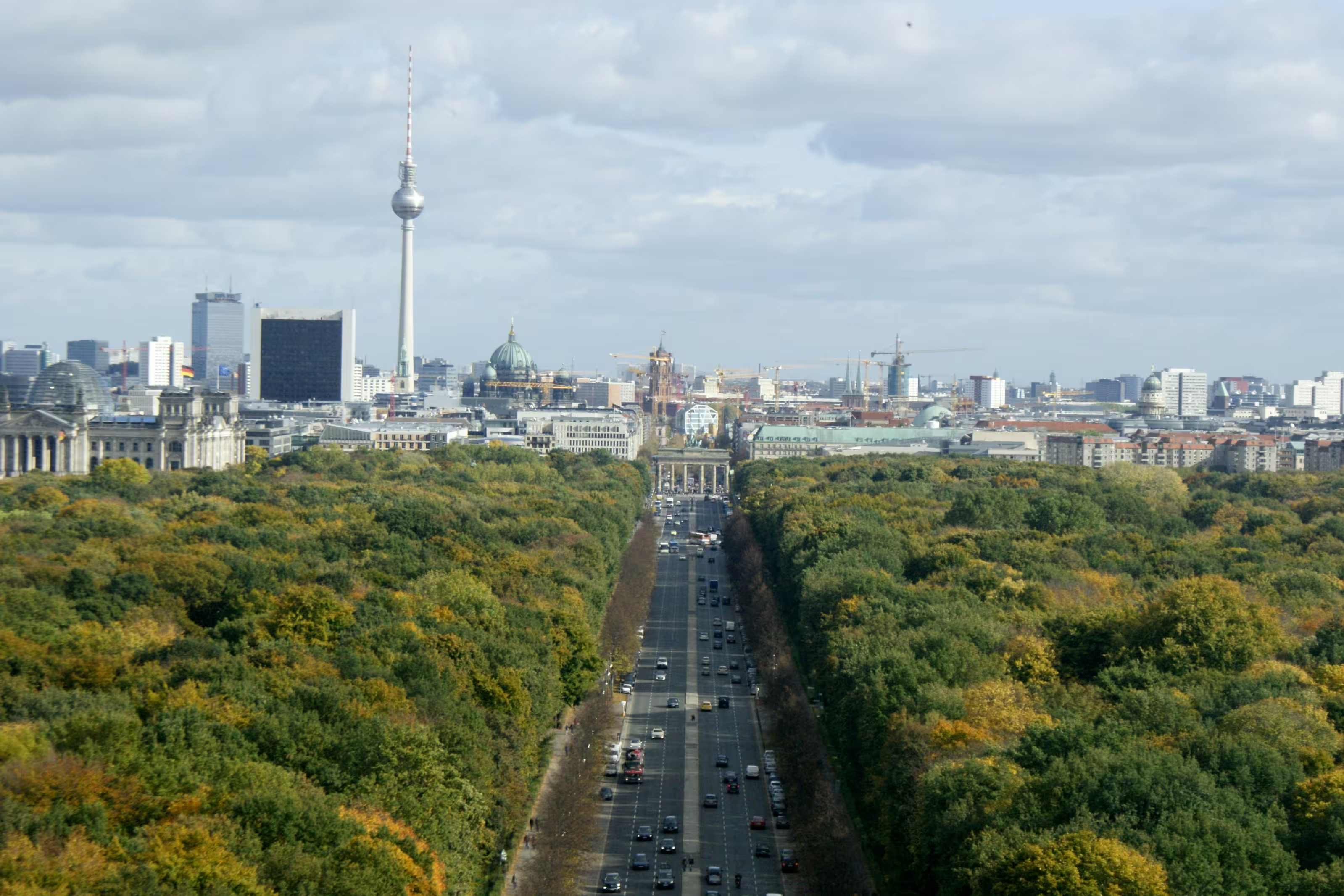
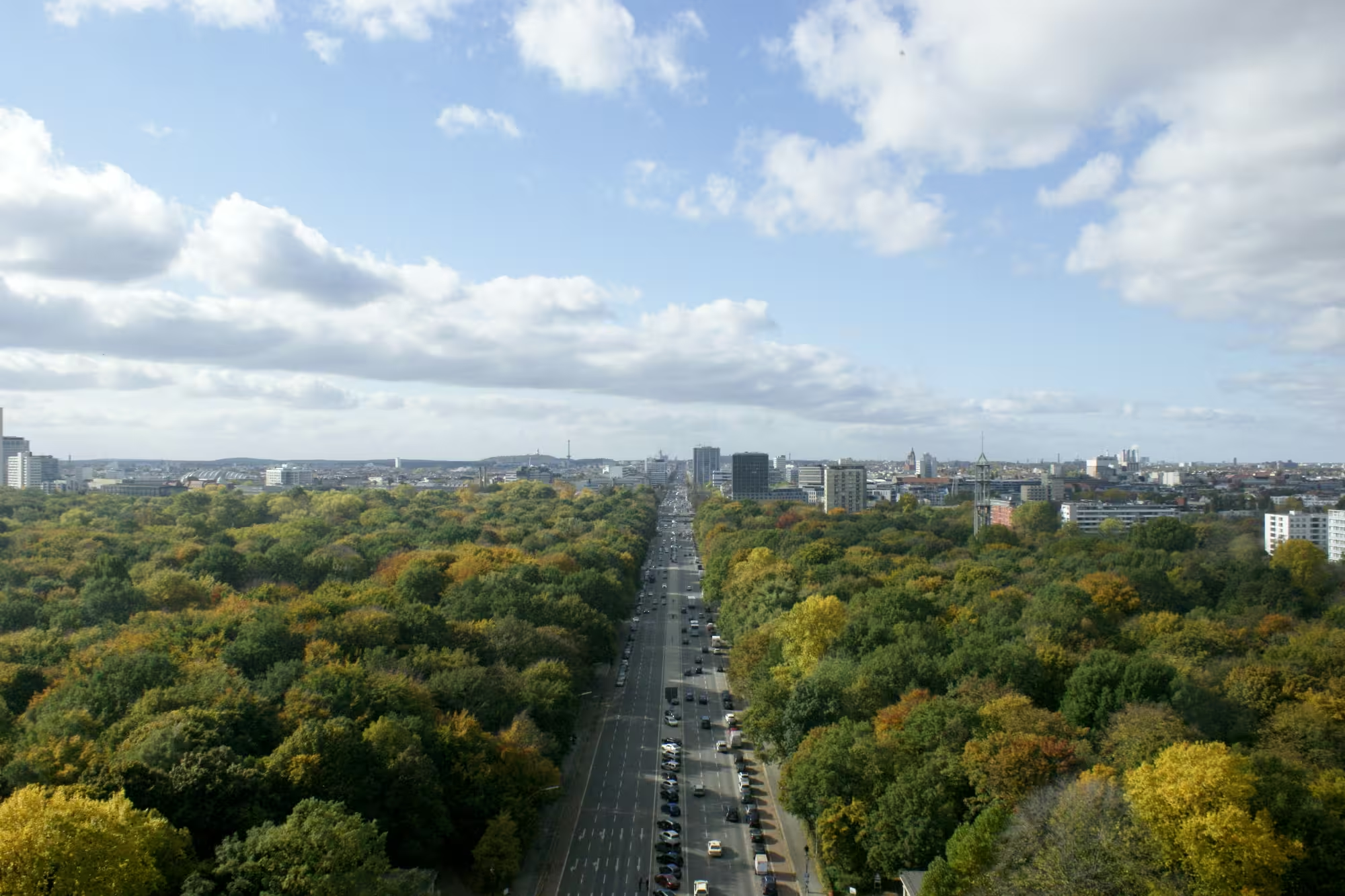
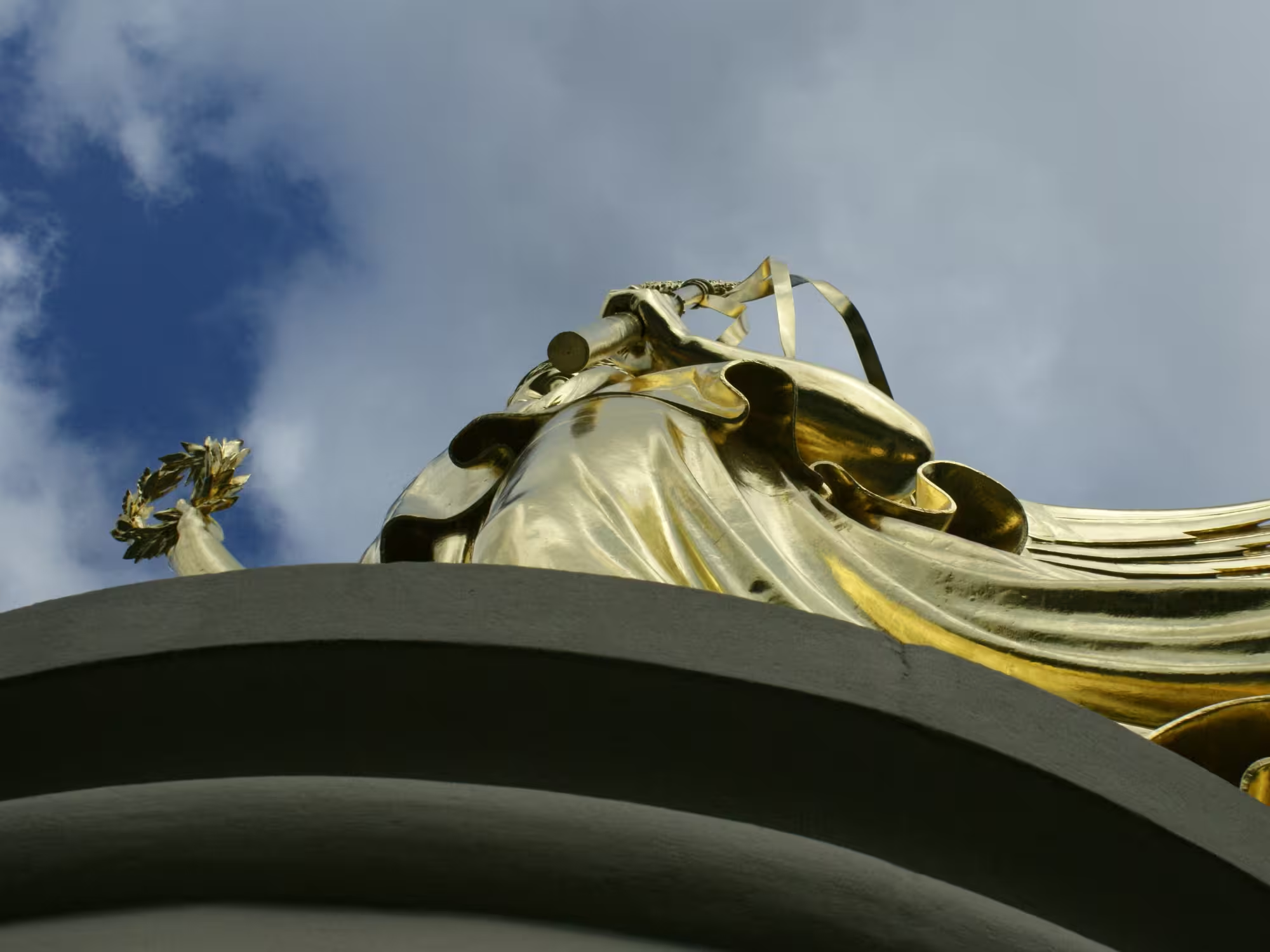
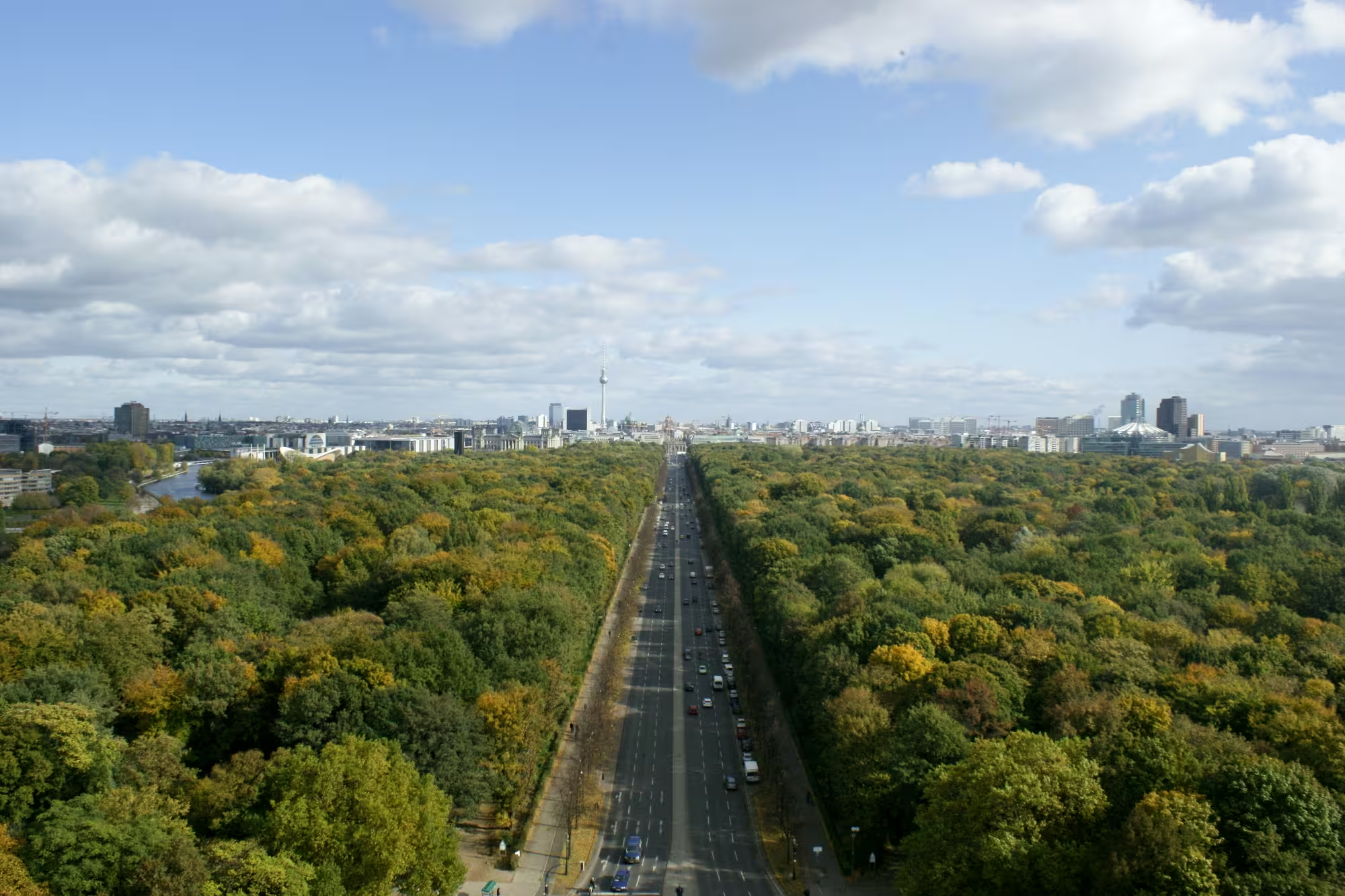
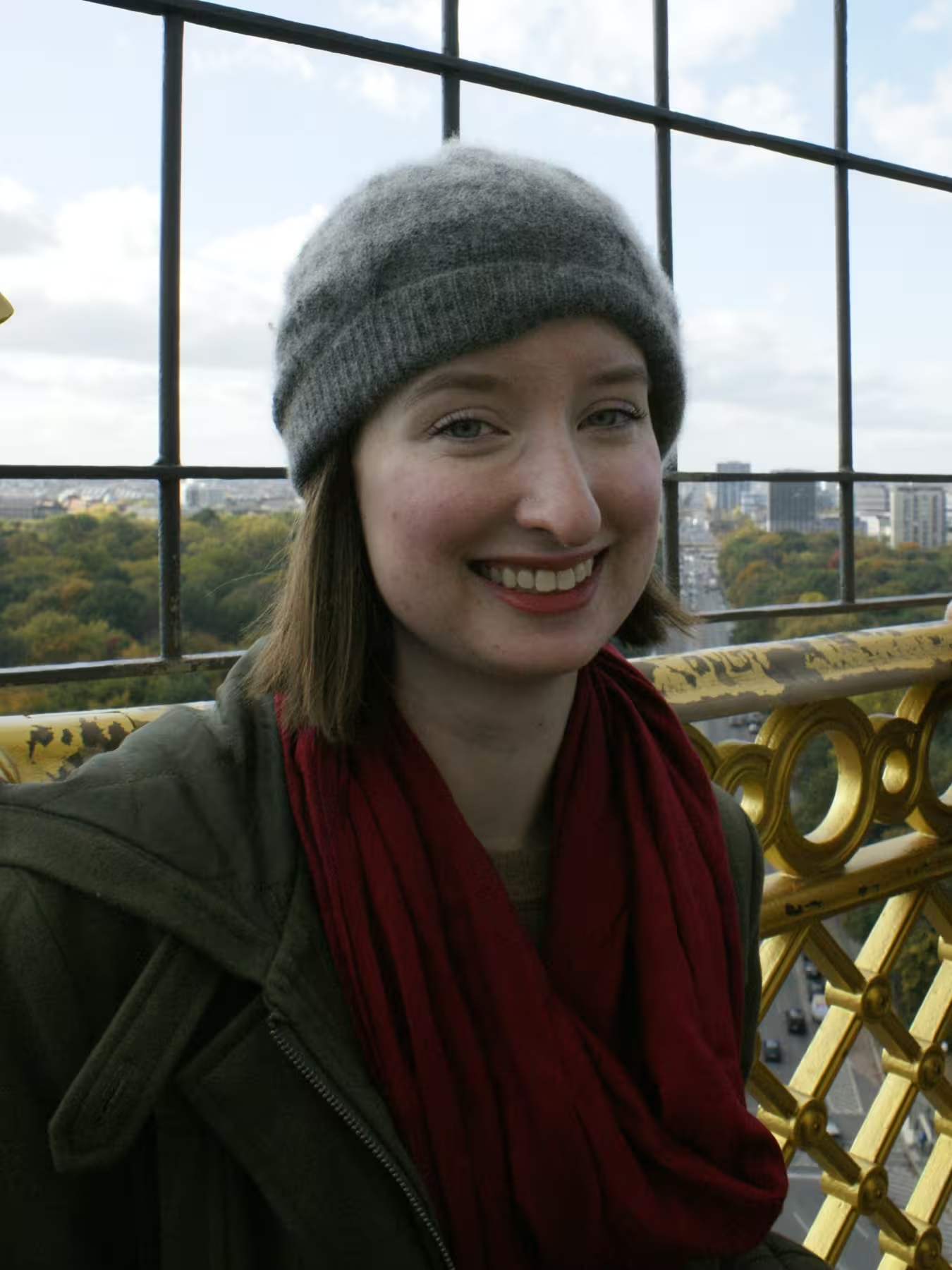
    I climbed to the top of the Berlin Siegessäule (Victory Monument) with my new friend Annette. The monument was originally built to commemorate the Danish-Prussian War, but by the time it was erected in 1873, it was also used to commemorate the Austro-Prussian and Franco-Prussian wars. It was smaller and located closer to the German parliament, but the Nazi’s moved it further away and lengthened it by 7.5 m in 1939. The French wanted to dynamite the monument in 1945, but thankfully they were prevented from doing that and we were still able to enjoy the (windy) view of Berlin from the top.

    Berlin moniment

    Berlin moniment

    Berlin moniment

    Berlin moniment

    Berlin moniment

    Annette

  • Berlin memorials

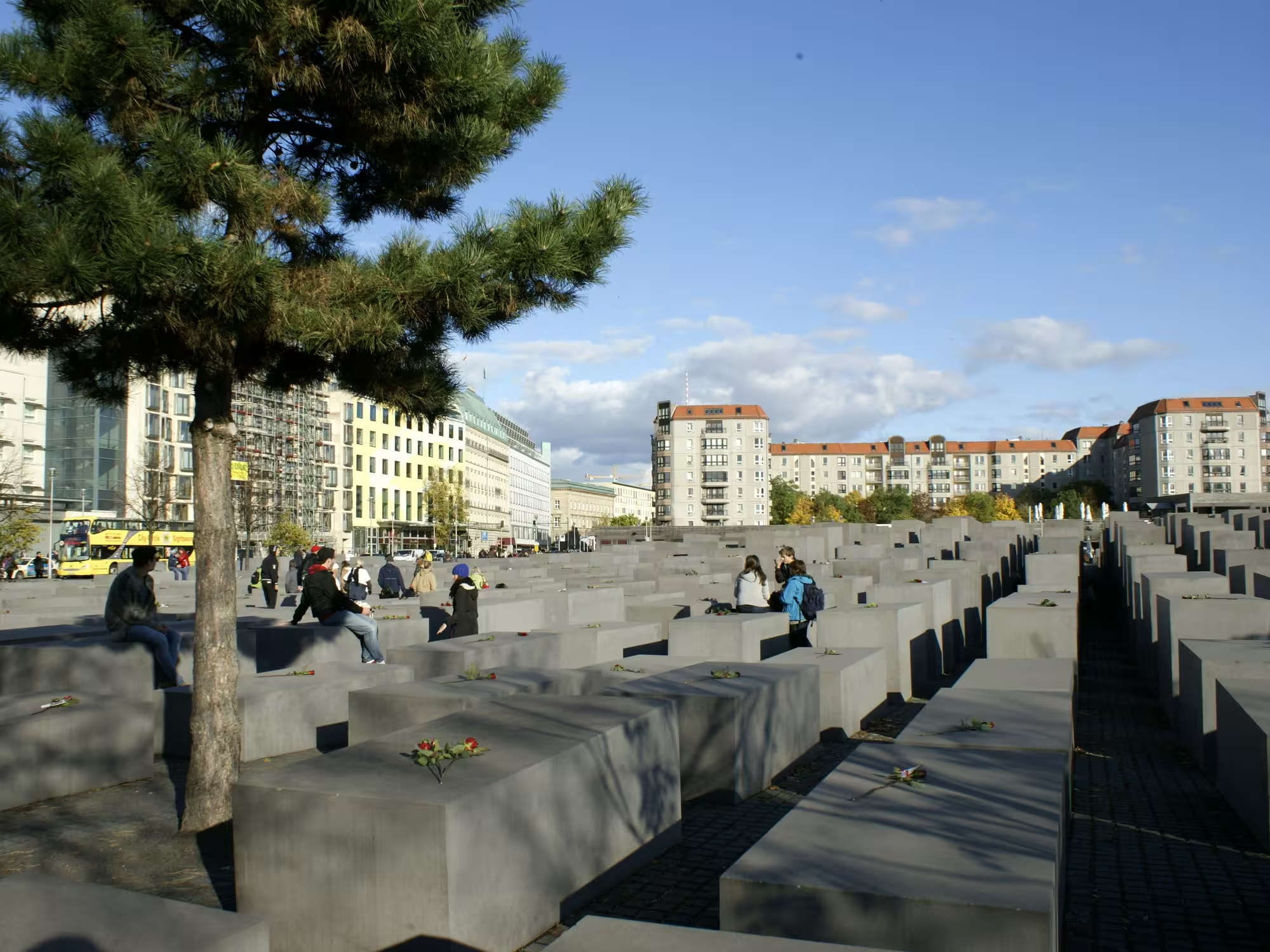
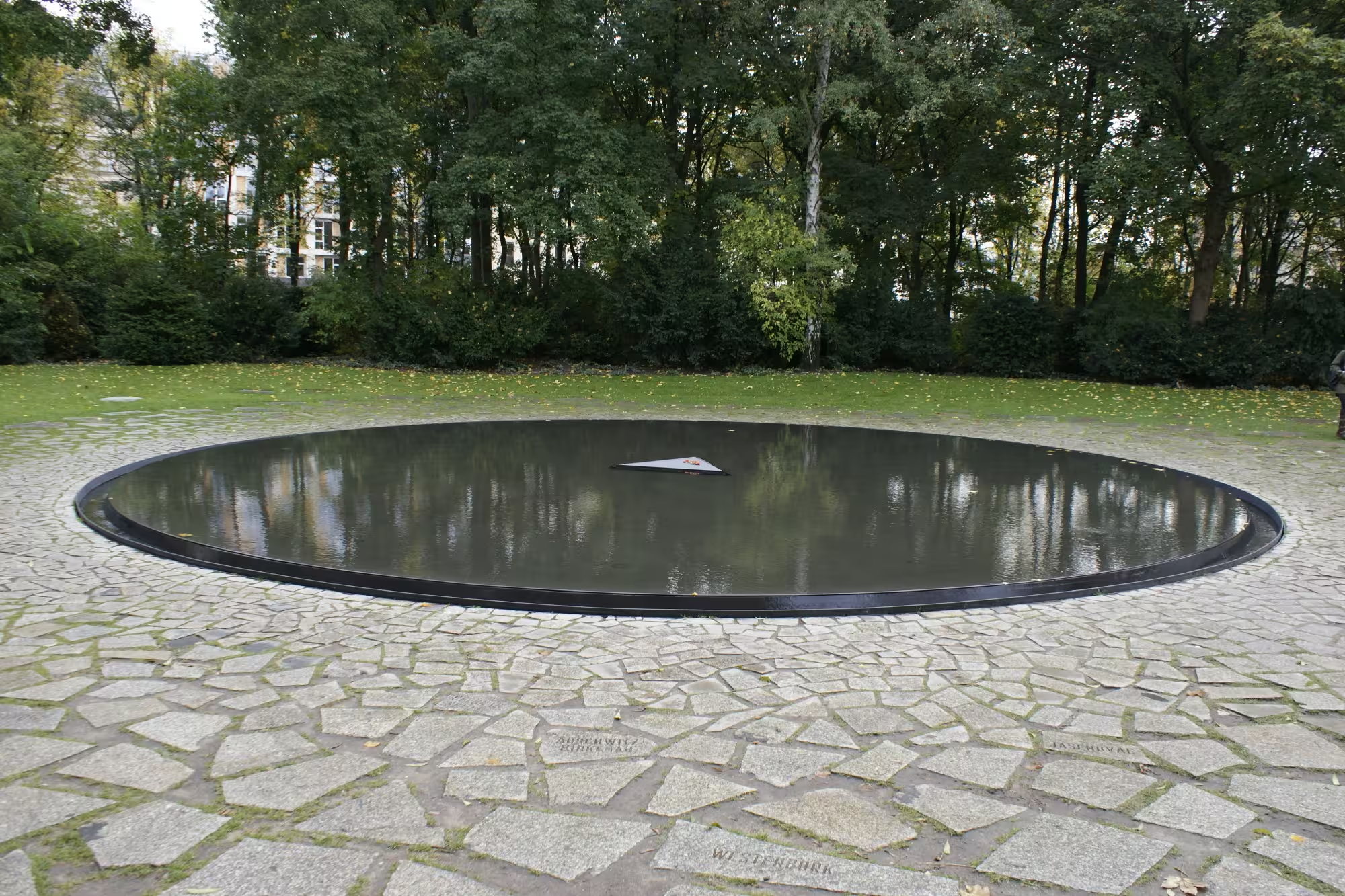
    I visited the “Memorial to the Murdered Jews of Europe” in Berlin, a collection of huge concrete slabs. Not far from there is the “Sinti and Roma memorials”, containing a peaceful garden and a small pond.

    Jewish memorial

    View of Reichstag from Roma Memorial in Berlin

    Roma Memorial in Berlin

  • Brandenburg gate

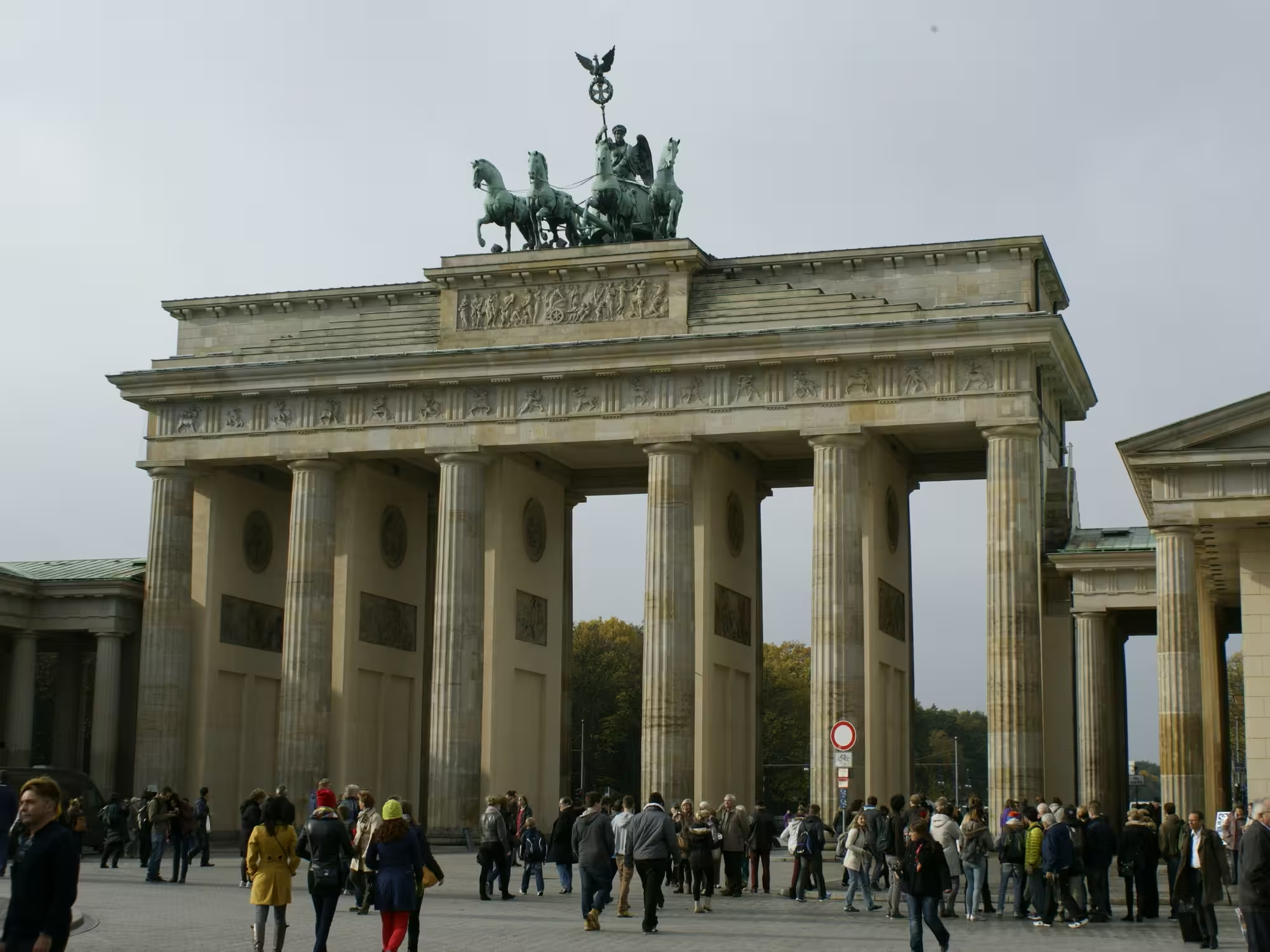
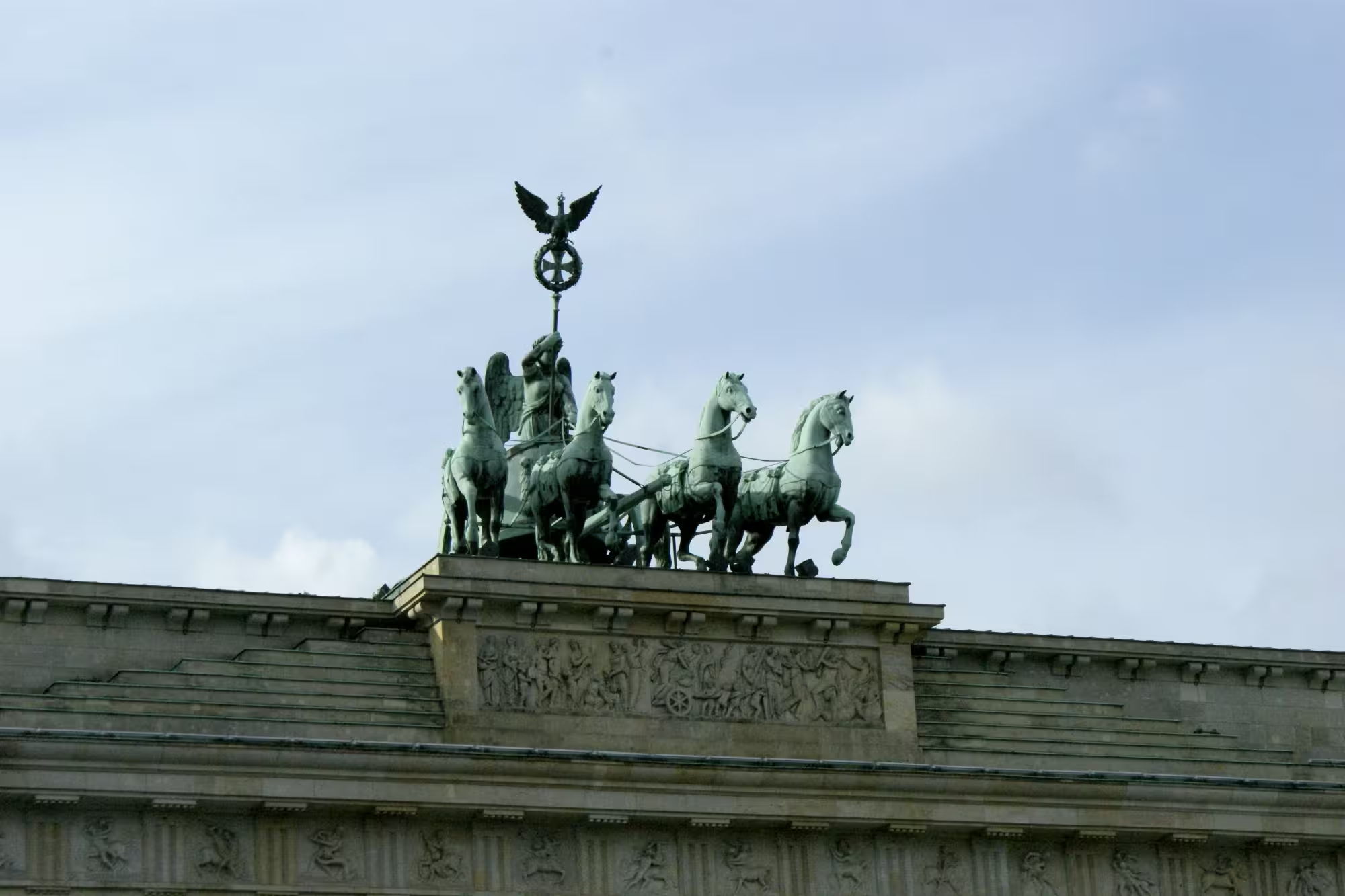
    I visited the Brandenburg gate in Berlin. This is a huge concrete monolith built in 1791. It is has been used for political statements by Napoleon and Hitler and was made off-limits during much of the communist reign in East Germany to avoid it being used for political purposes. This situation changed after reunification in 1990, and now anyone can wander underneath it’s huge arches.

    Brandenburg gate

    Brandenburg gate

  • Berlin wall

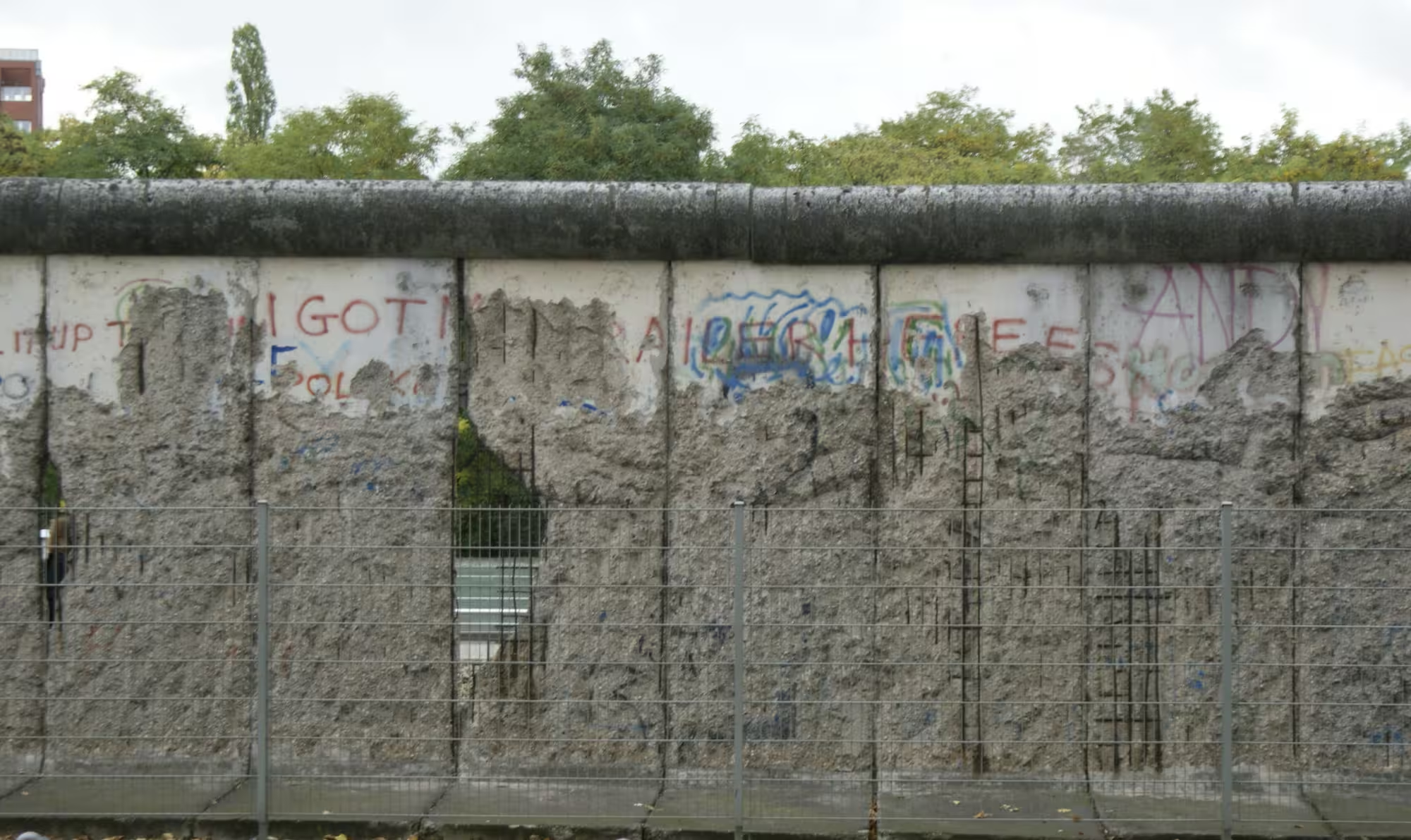
    The history of the Berlin wall is fascinating. The wall itself … not so much. It’s just a concrete/wire mesh fence really. Not much to see.
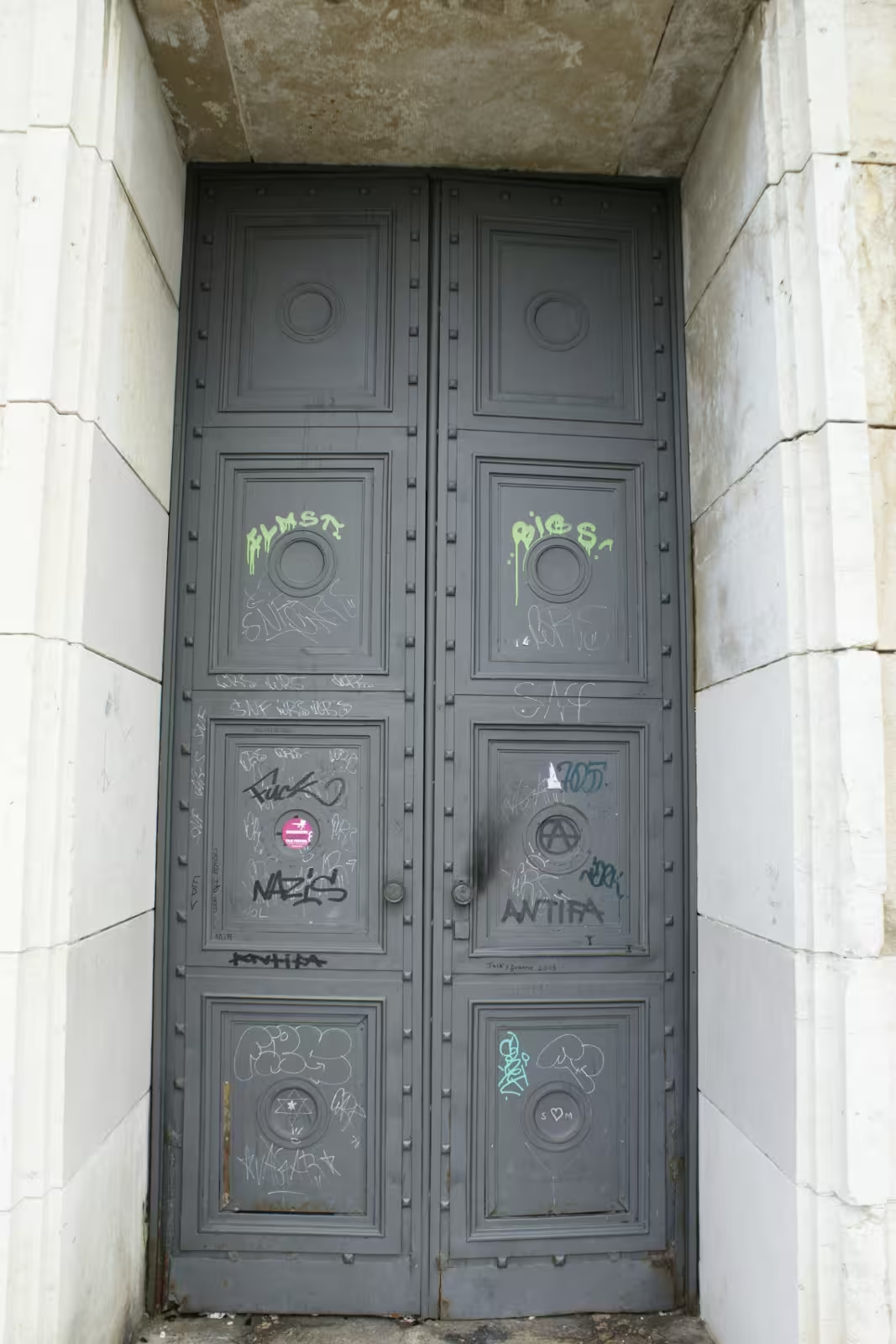
    What has surprised me the most about the Berlin wall, is how many people I know who don’t know anything about it. They know that it existed, but not why or how it came to be. If you are in that camp, then I recommend doing some reading up on the subject. I’m not going to attempt to explain it here myself, as there are others who are far more knowledgeable about such things than I and can explain it much better.

    Berlin wall line

    Berlin wall

  • Nazi party rally grounds

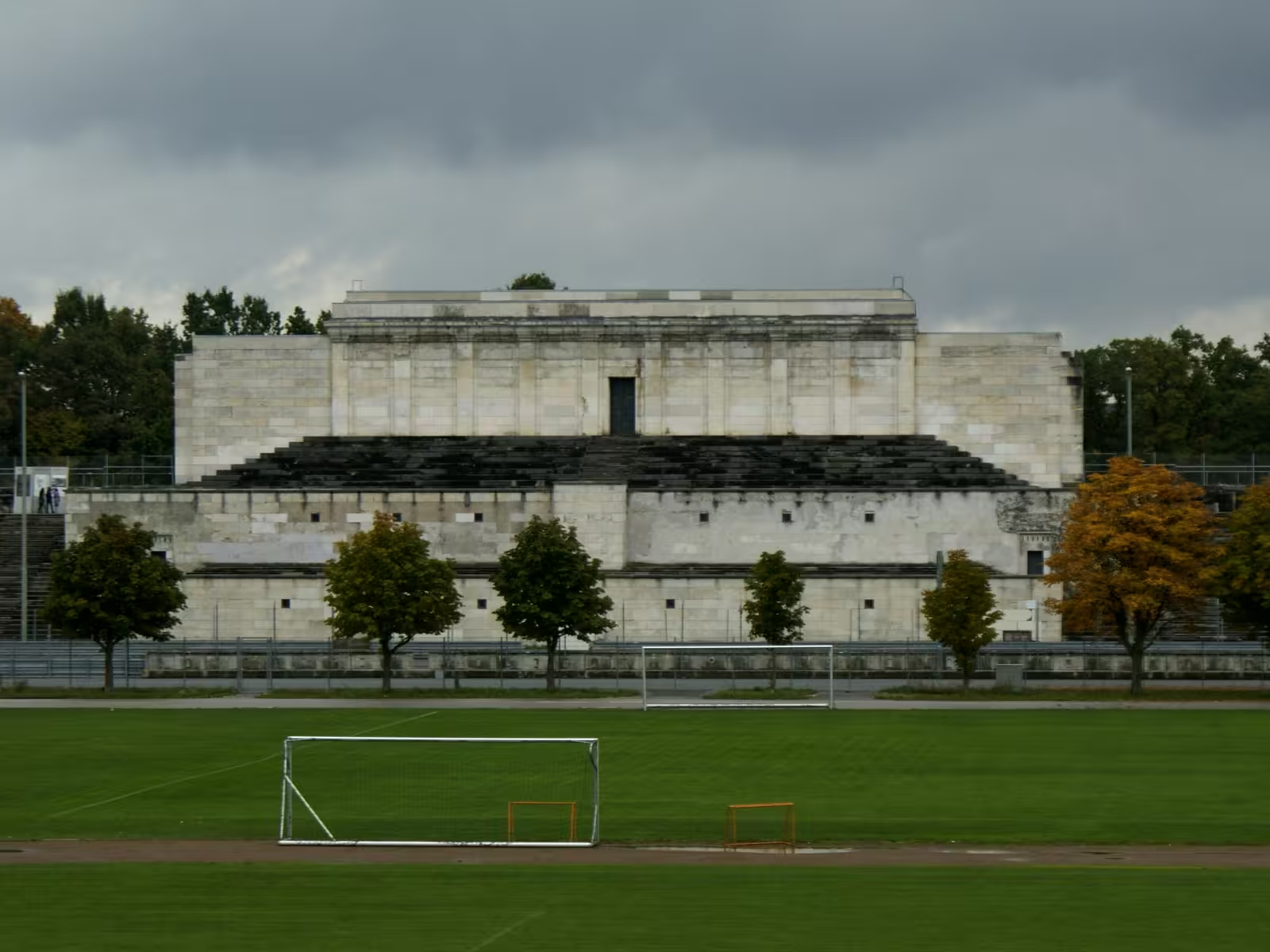
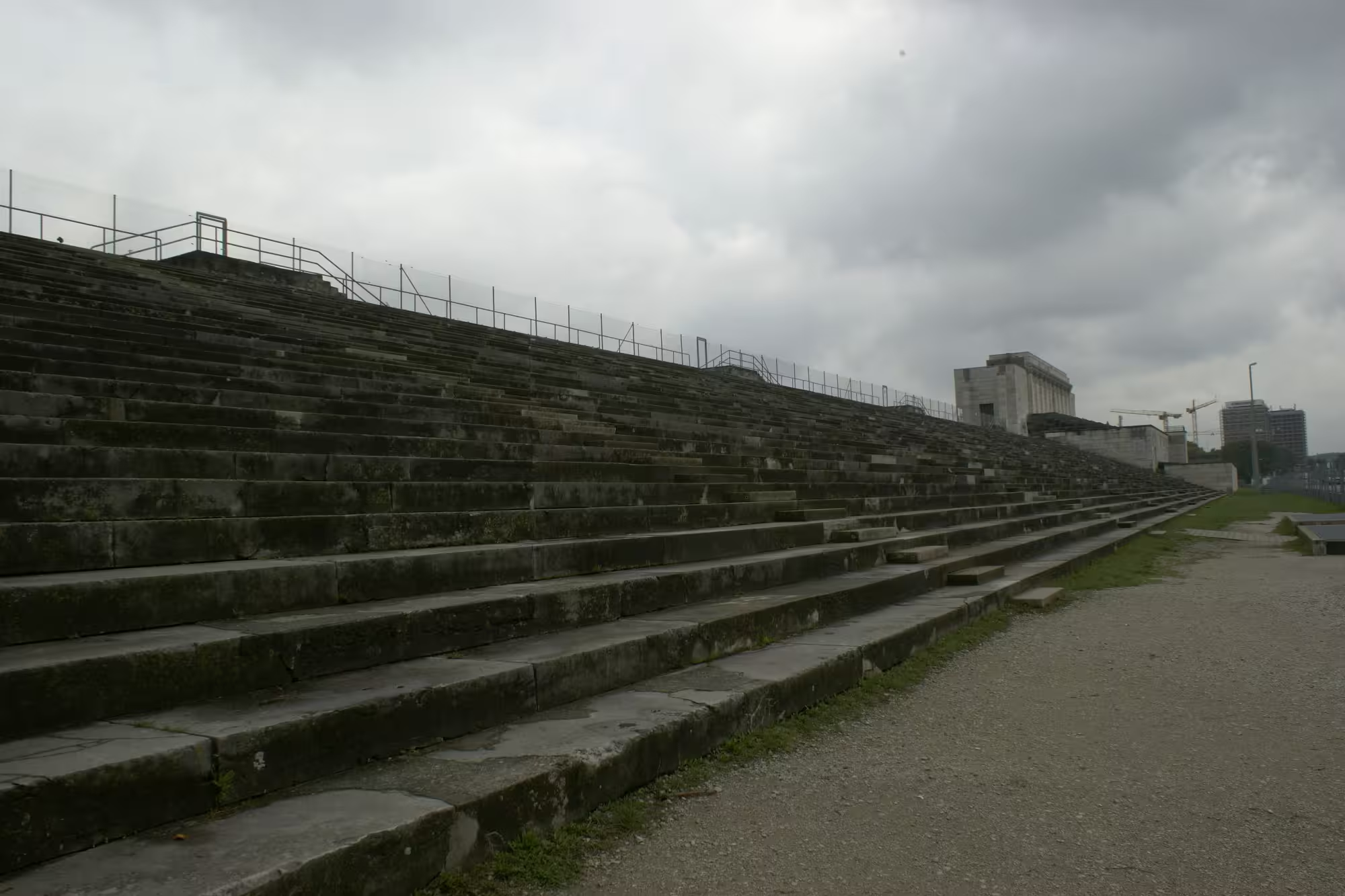
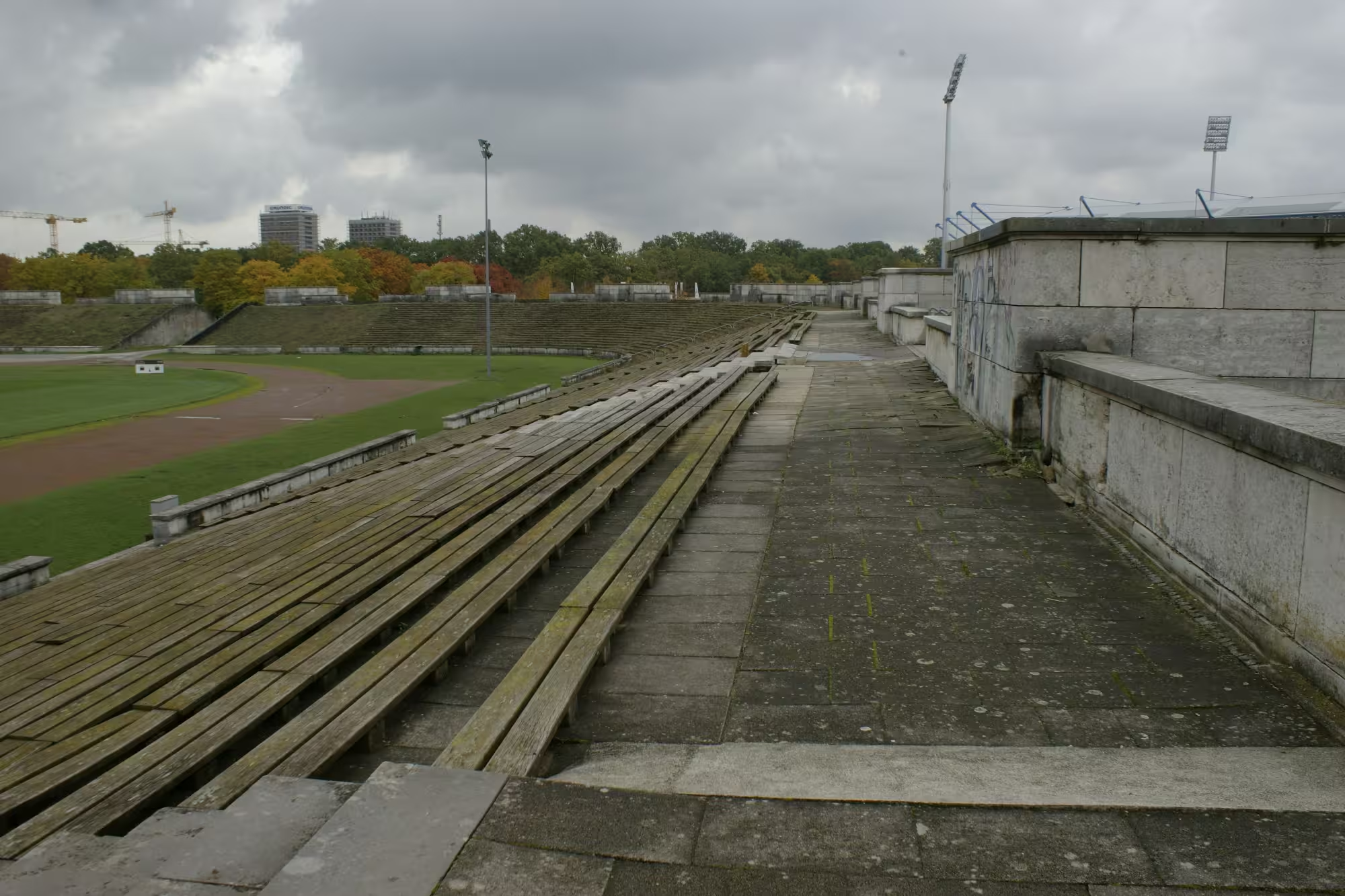
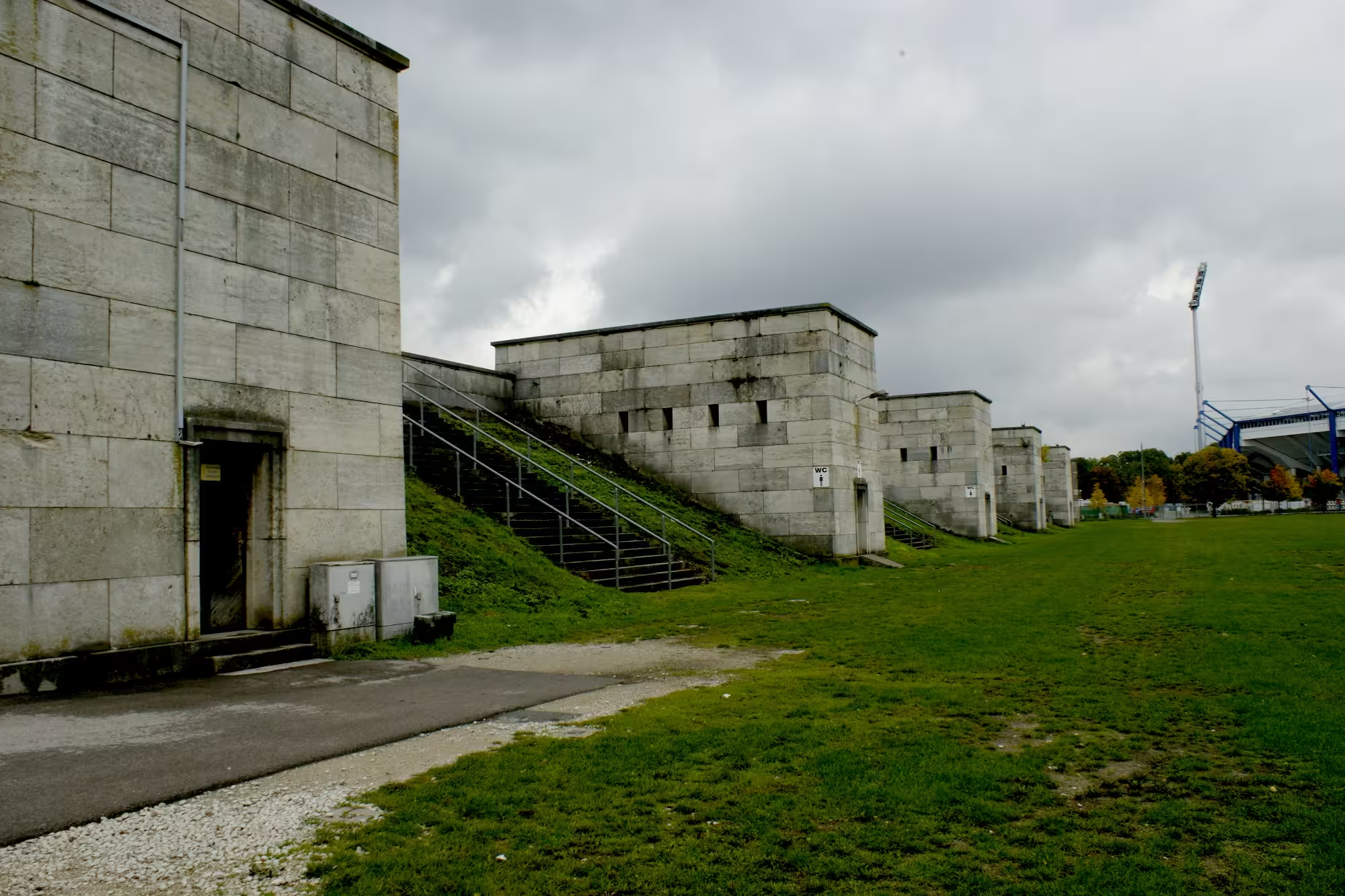
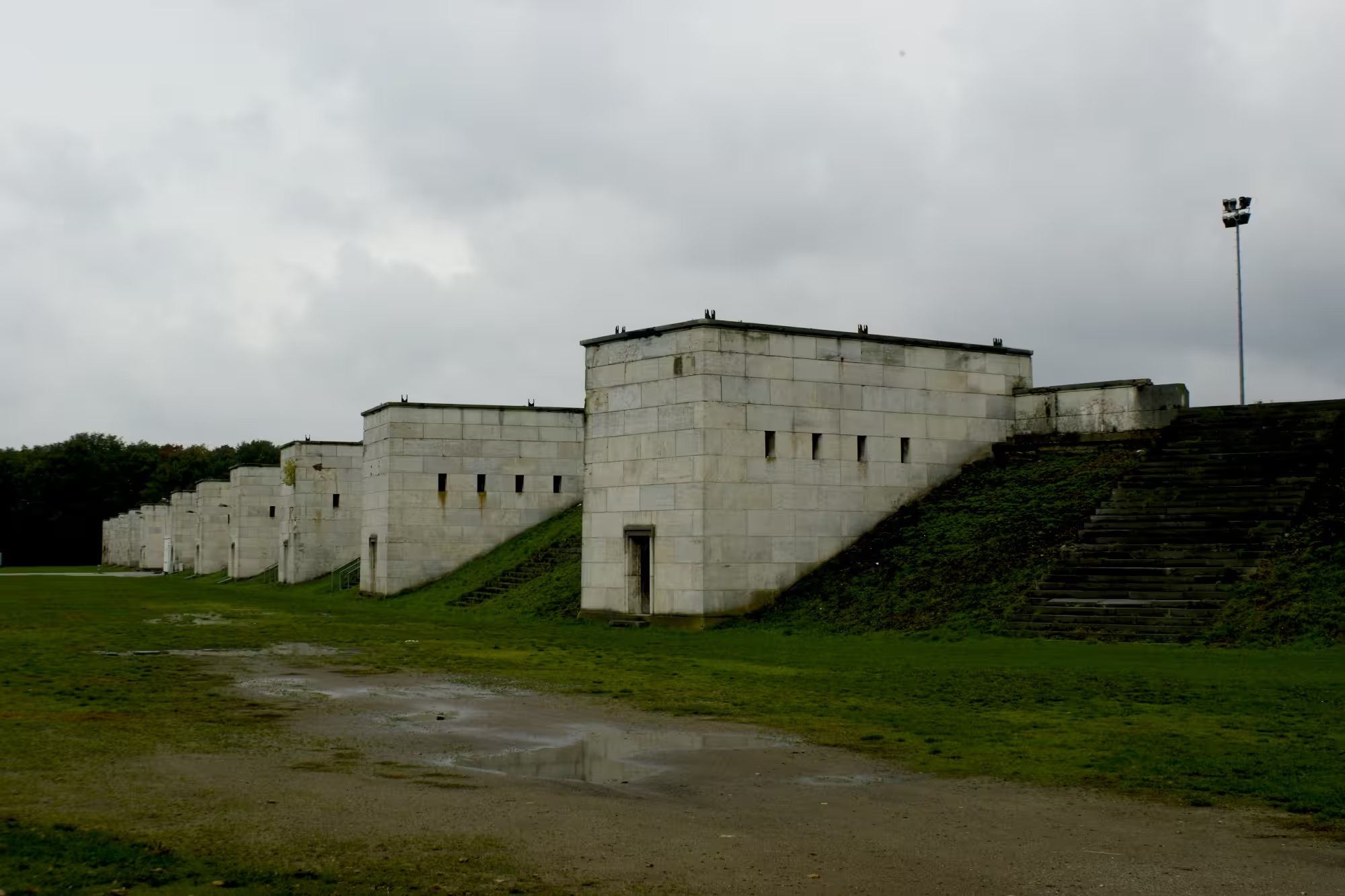
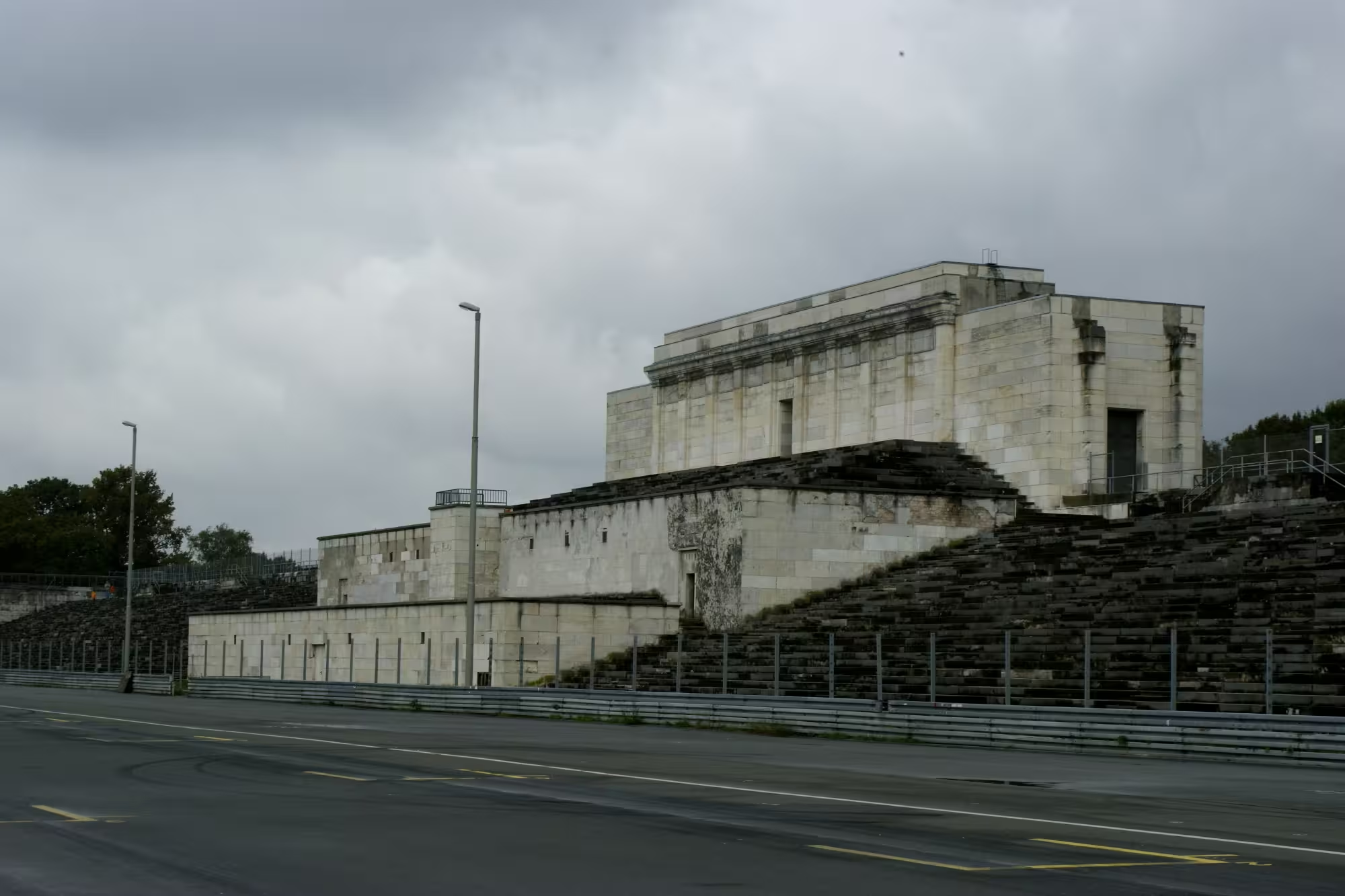
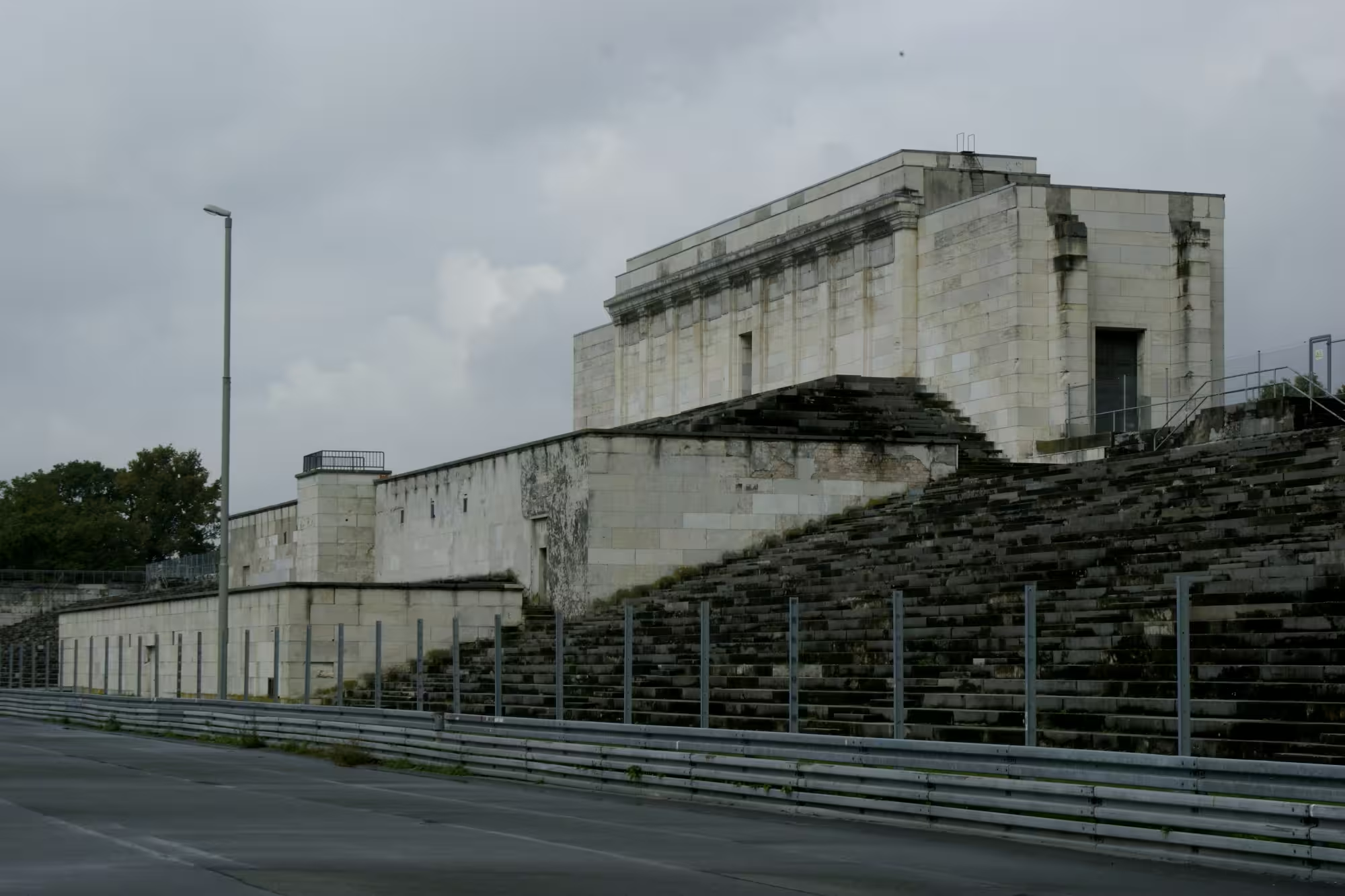
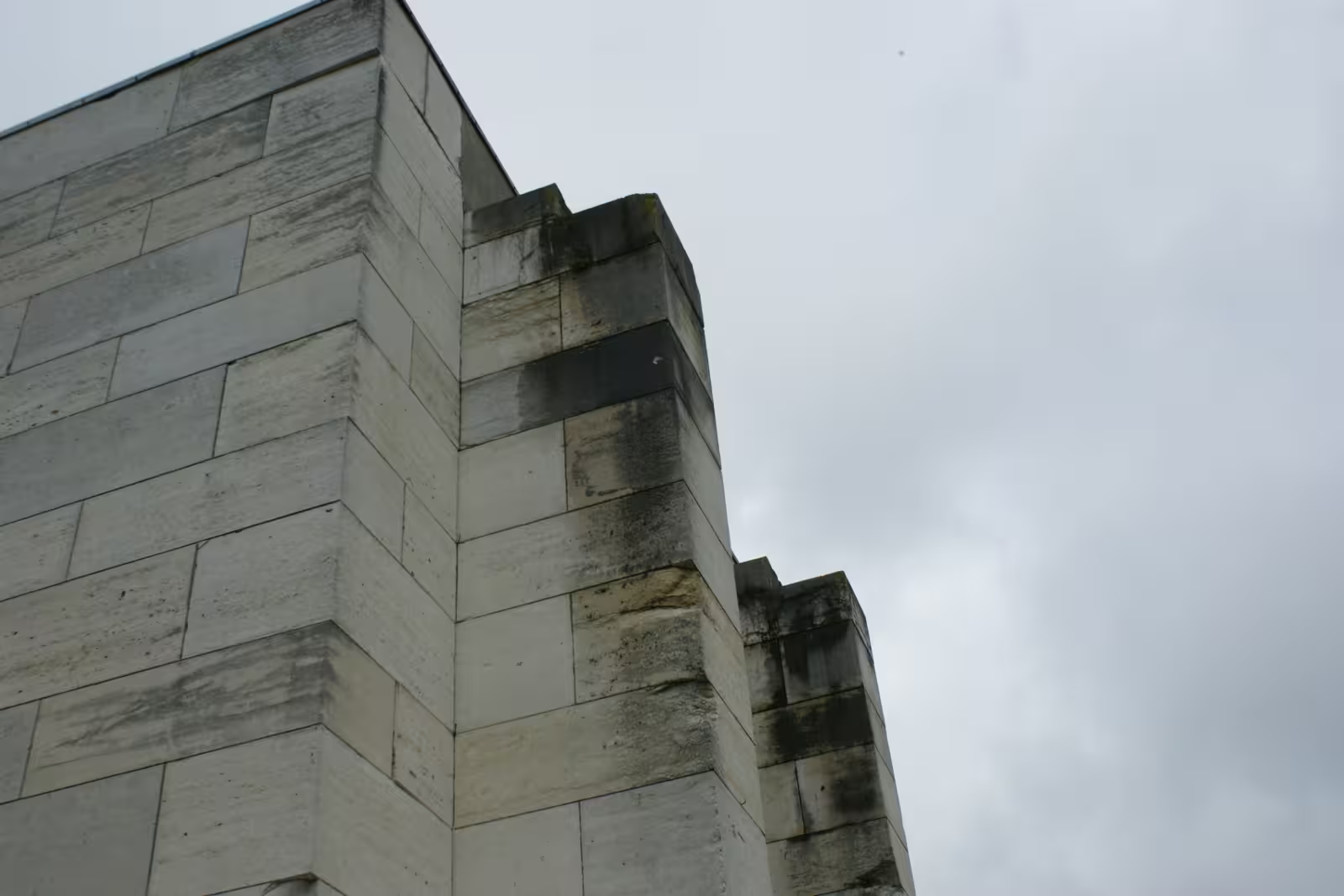
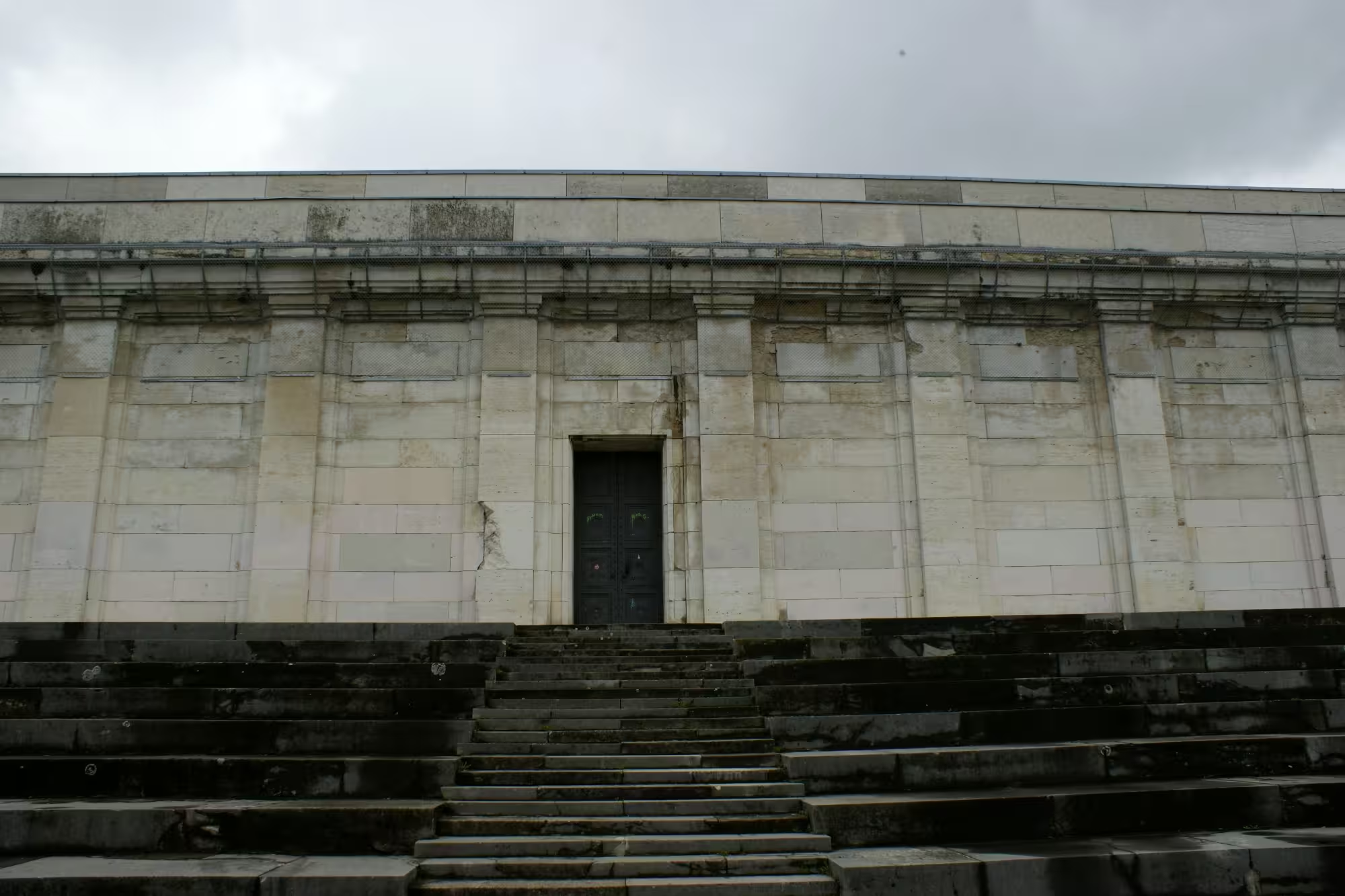
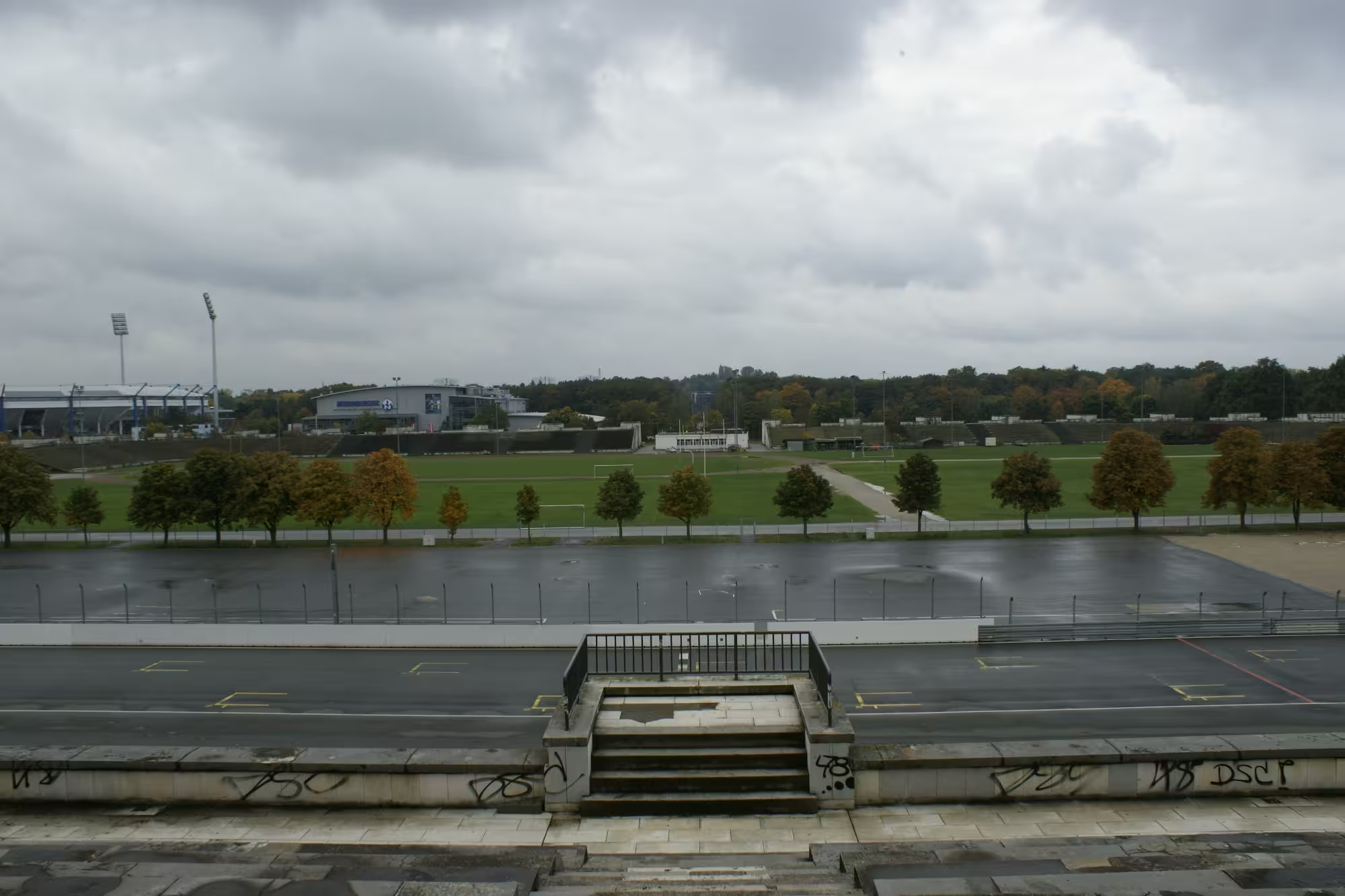
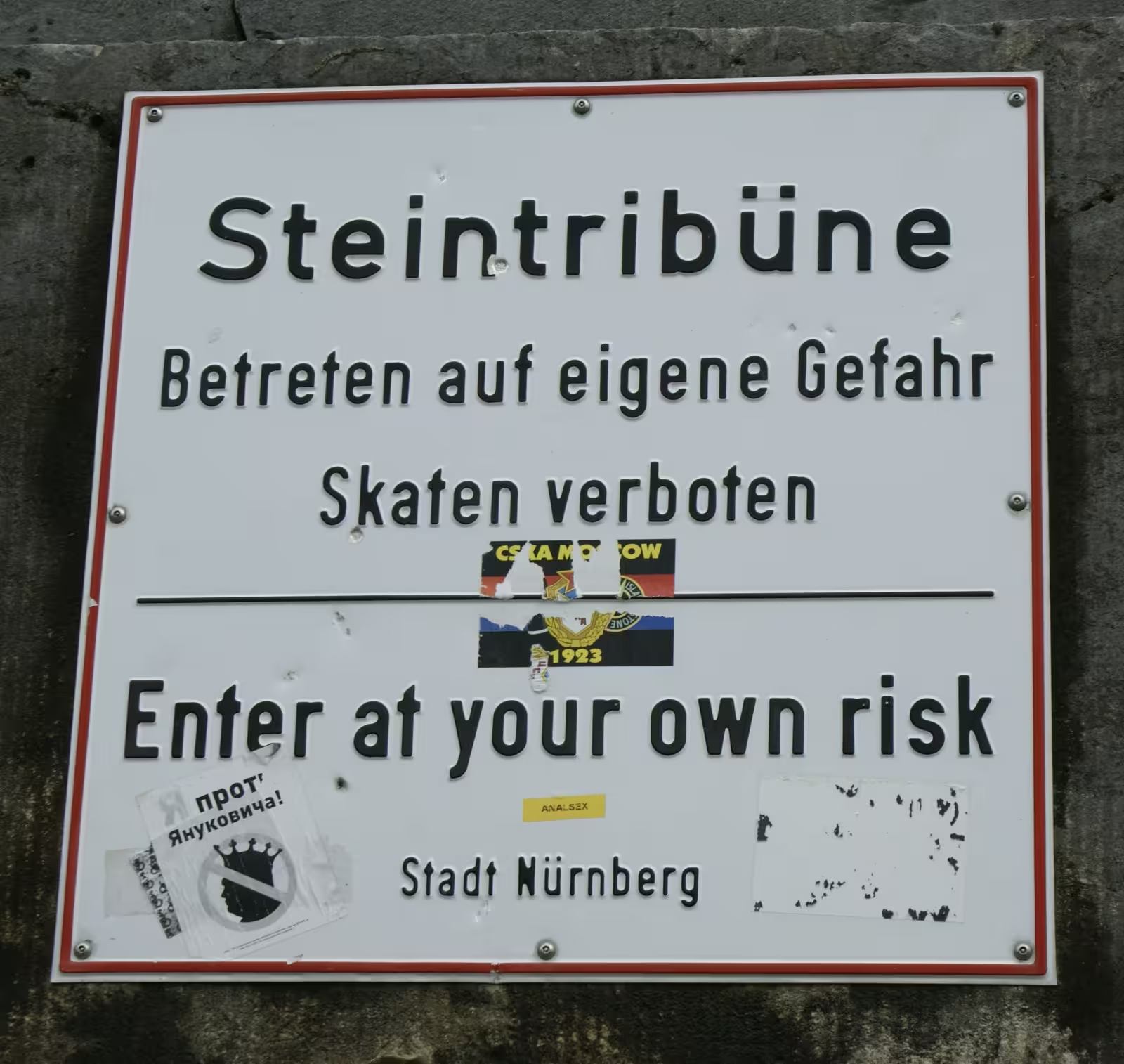
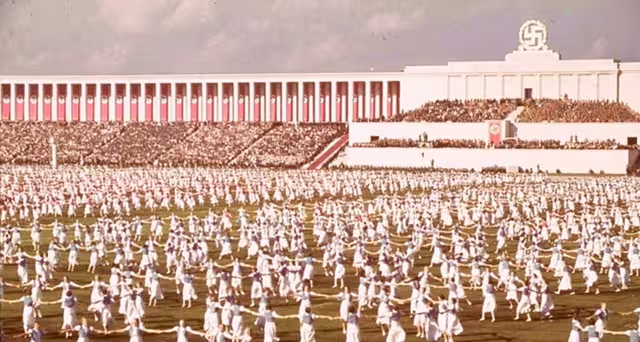
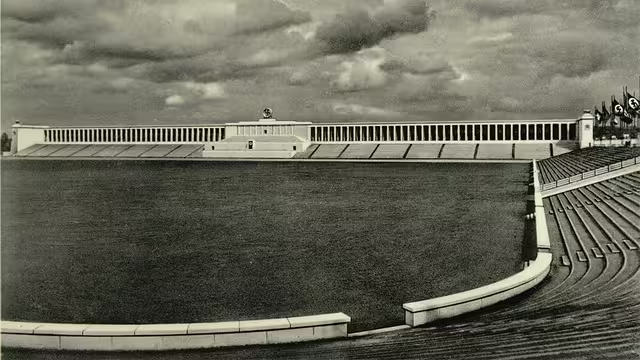
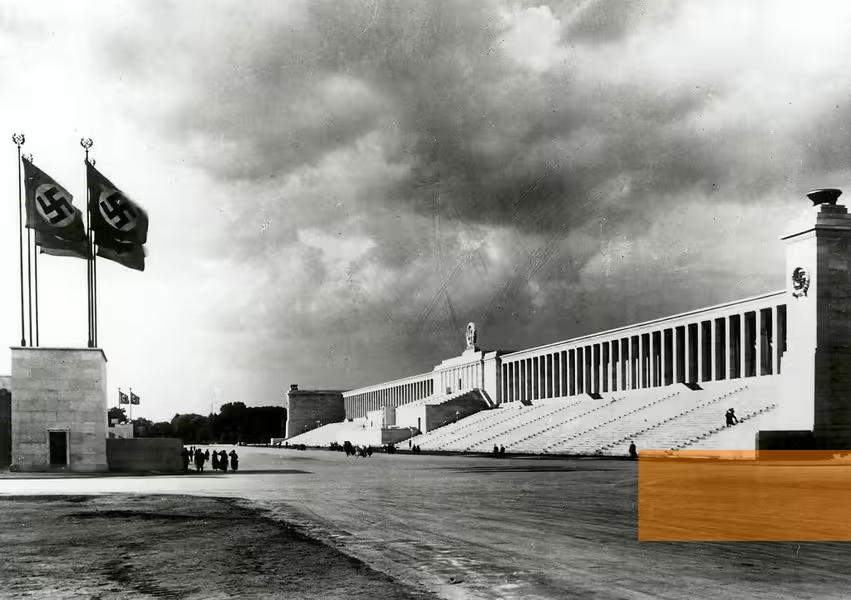
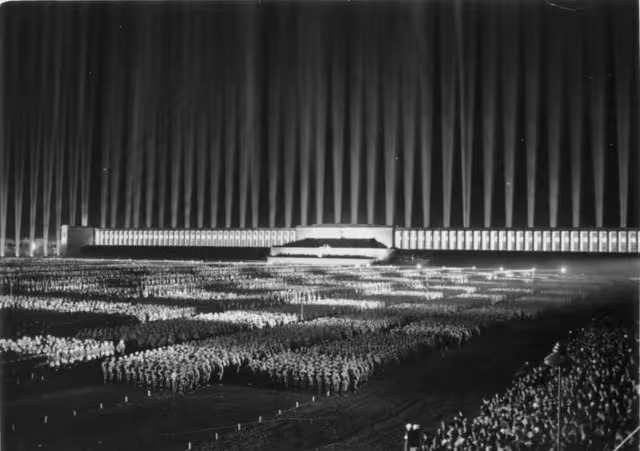
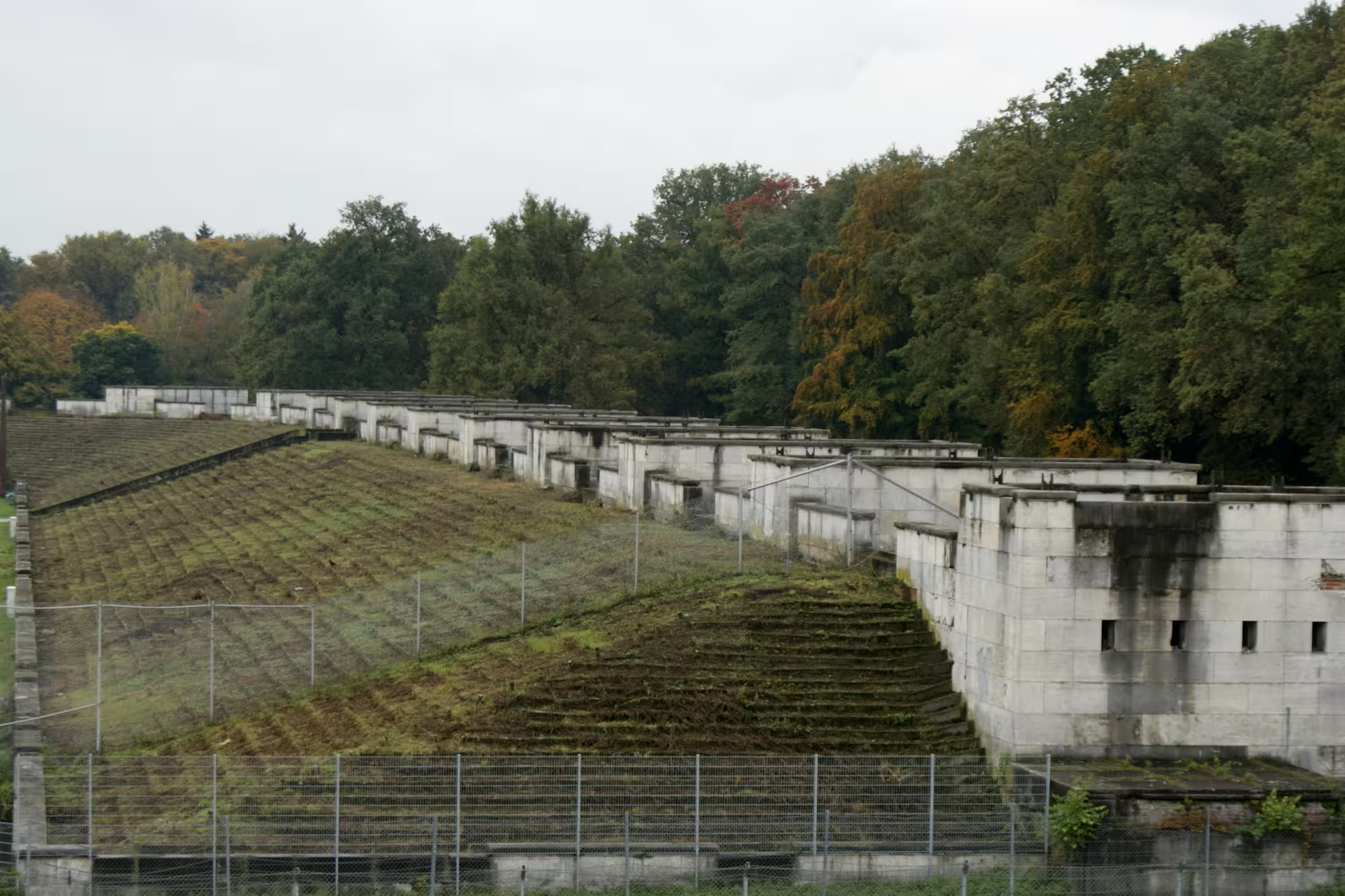
    I visited the Nazi party rally grounds (Reichsparteitagsgelände) in Nürnberg (Nuremberg). This area is where the German Nazi party held their huge party rallies between 1933 and 1938. ~150,000 people could assemble to celebrate the German Nazi party, alongside Adolf Hitler and other prominent national socialists.

    After World War 2, the huge swastikas and eagles were blown off of the top of the main section via explosives. The blast marks are still present.

    Unfortunately, years of decay resulted in a lot of the front facade being removed due to it being considered too hazardous, but the primary section in the middle is still present. It sure is creepy standing up there and looking out at what would have been a sea of fans adoring their Führer.

    Scroll to the bottom to see some photos of what the area looked like during the 1930’s.

    SONY DSC SONY DSCSONY DSC SONY DSC SONY DSC SONY DSC SONY DSC SONY DSC SONY DSC SONY DSC SONY DSC SONY DSC rally-grounds-13

  • Nazi Congress hall

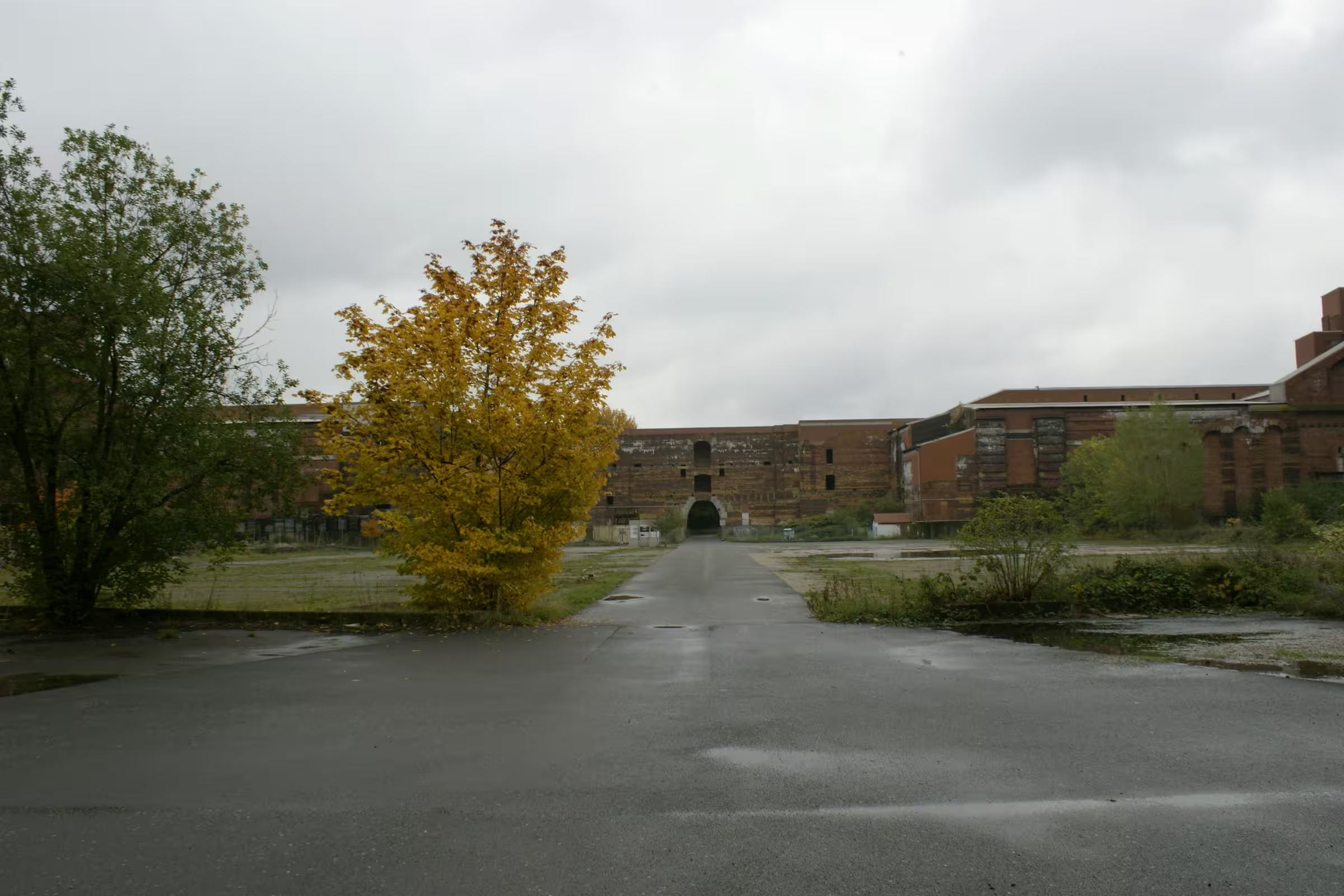
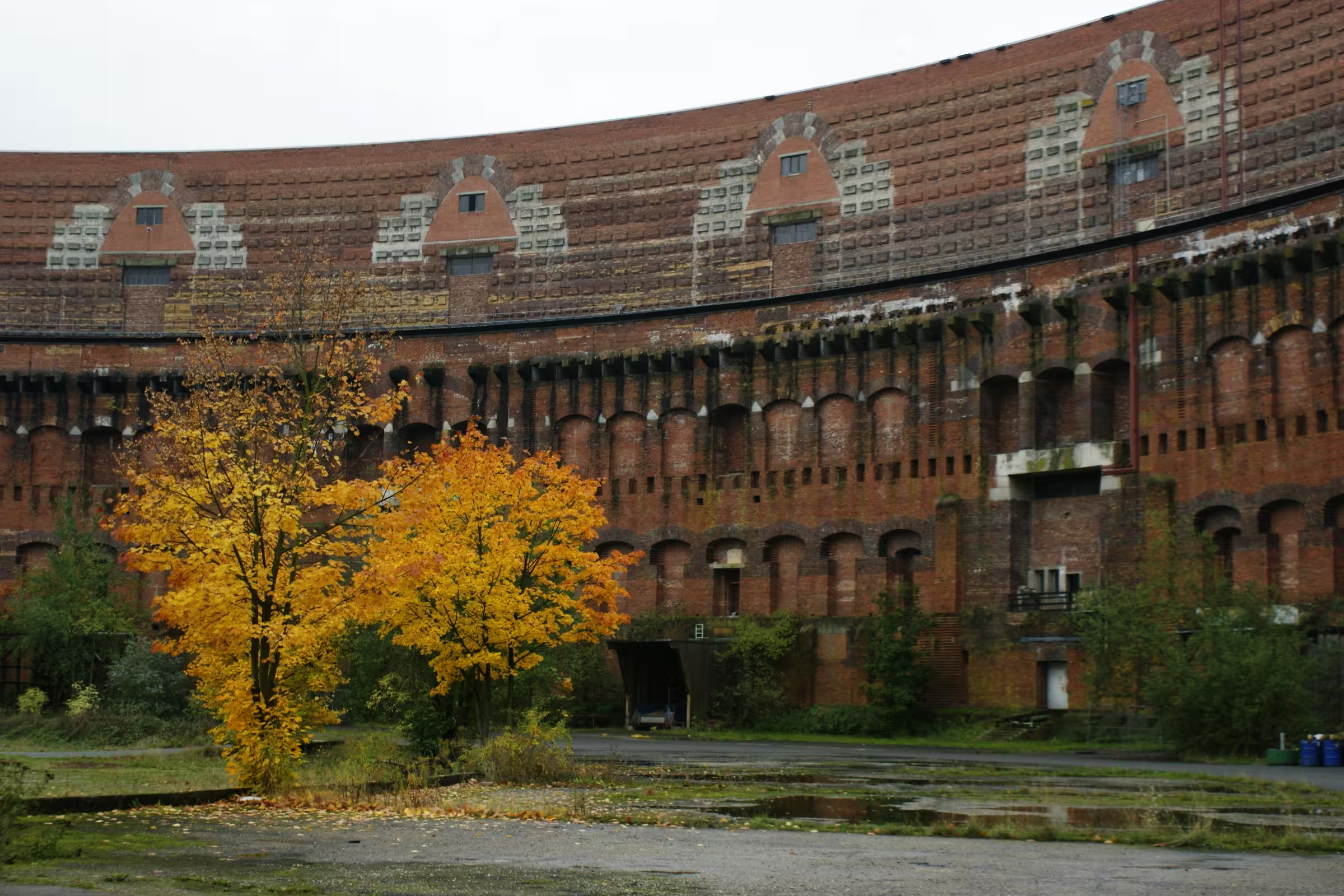
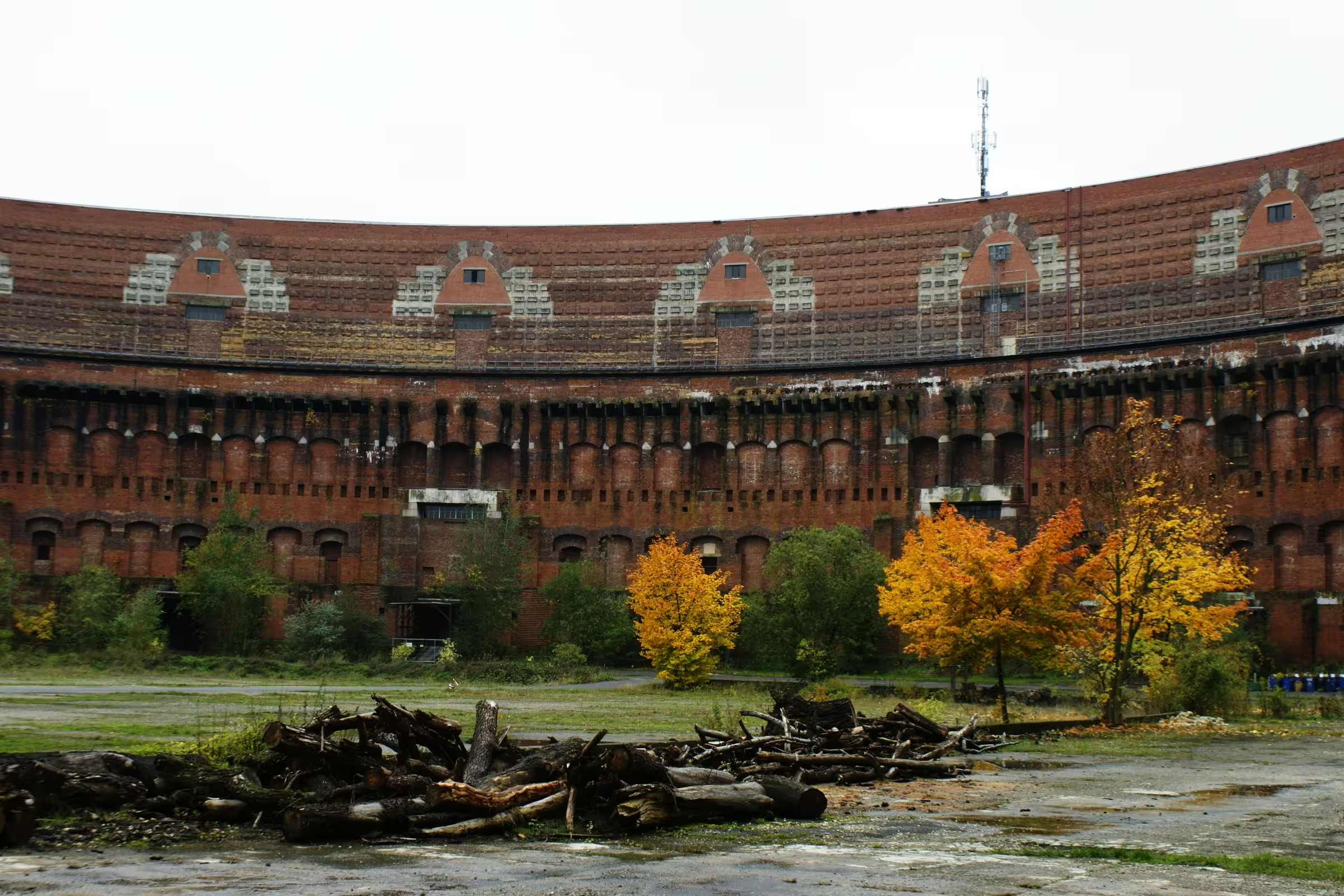
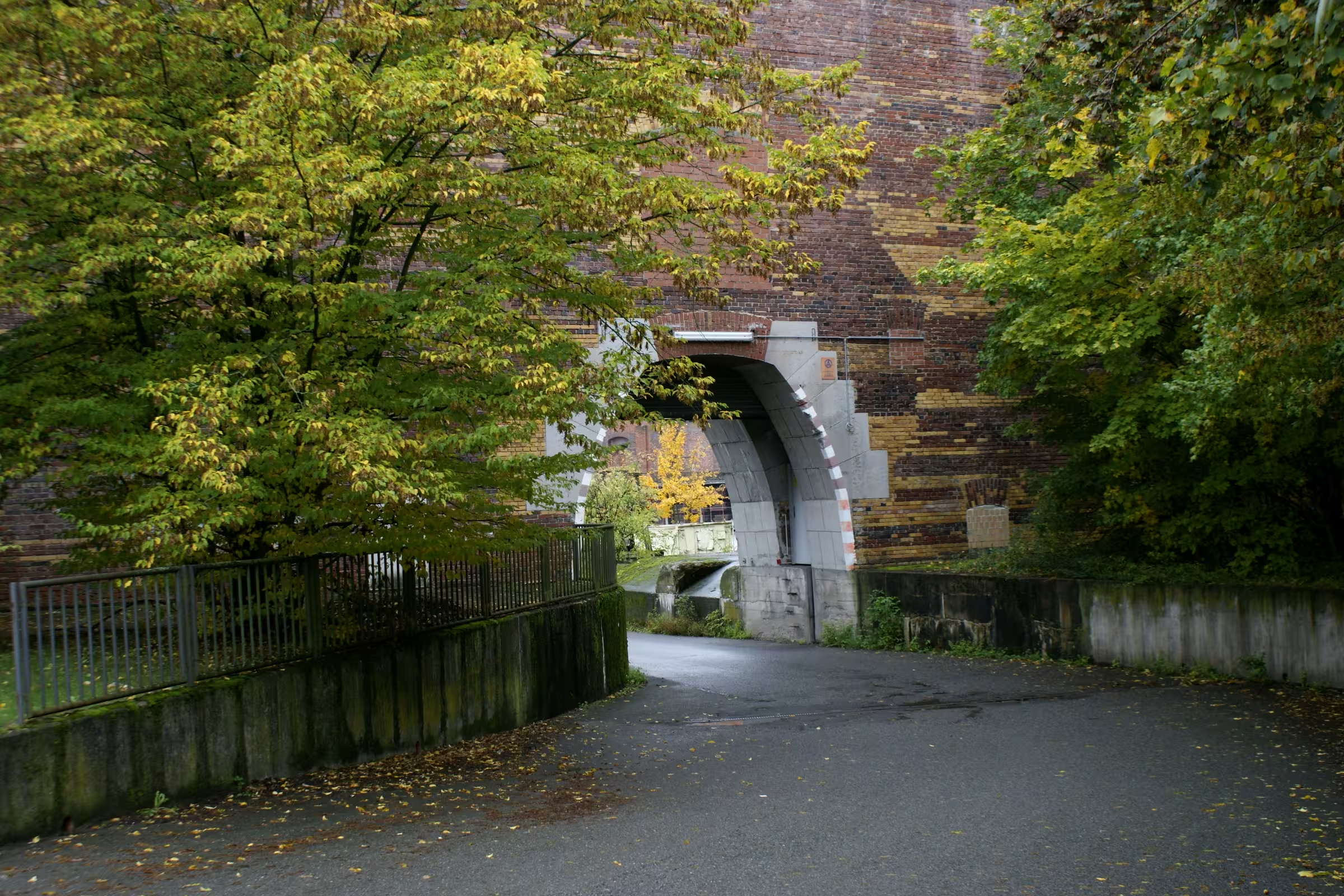
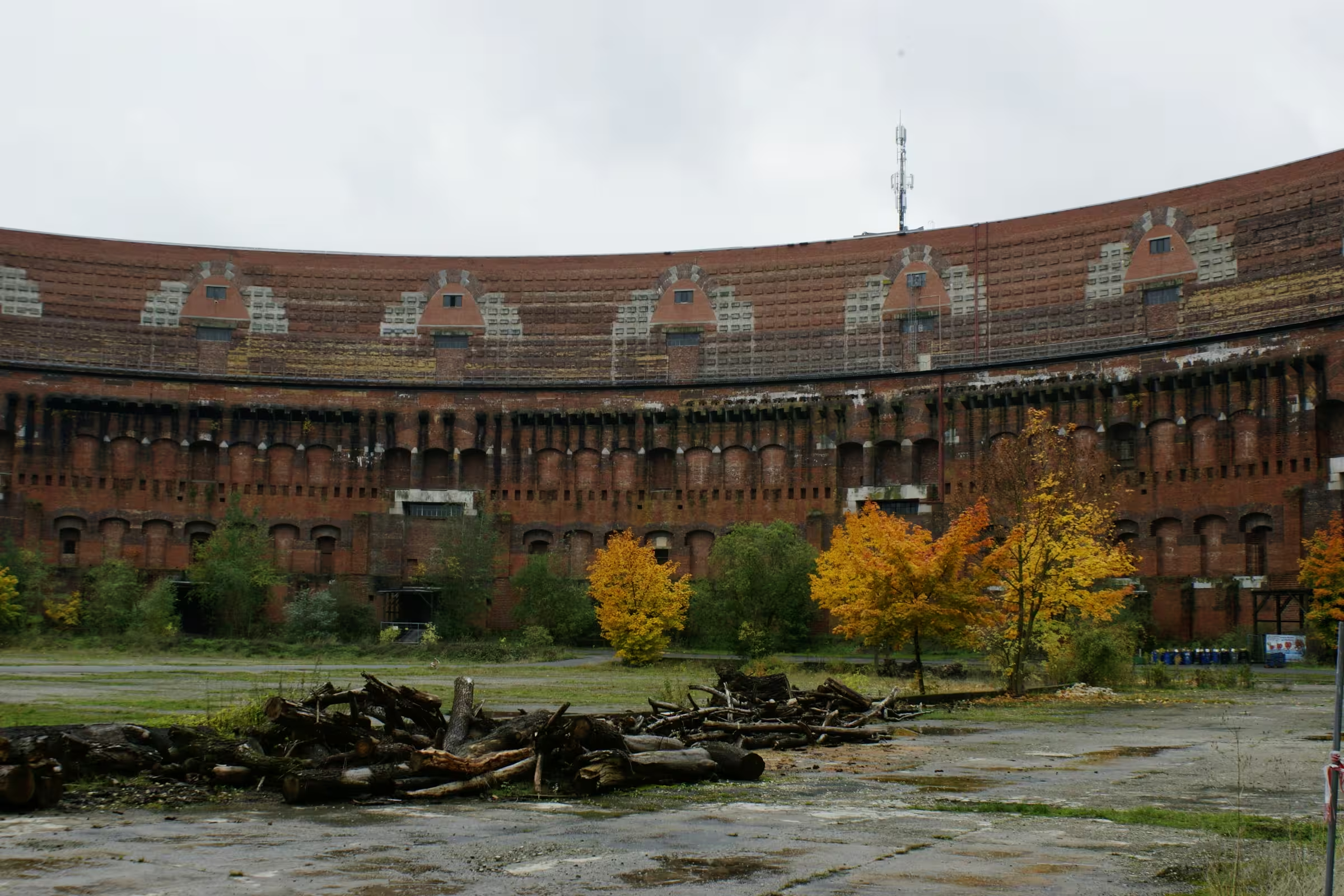
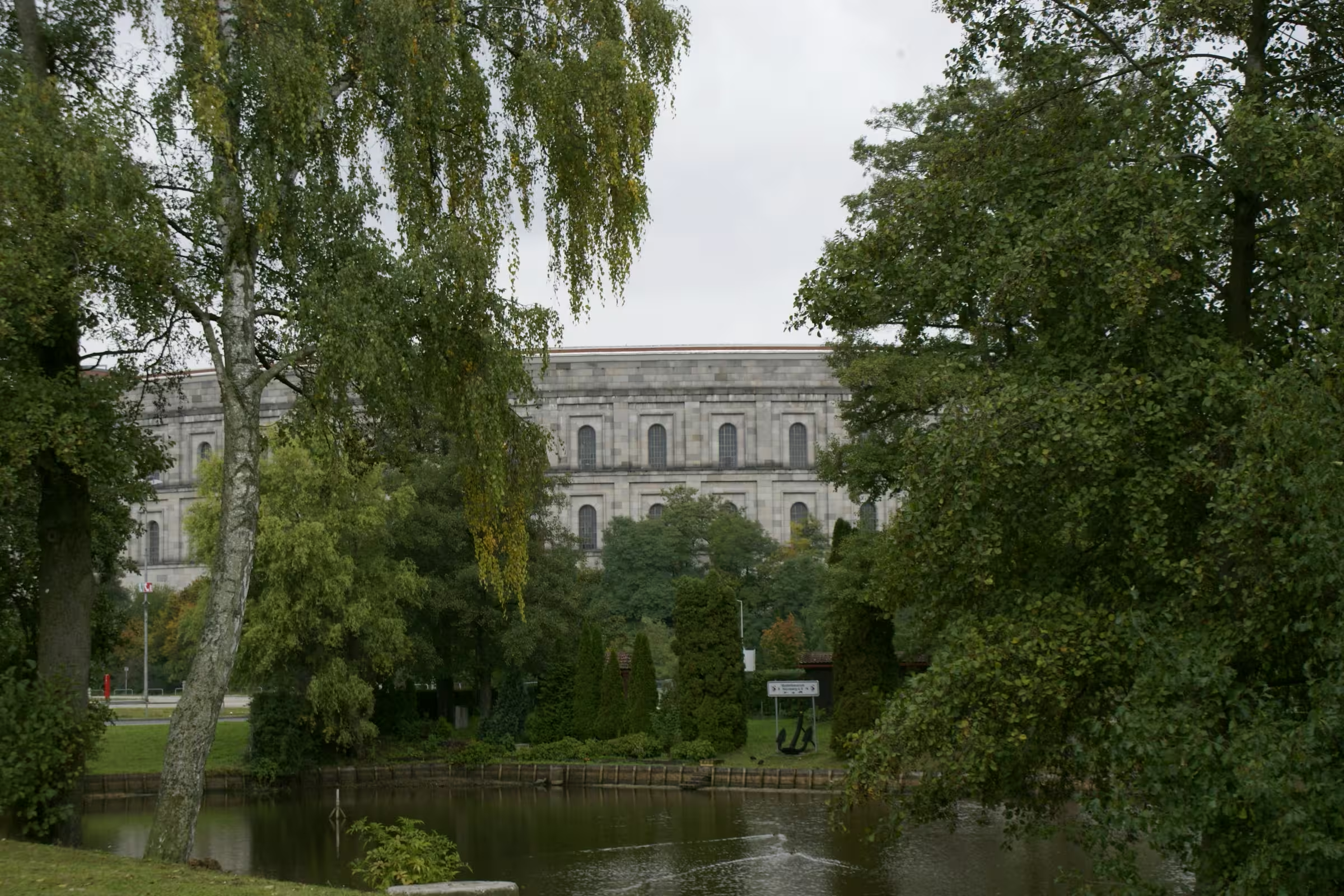
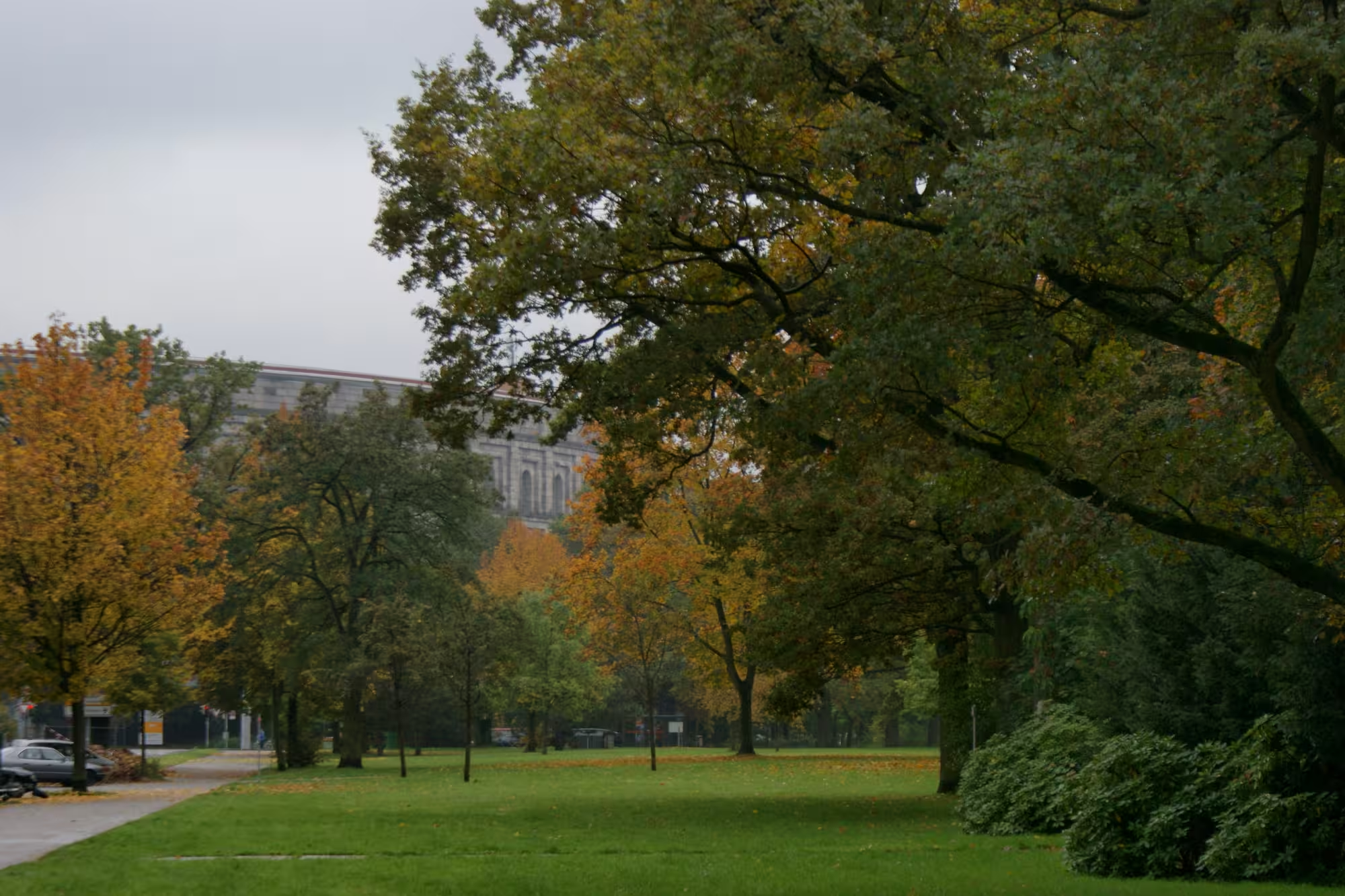
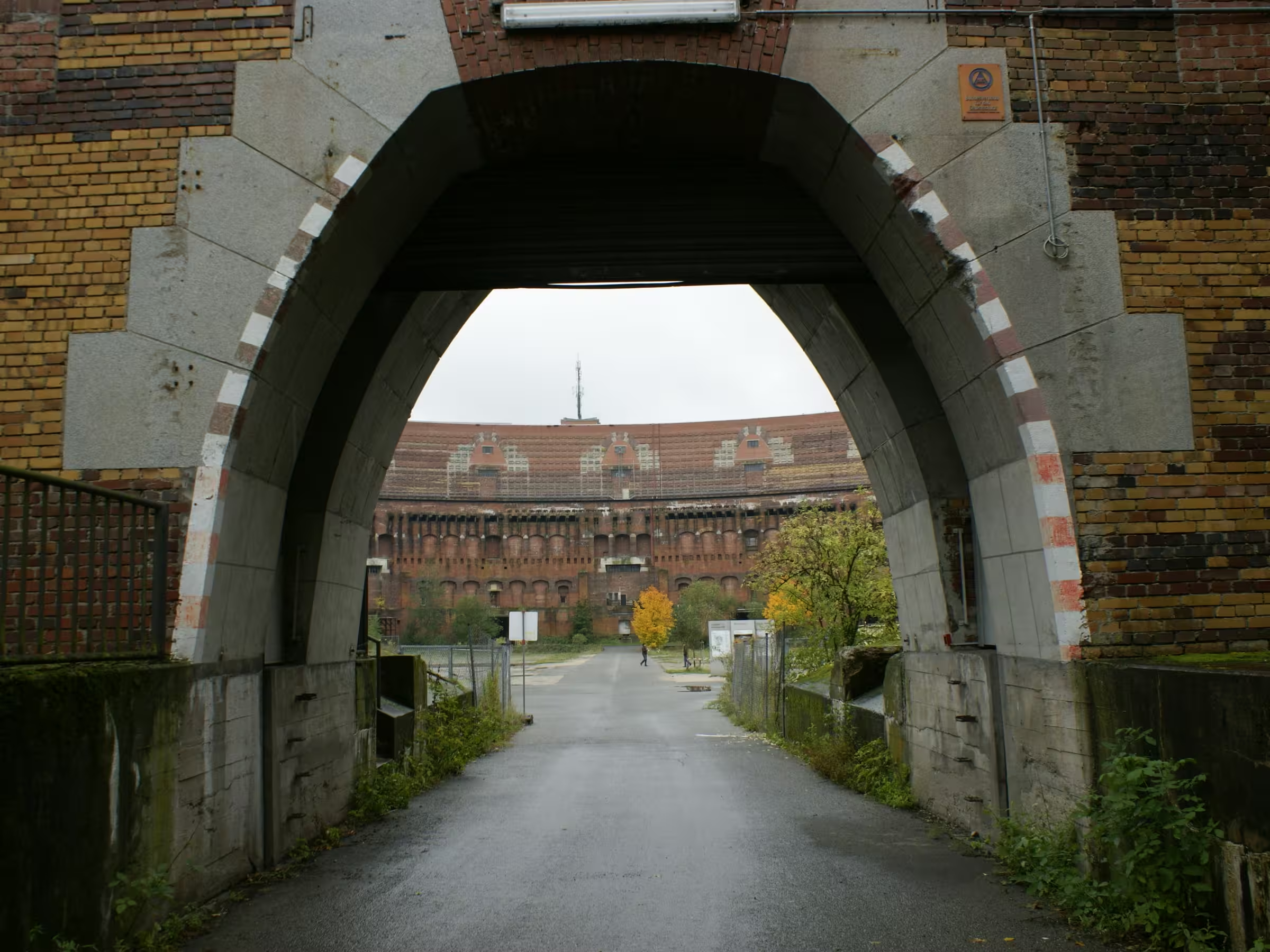
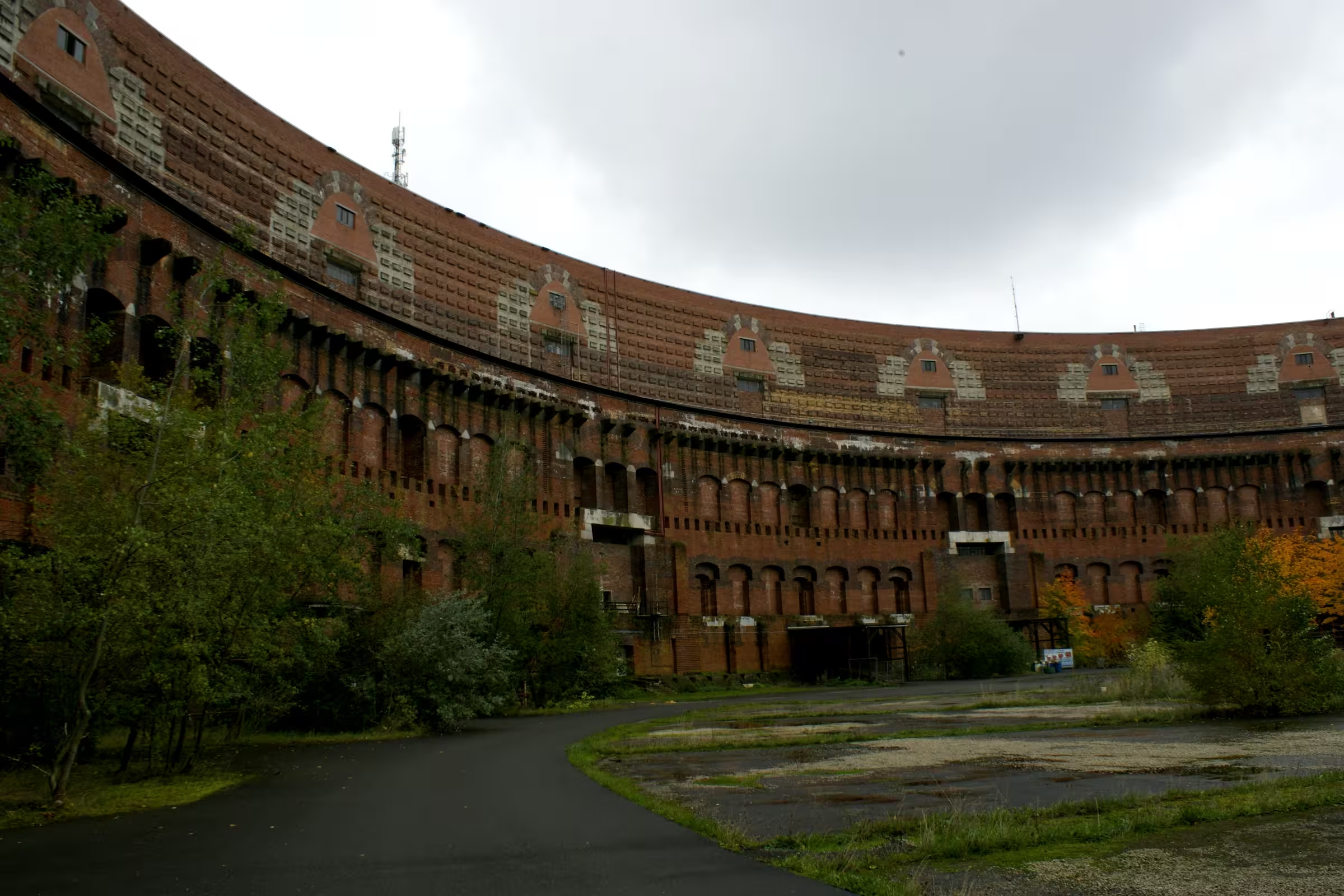
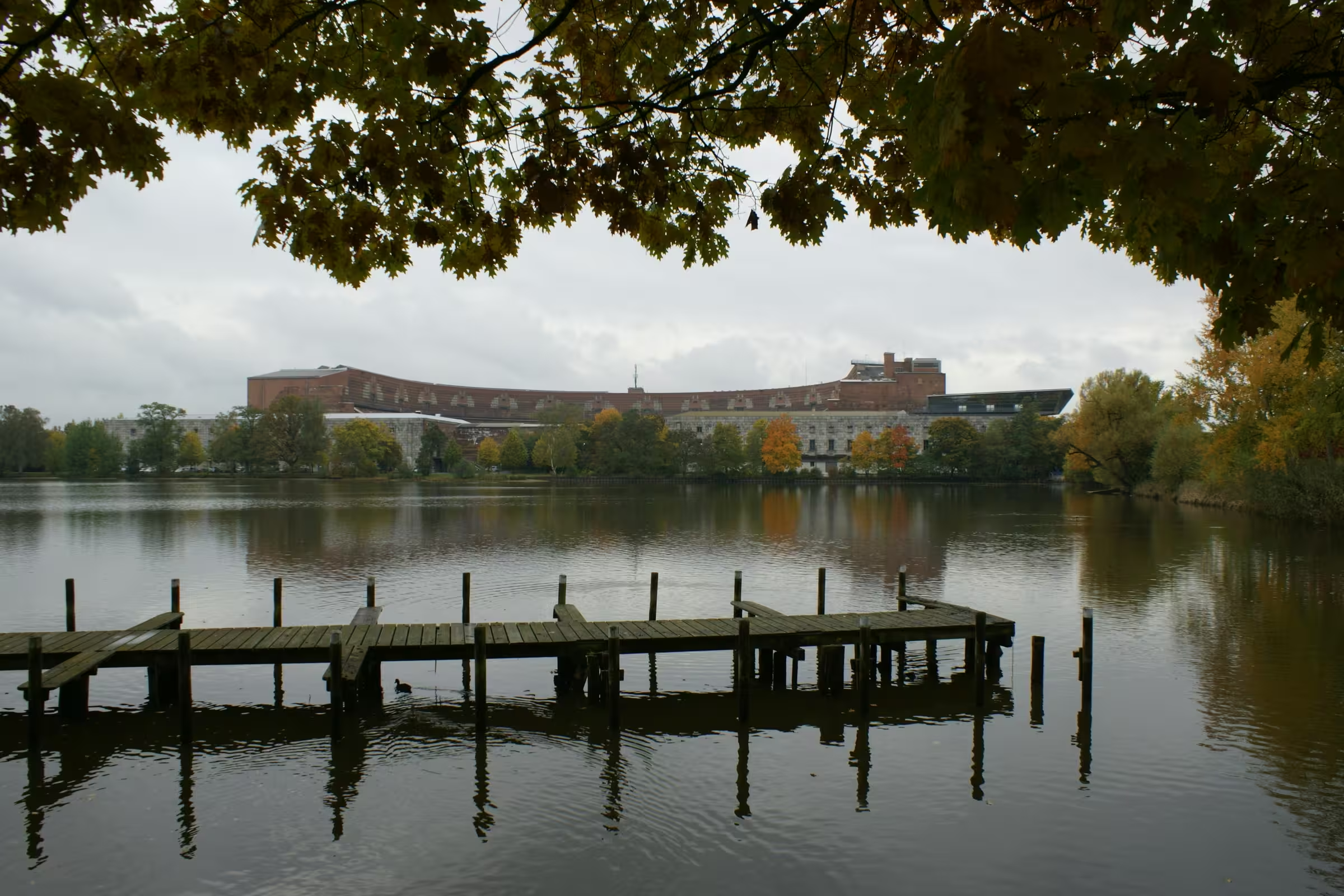
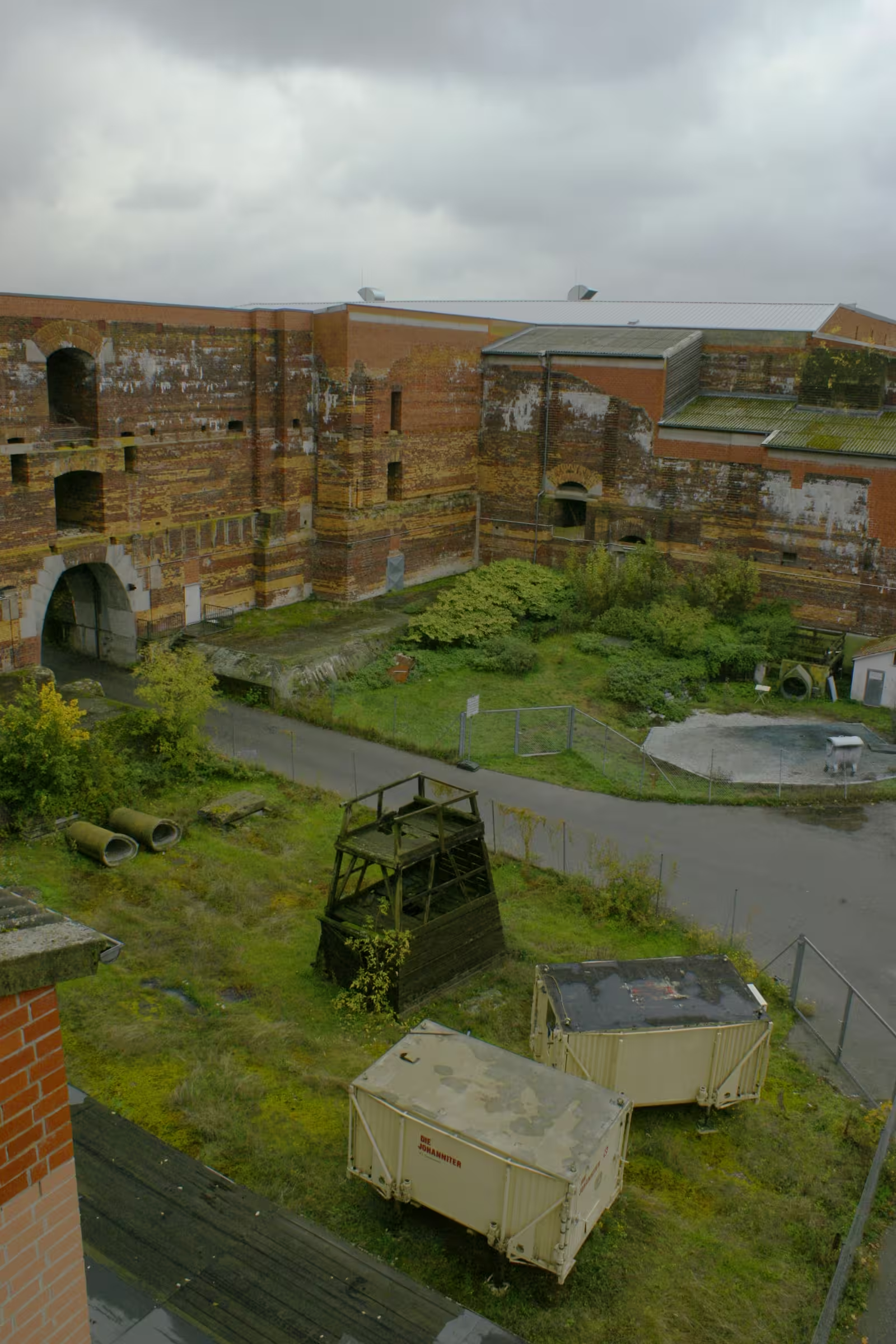
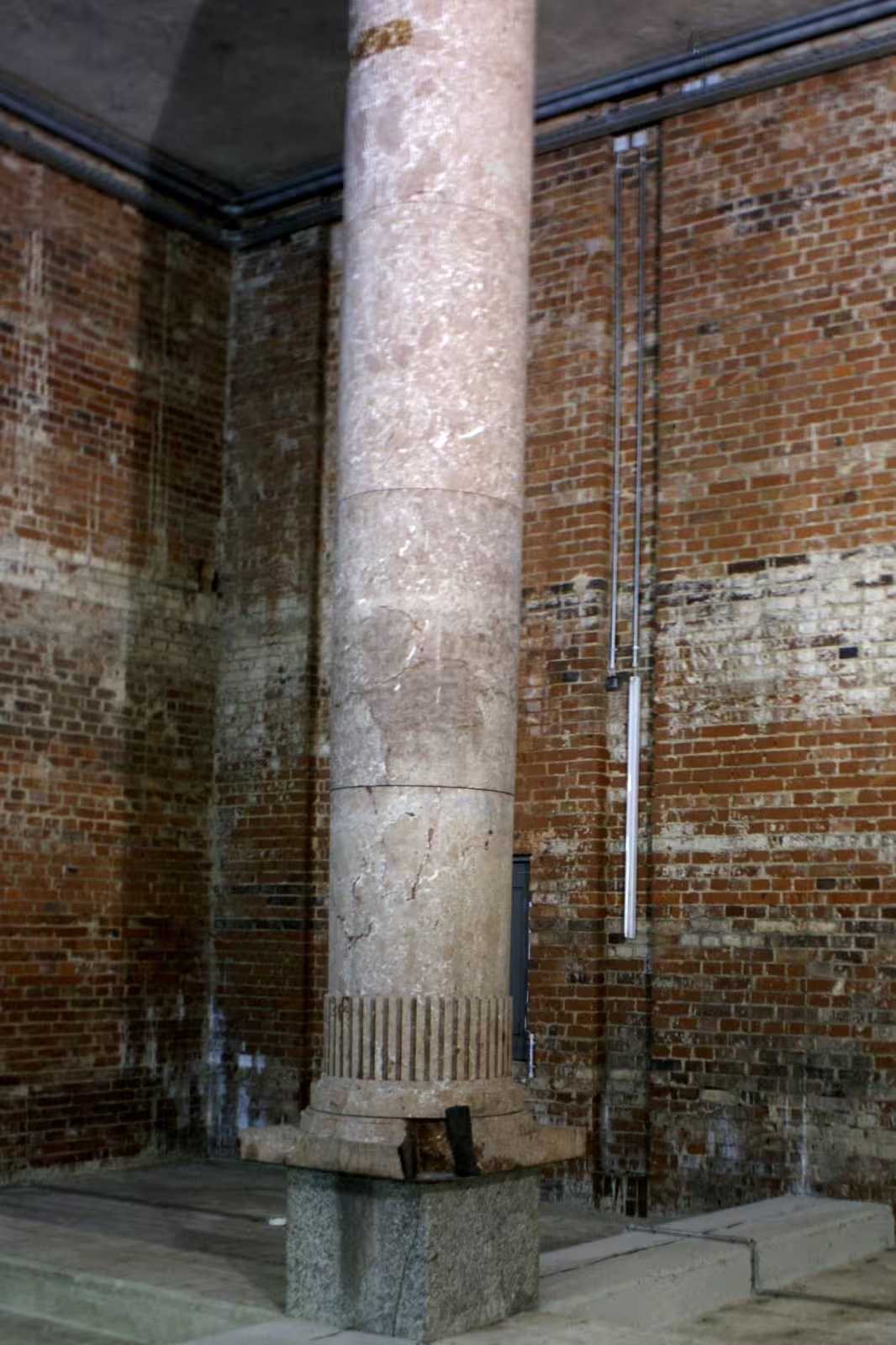
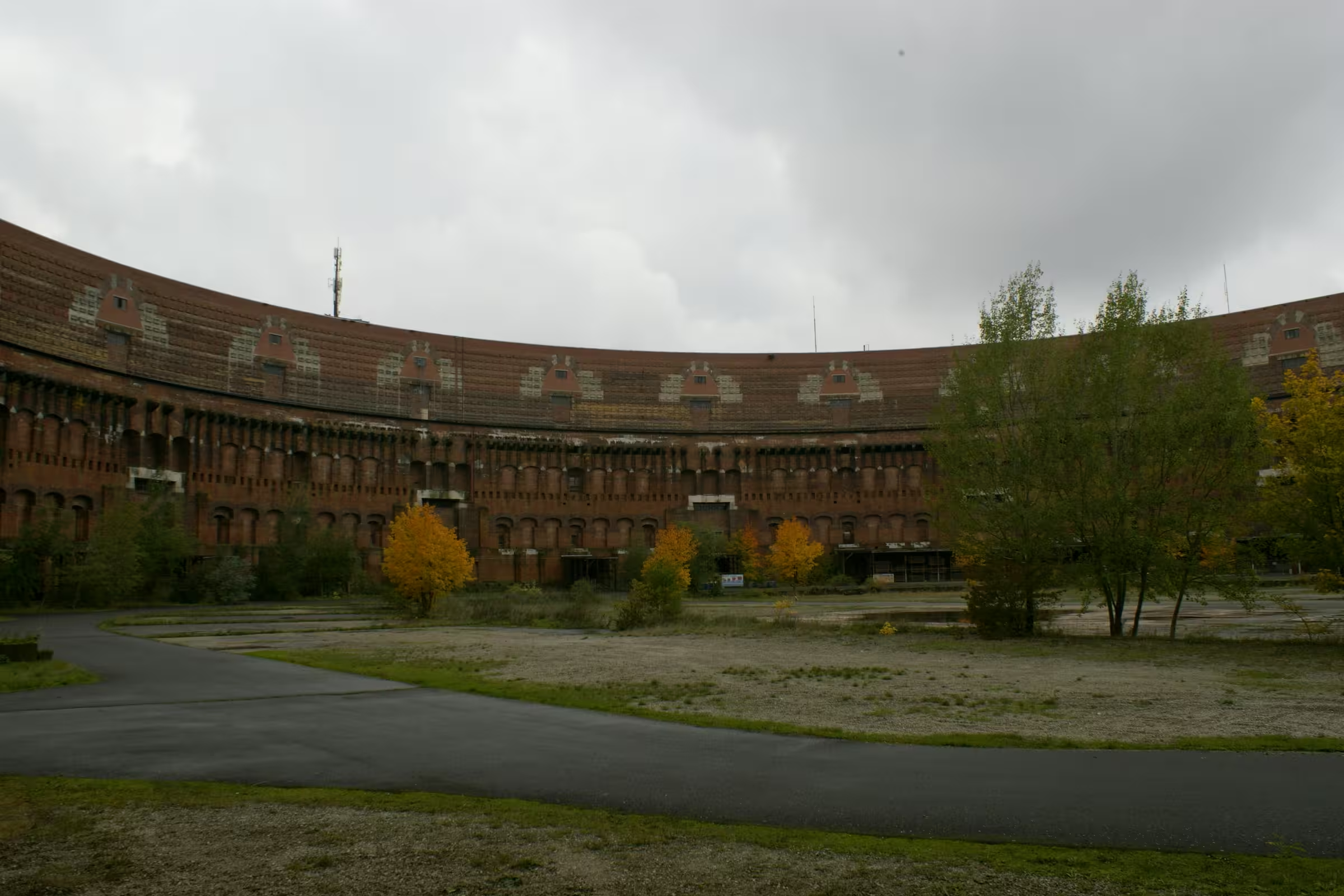
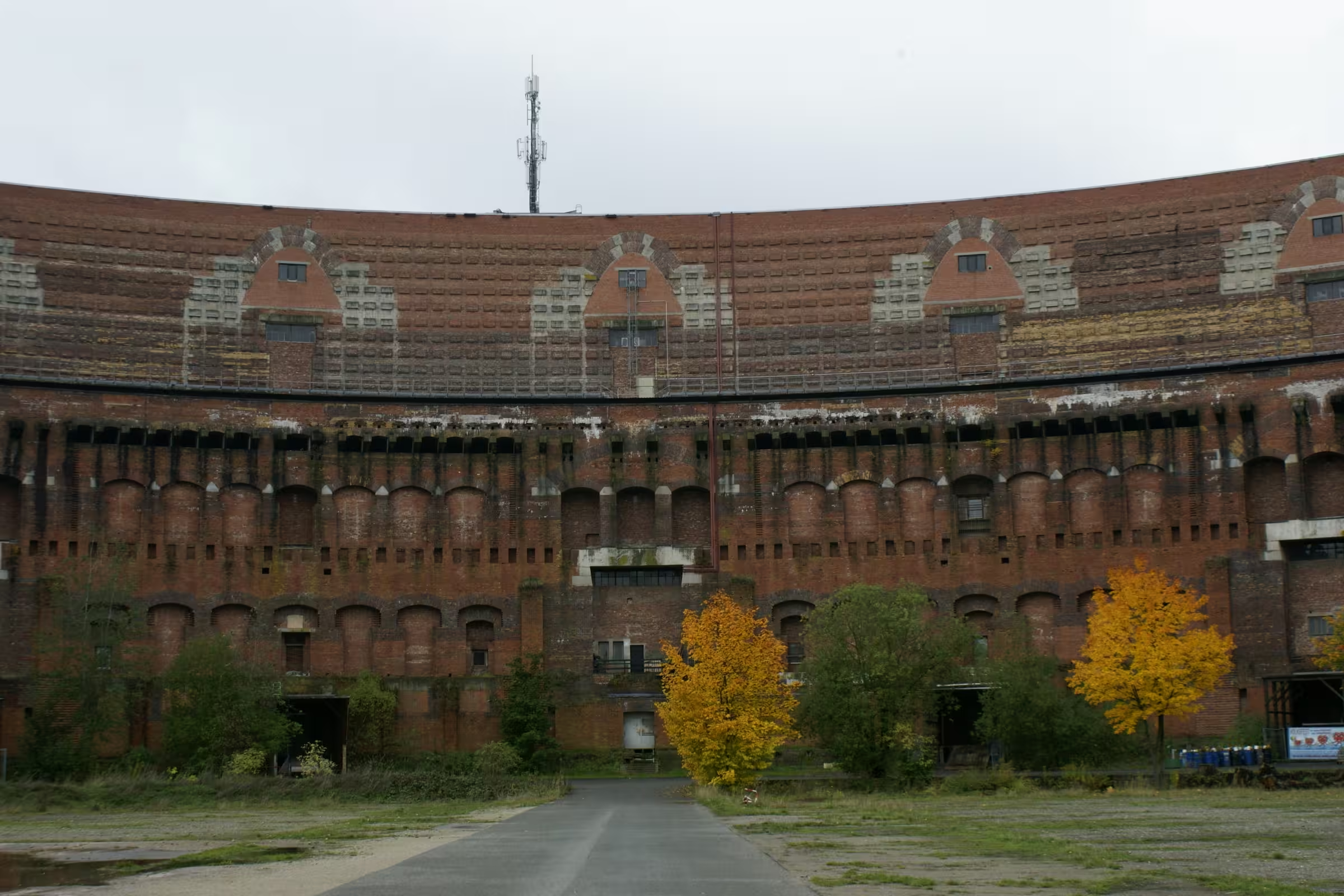
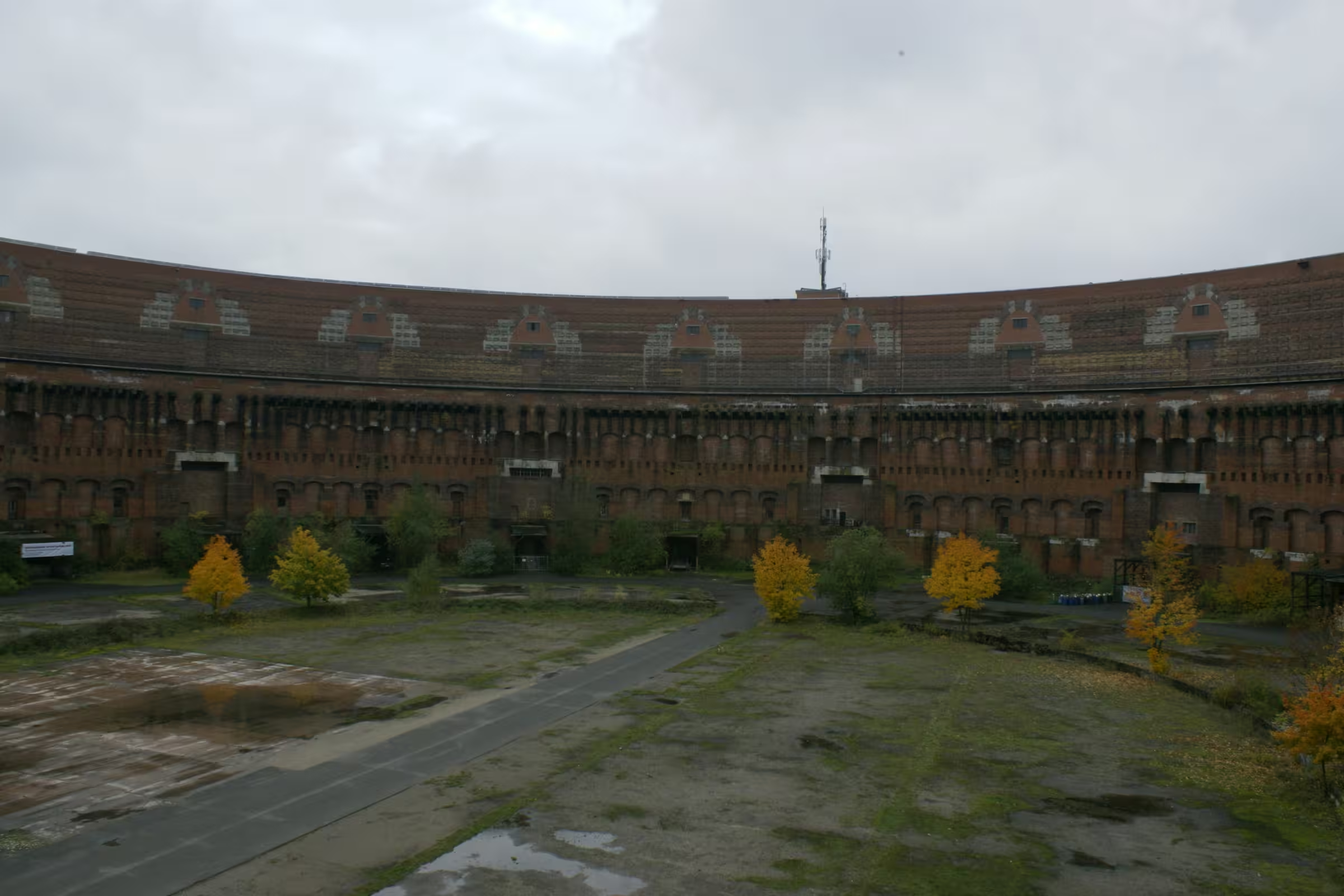
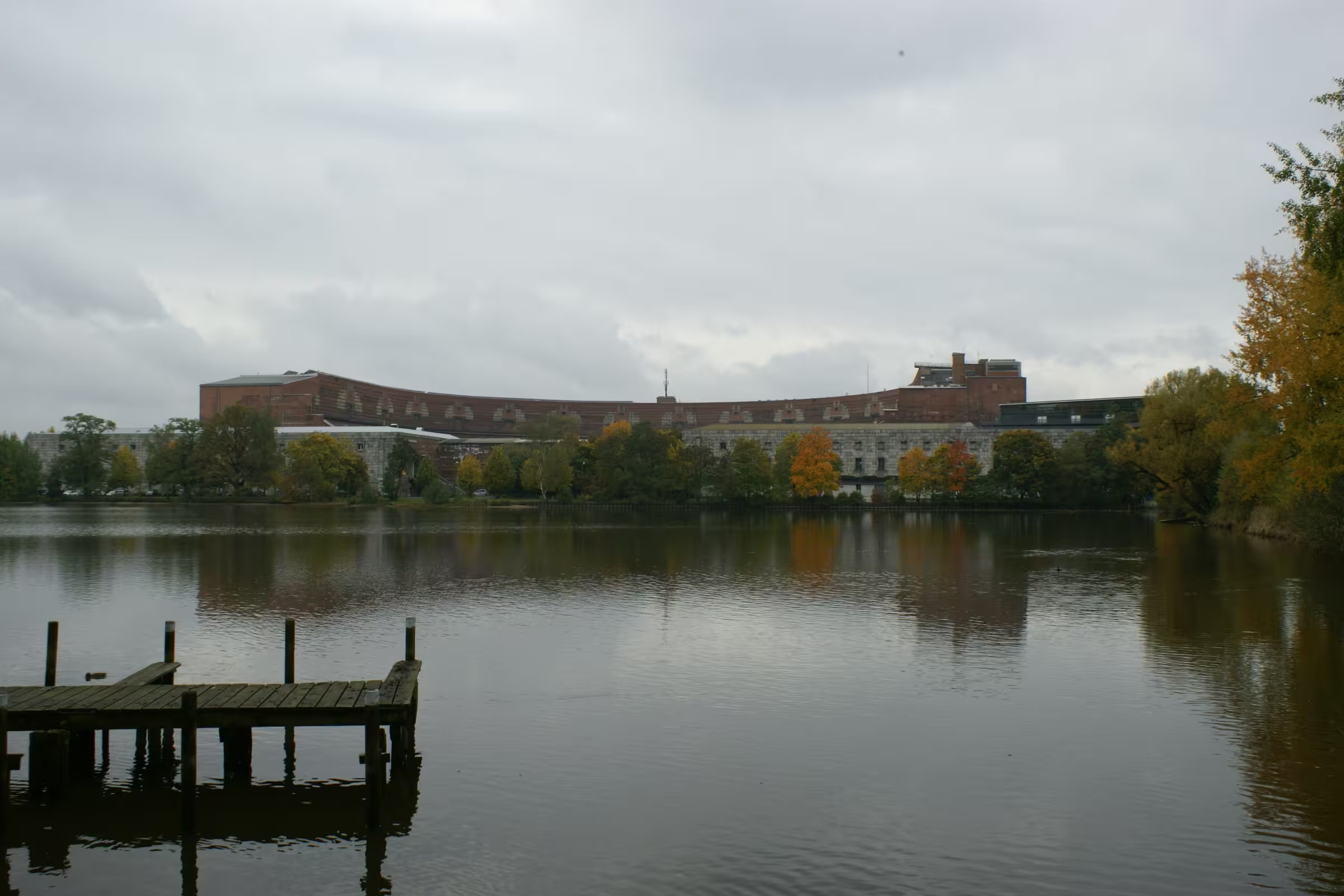
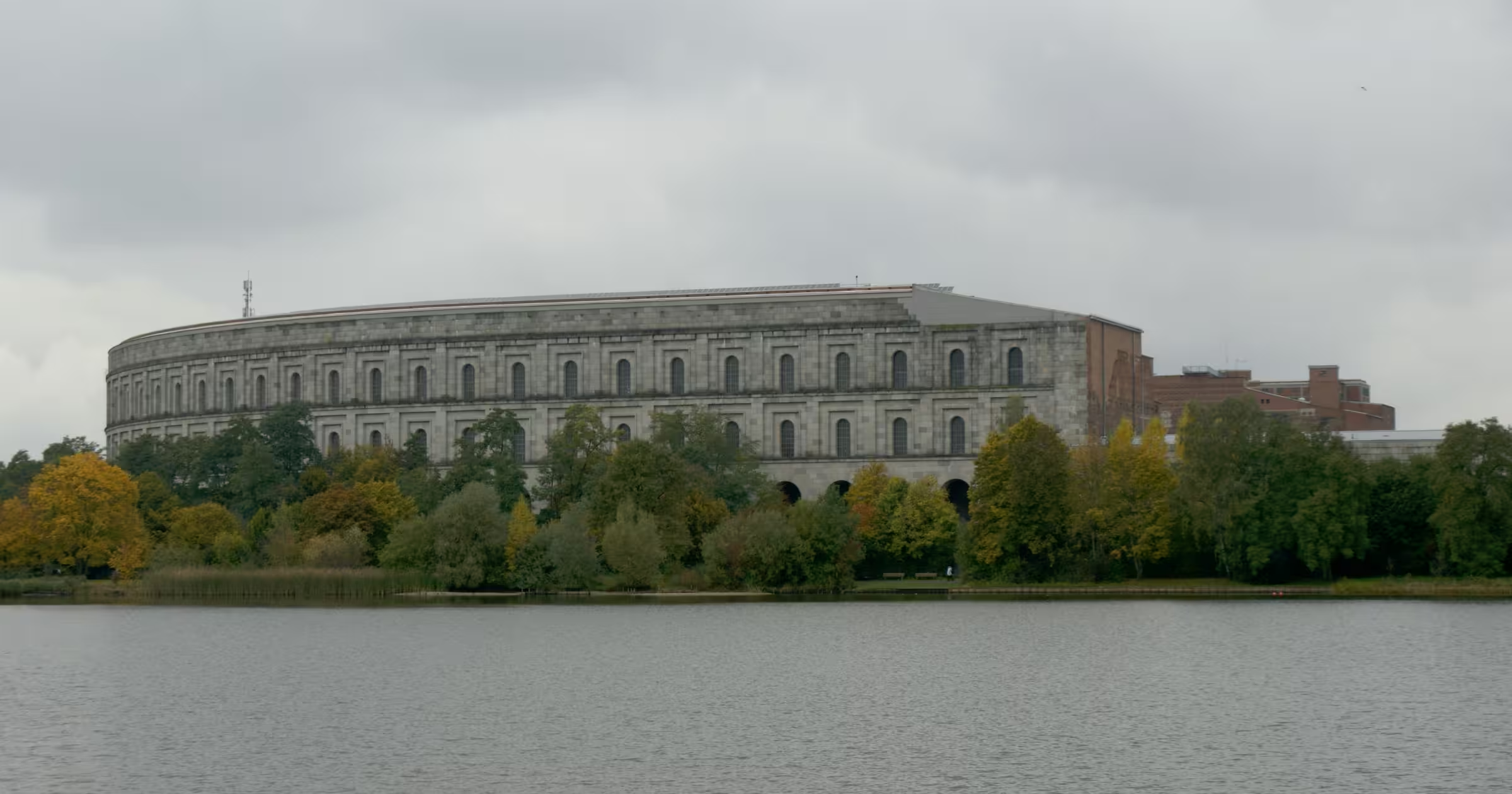
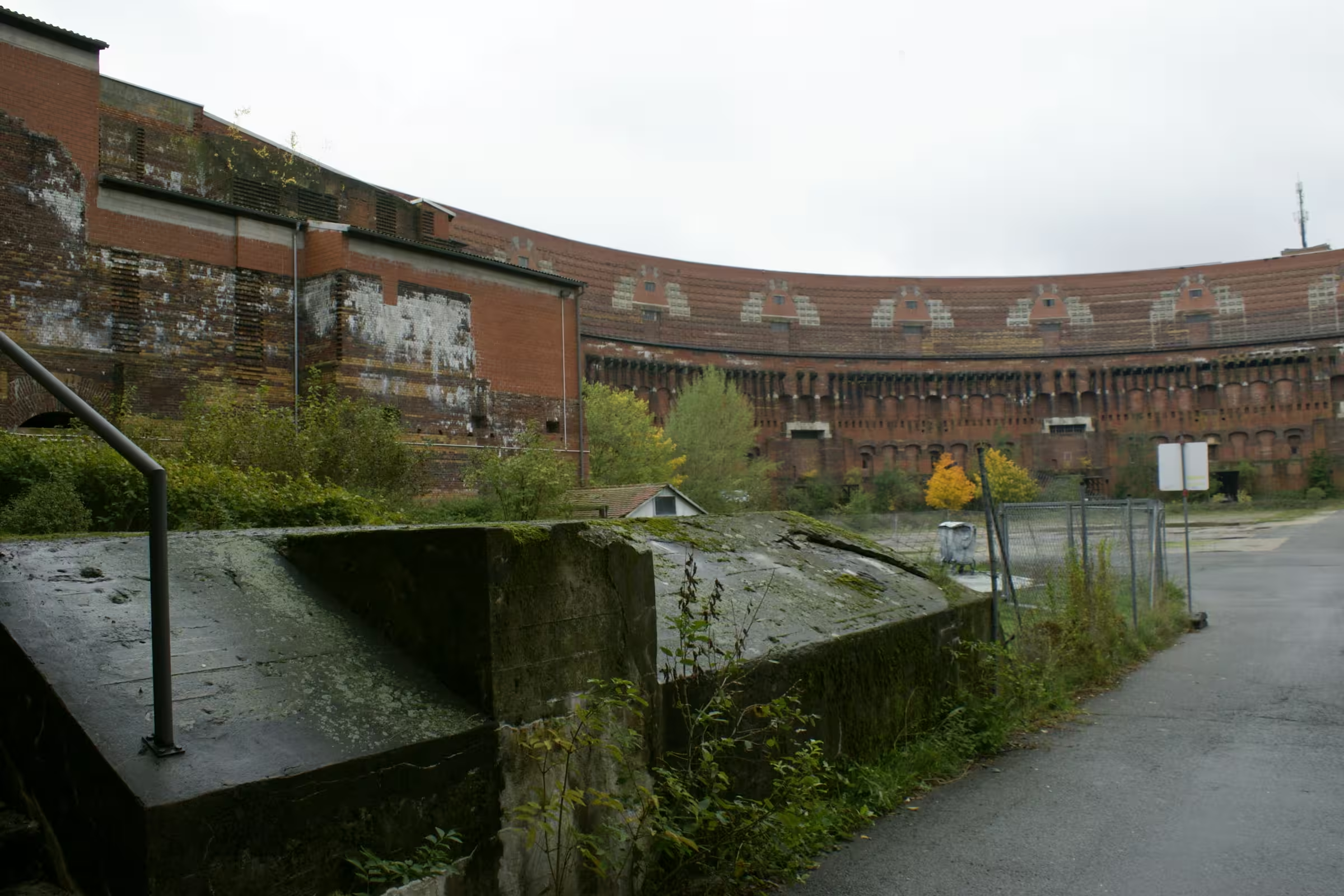
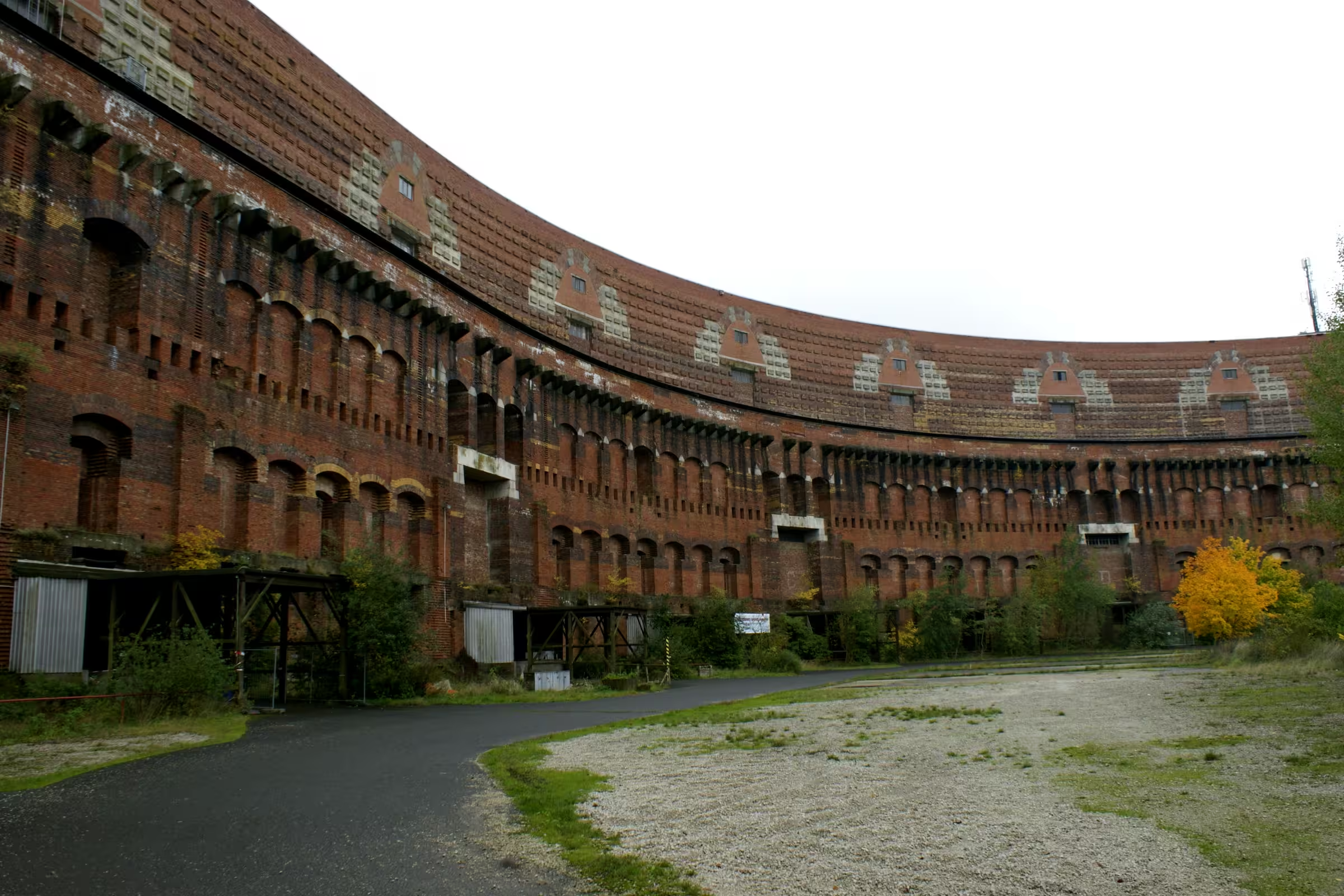
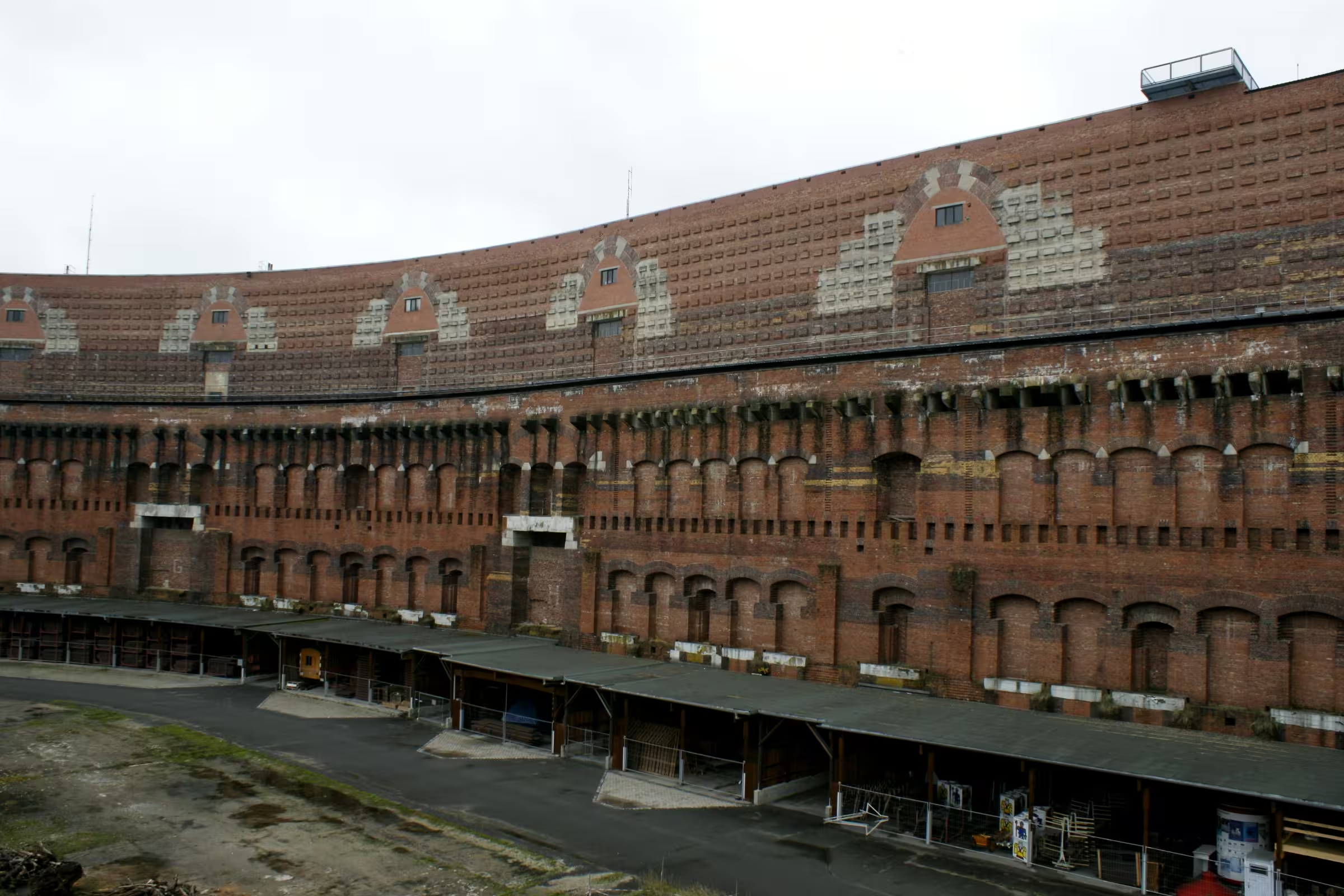
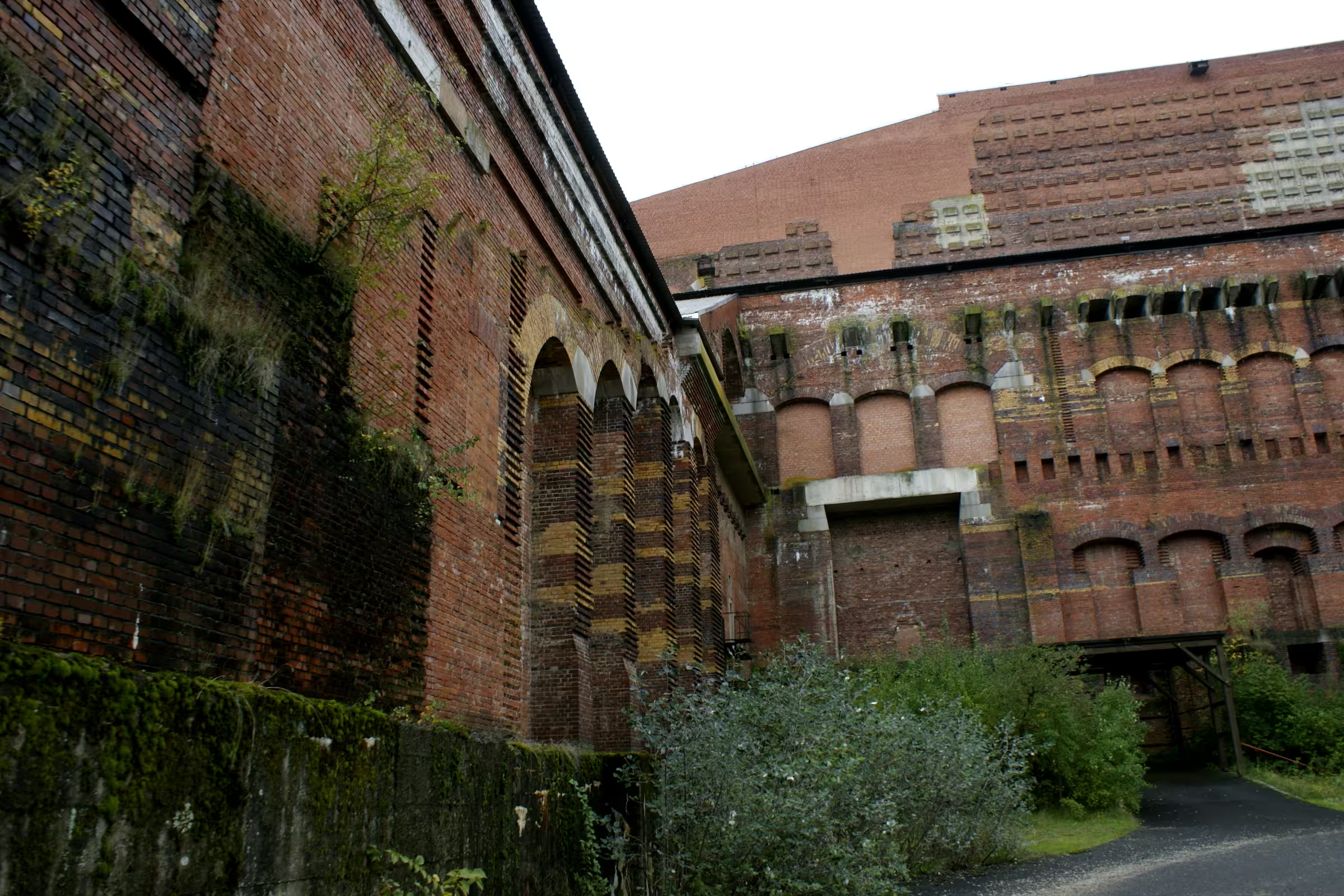
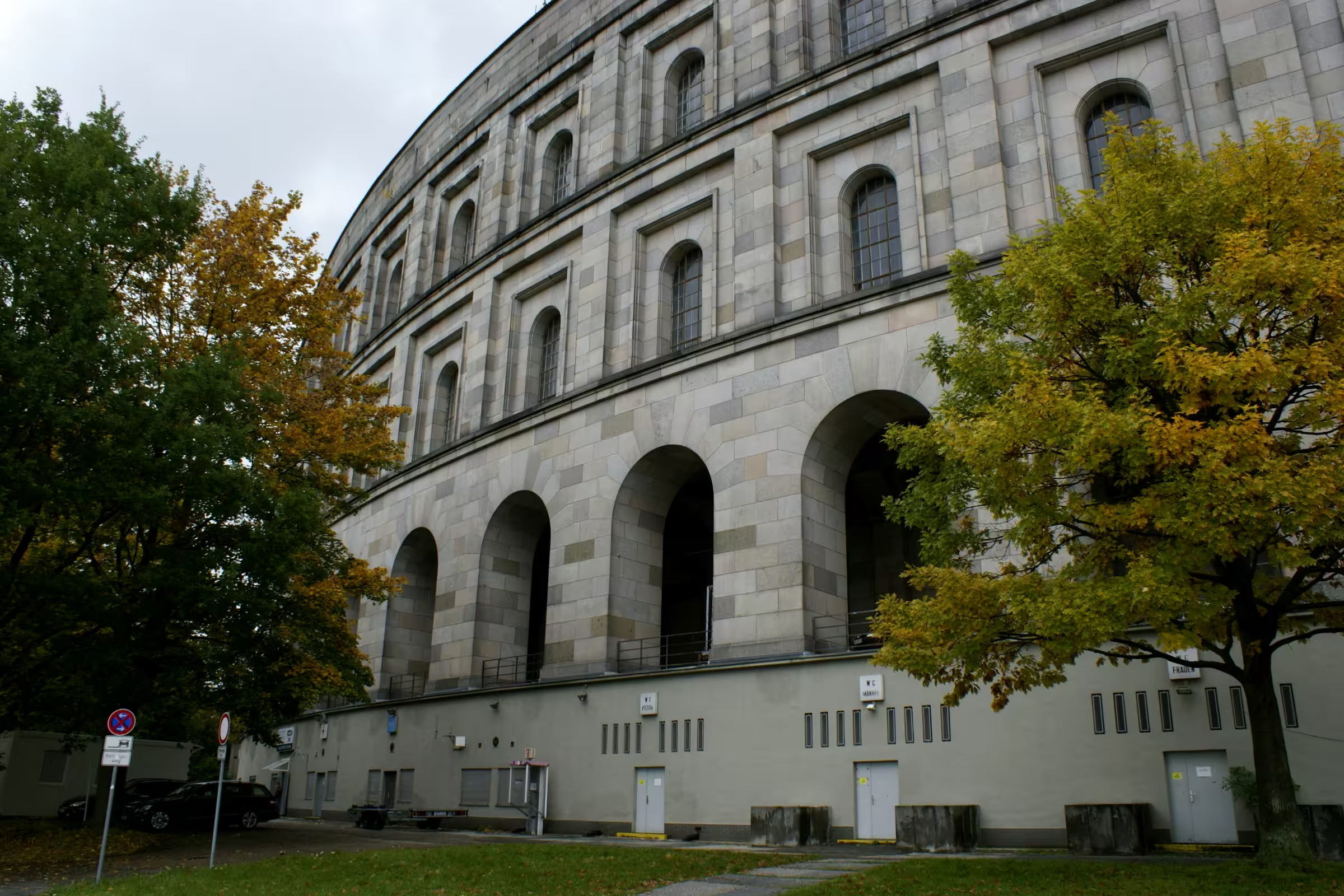
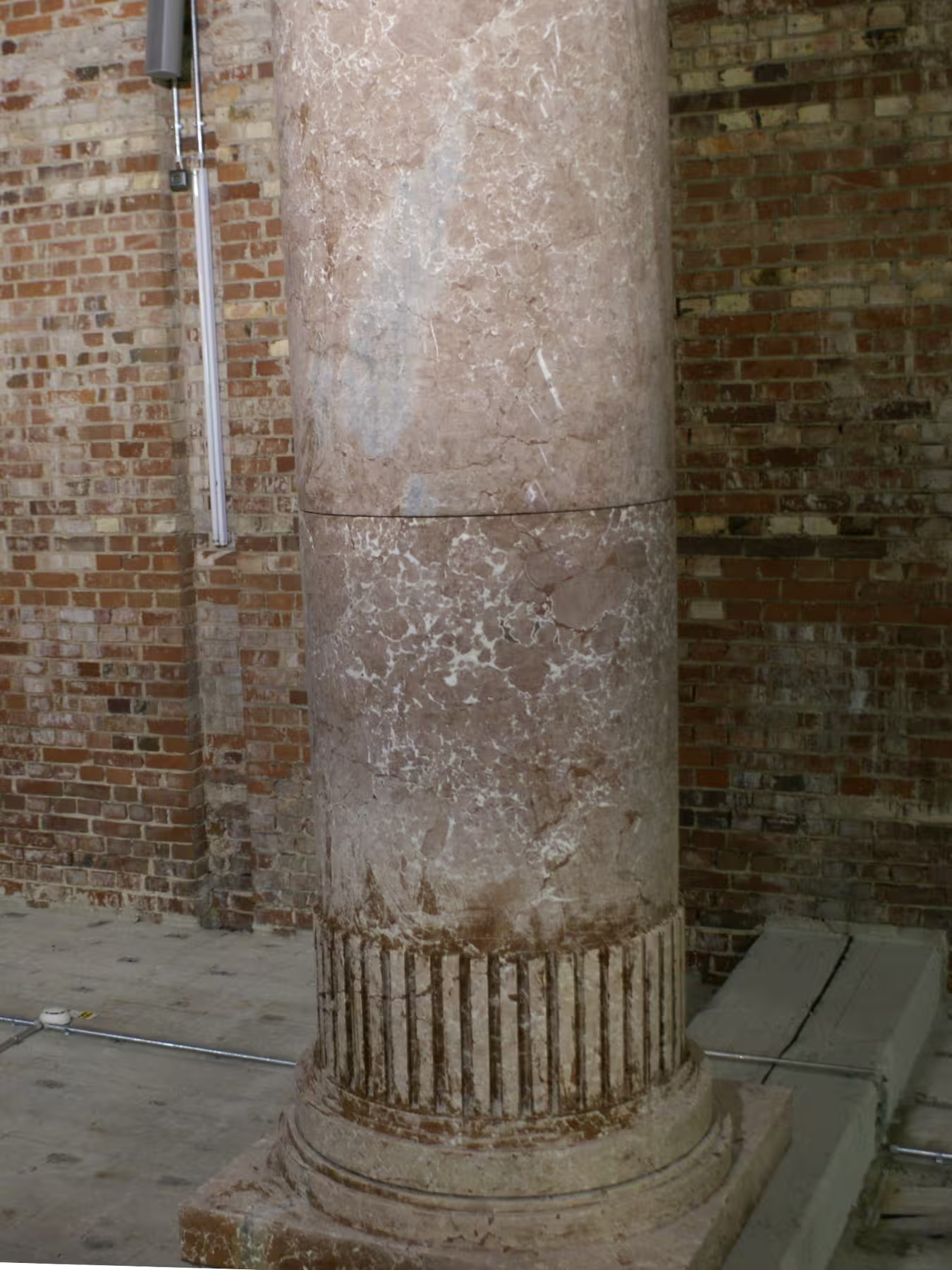
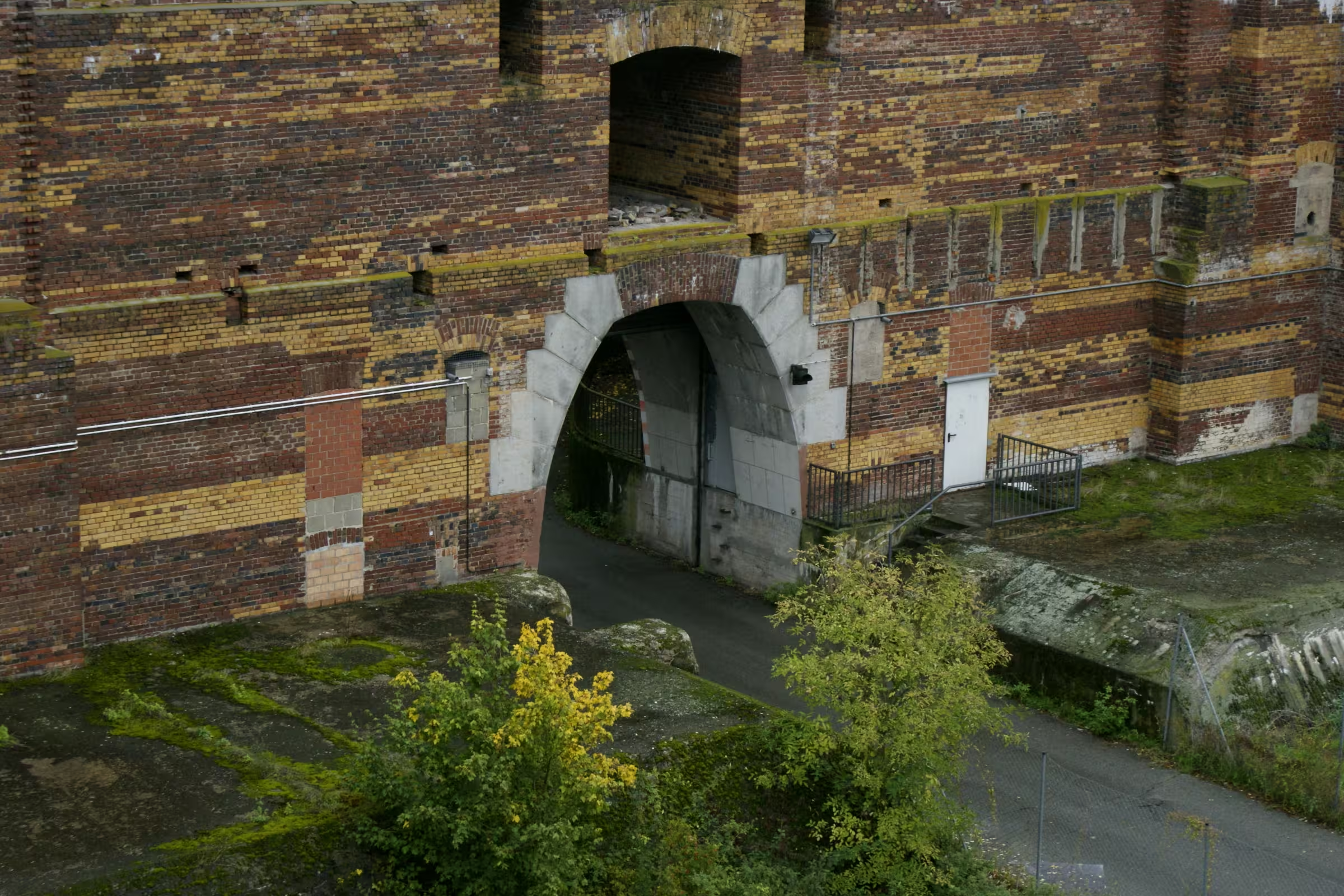
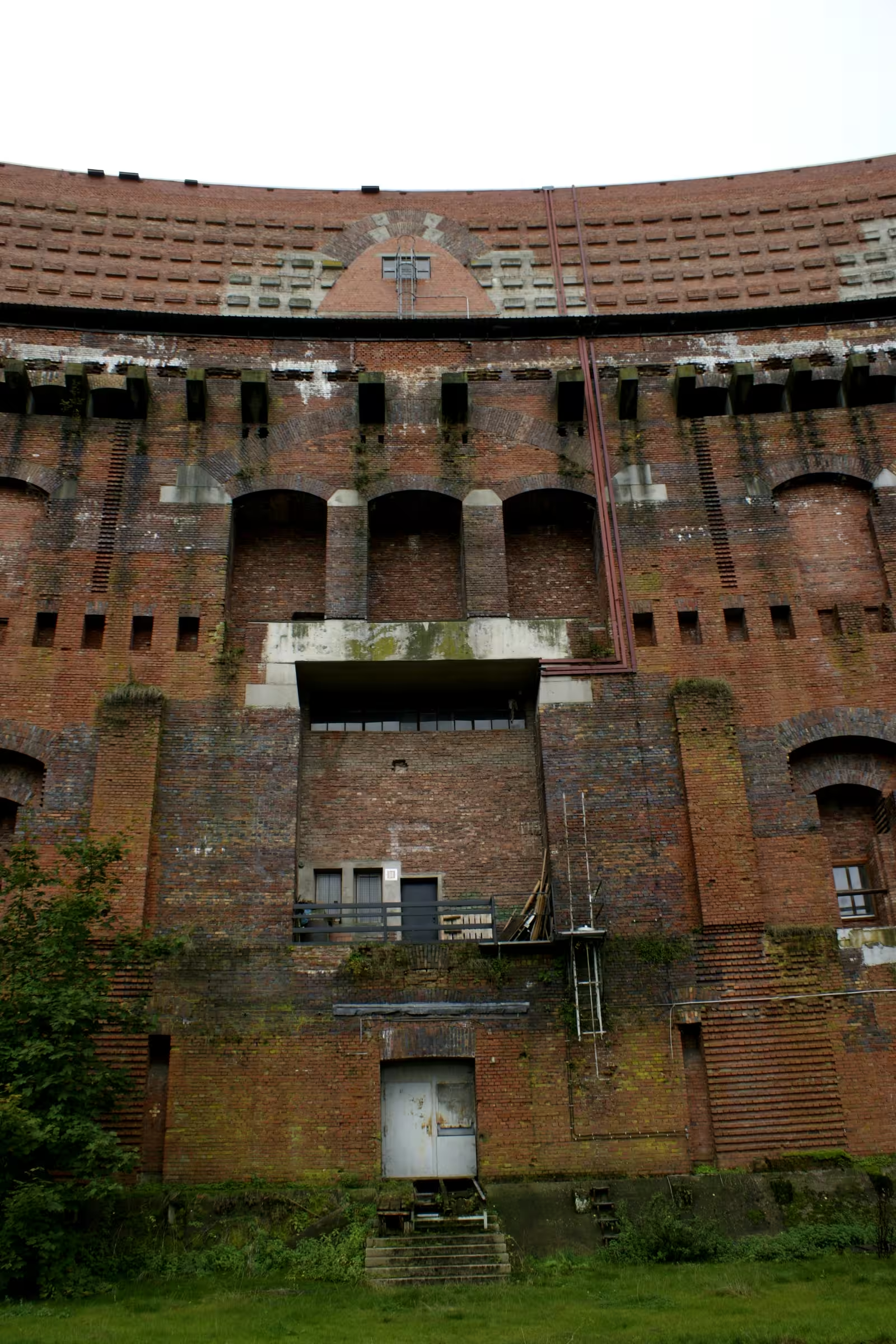
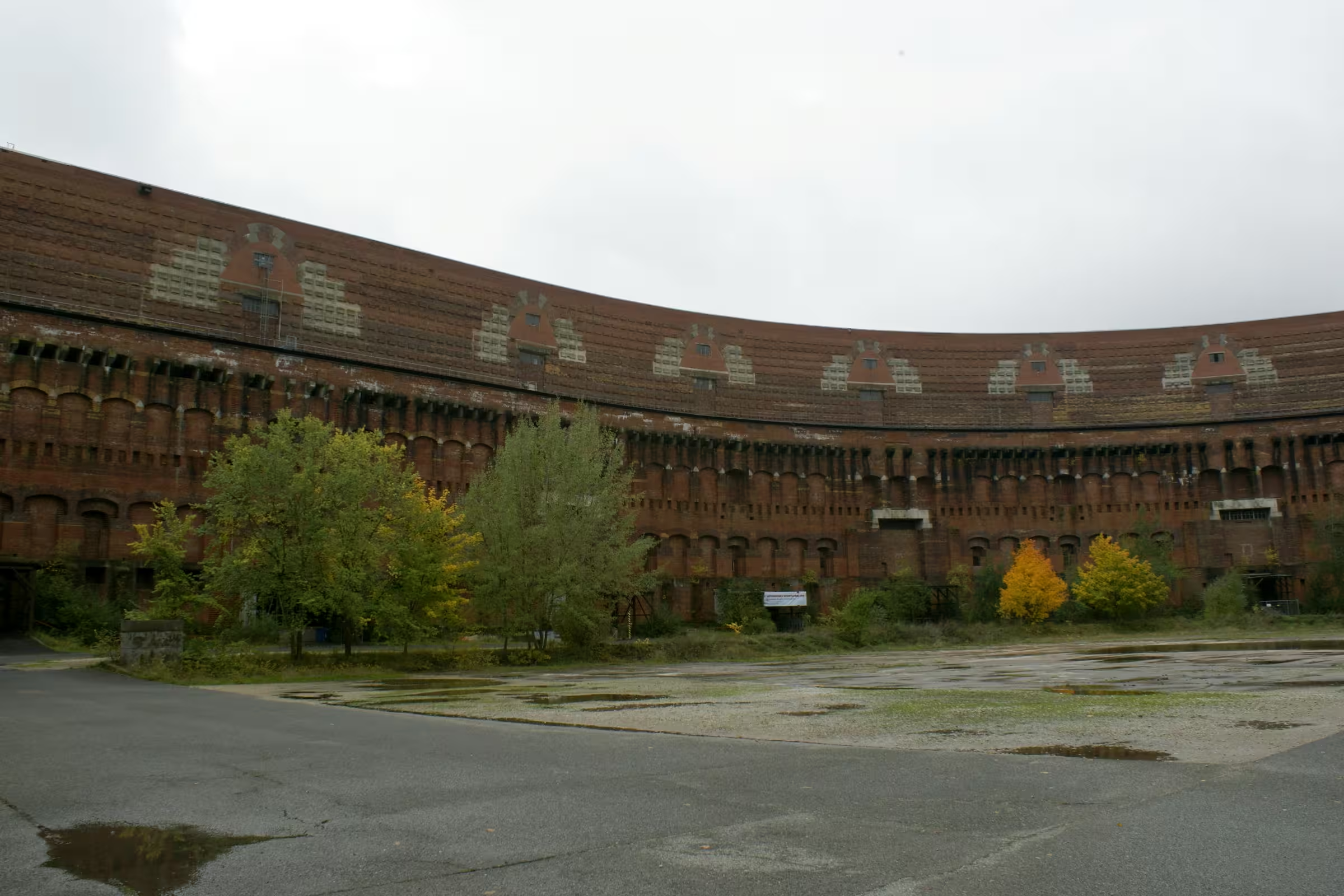
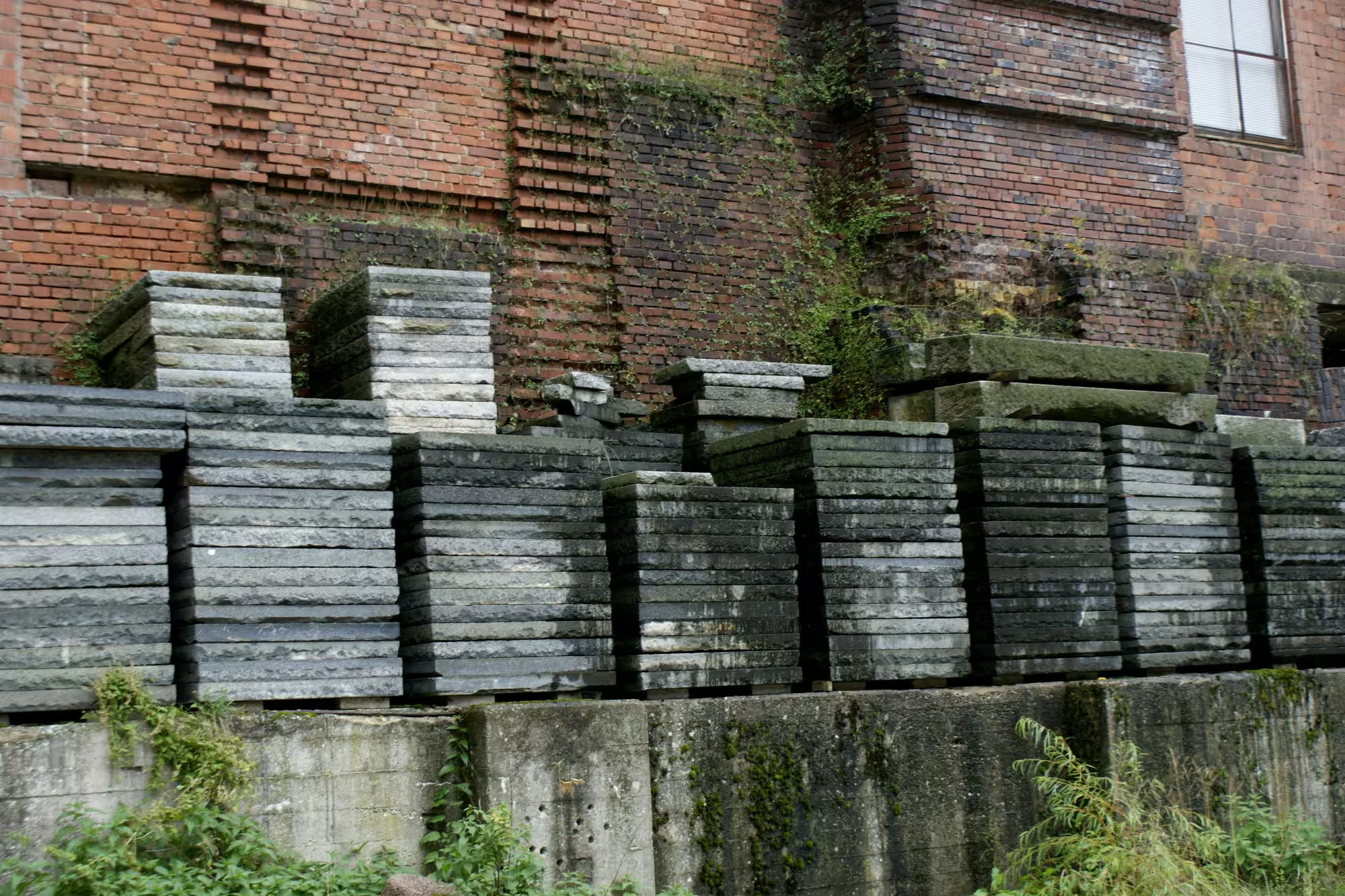
    I visited the Nazi Congress Hall (Kongresshalle) in Nürnberg (Nuremberg) in Germany. The building was intended as a congress center for promoting the German Nazi party. It is a huge facility and is modeled on the Rome Colosseum, but on a much larger scale. It was meant to have a self-supporting roof, and would have provided seating for up to 50,000 people. Following World War 2, construction of the building was abandoned and it has been left by the city of Nürnburg as a reminder of the dangers of national socialism.

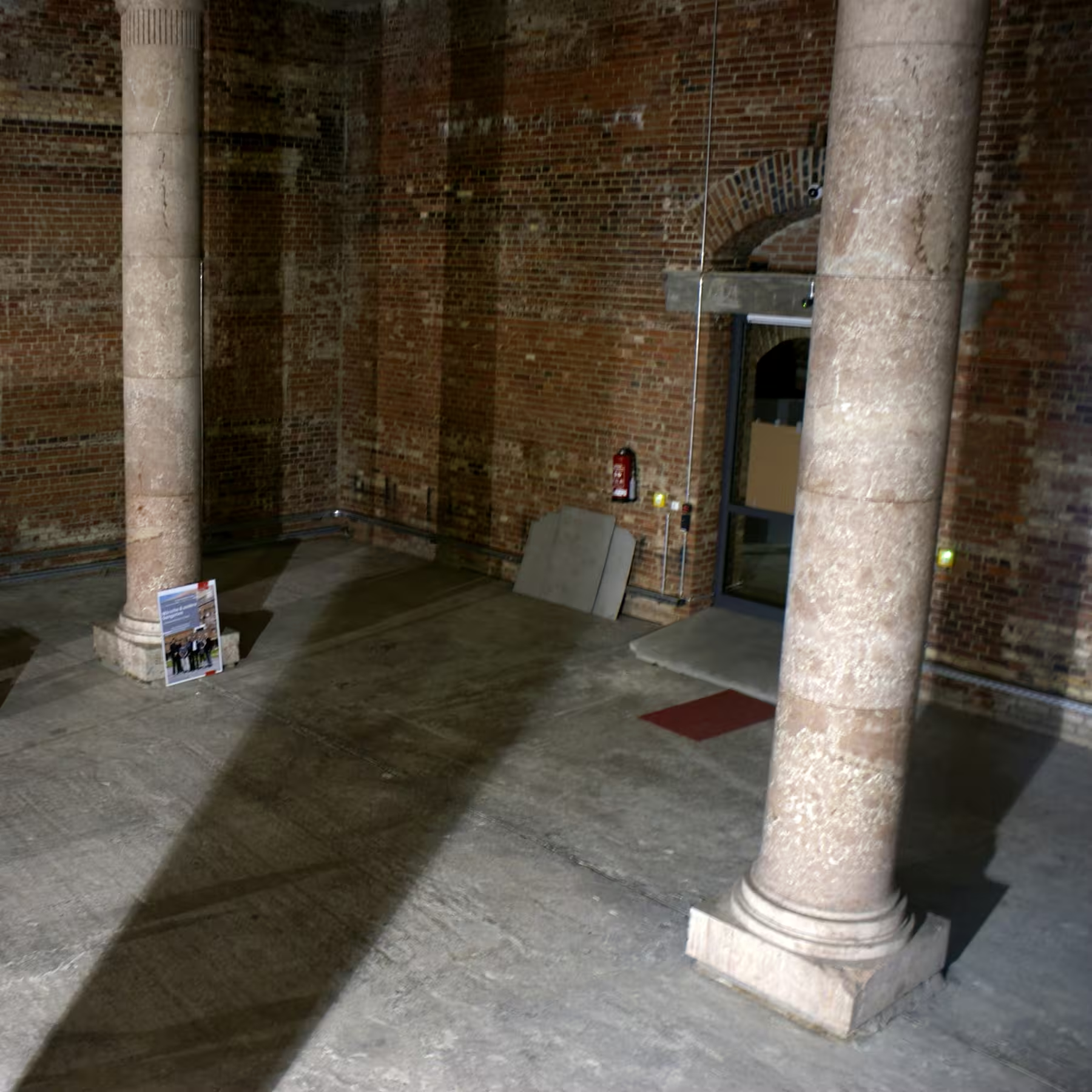
    Standing inside the Colosseum area is a creepy feeling. Had history taken a different path, this building may have been one of the most prominent political buildings in the world. As it stands today, it is a rather pathetic reminder of a sad piece of history.

  • Nürnberg wall

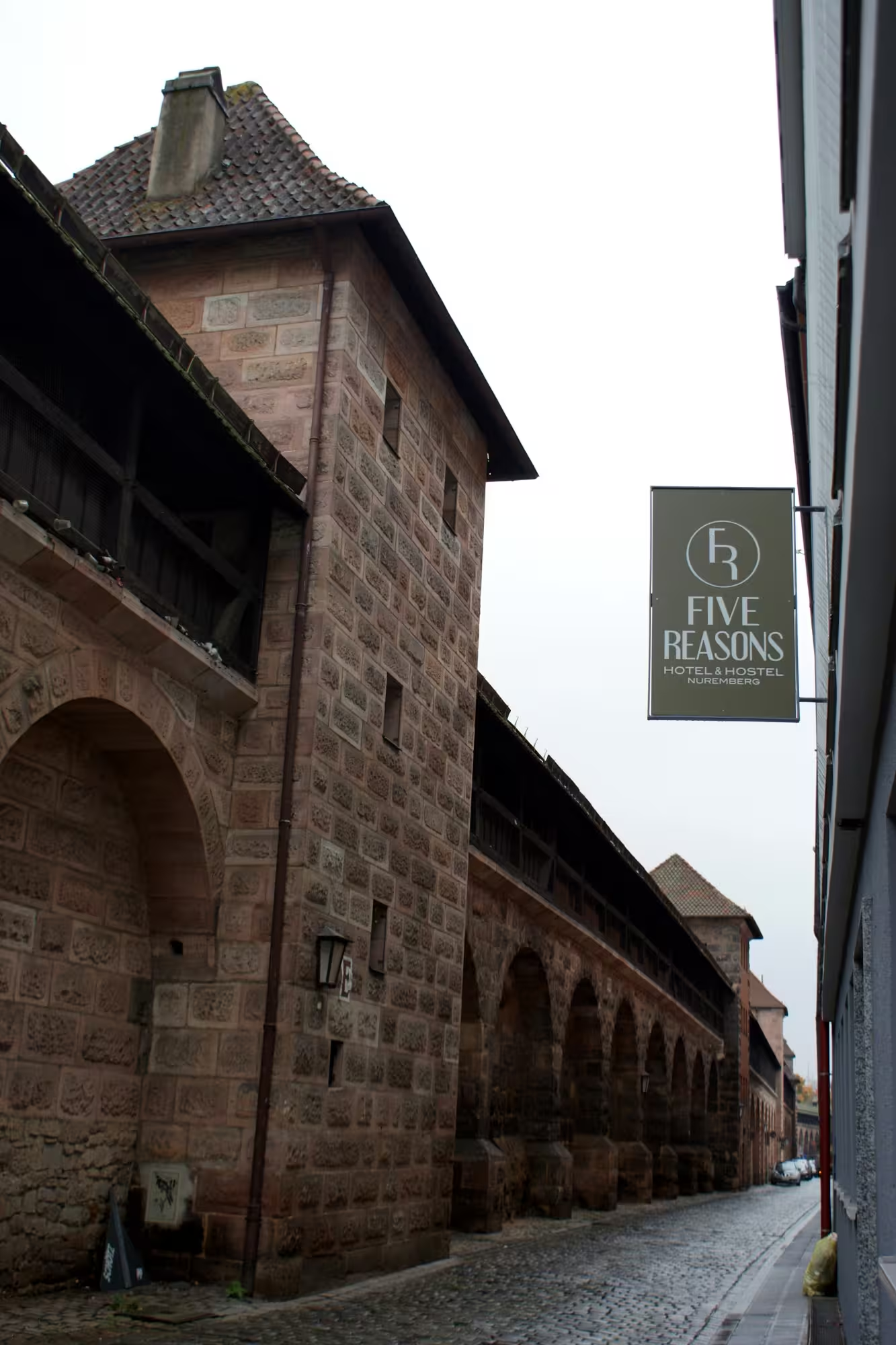
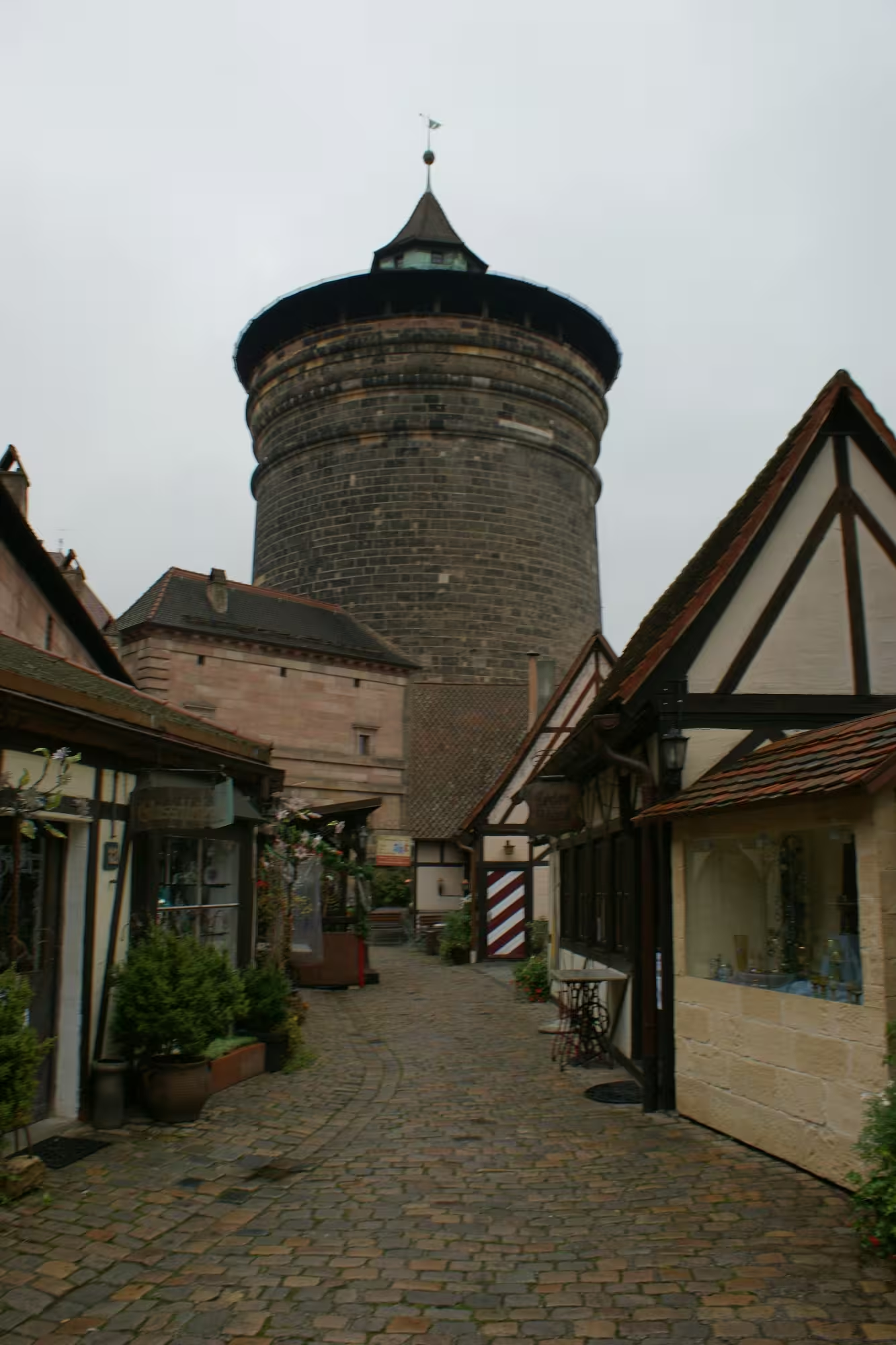
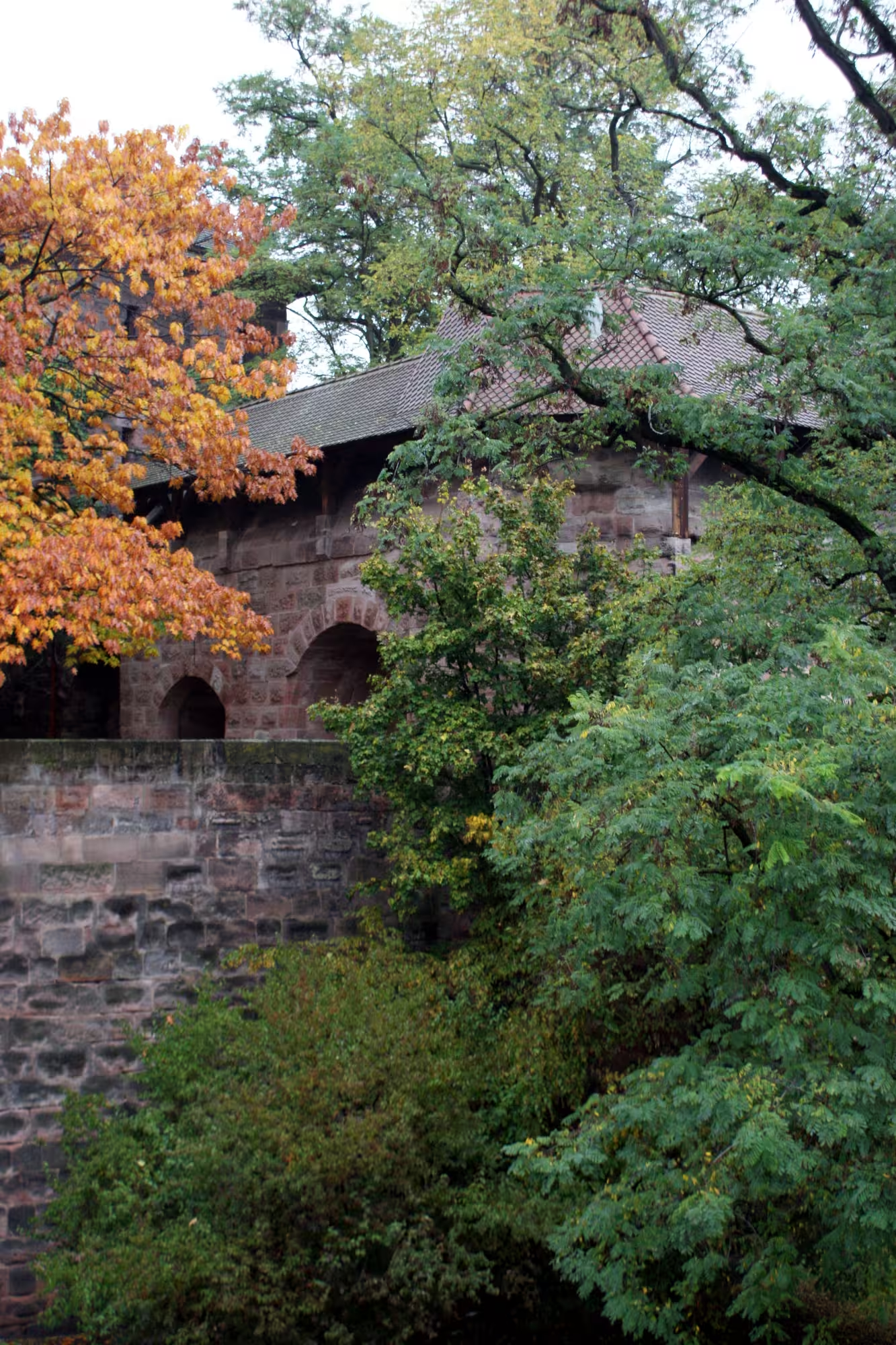
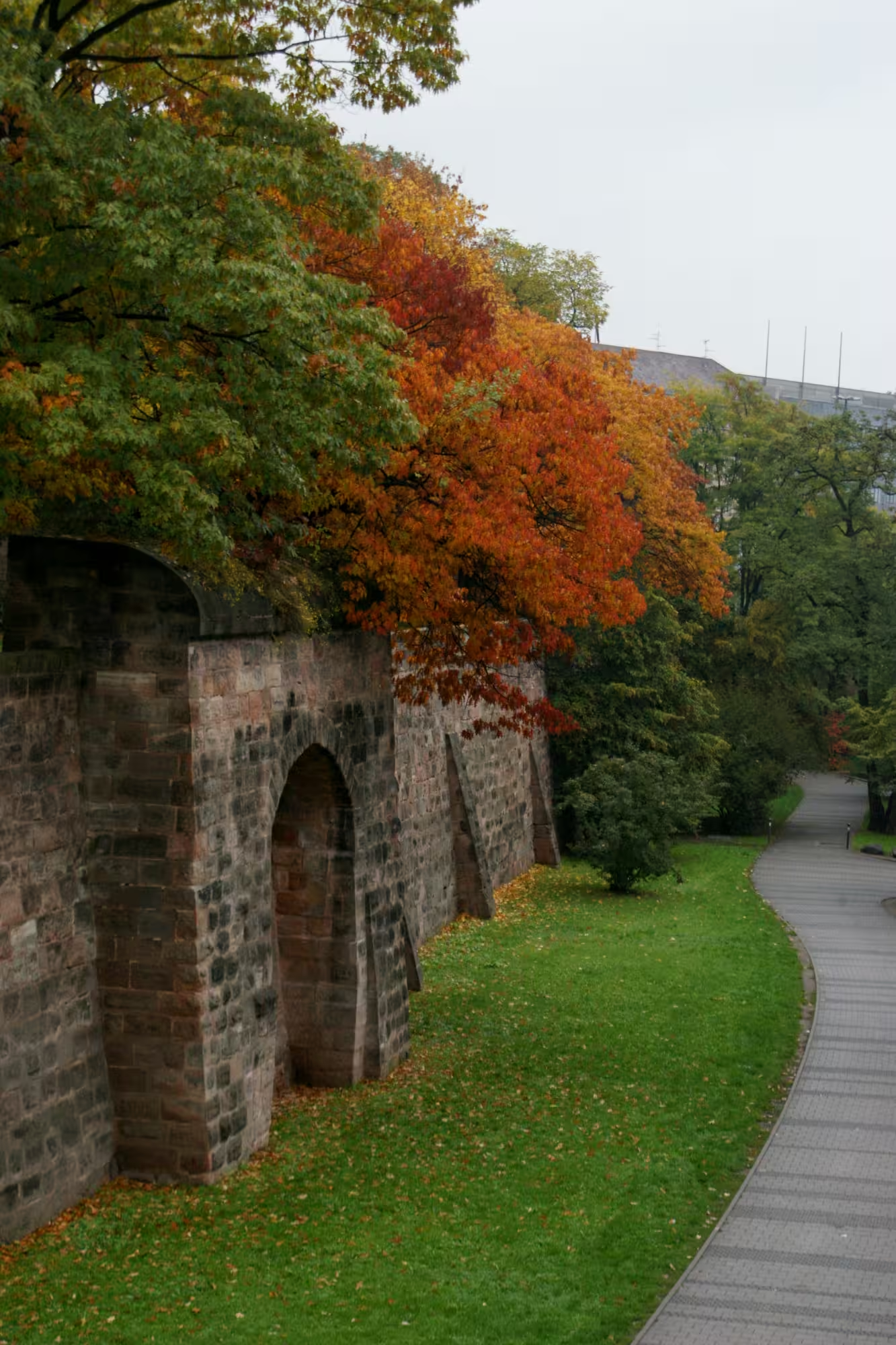
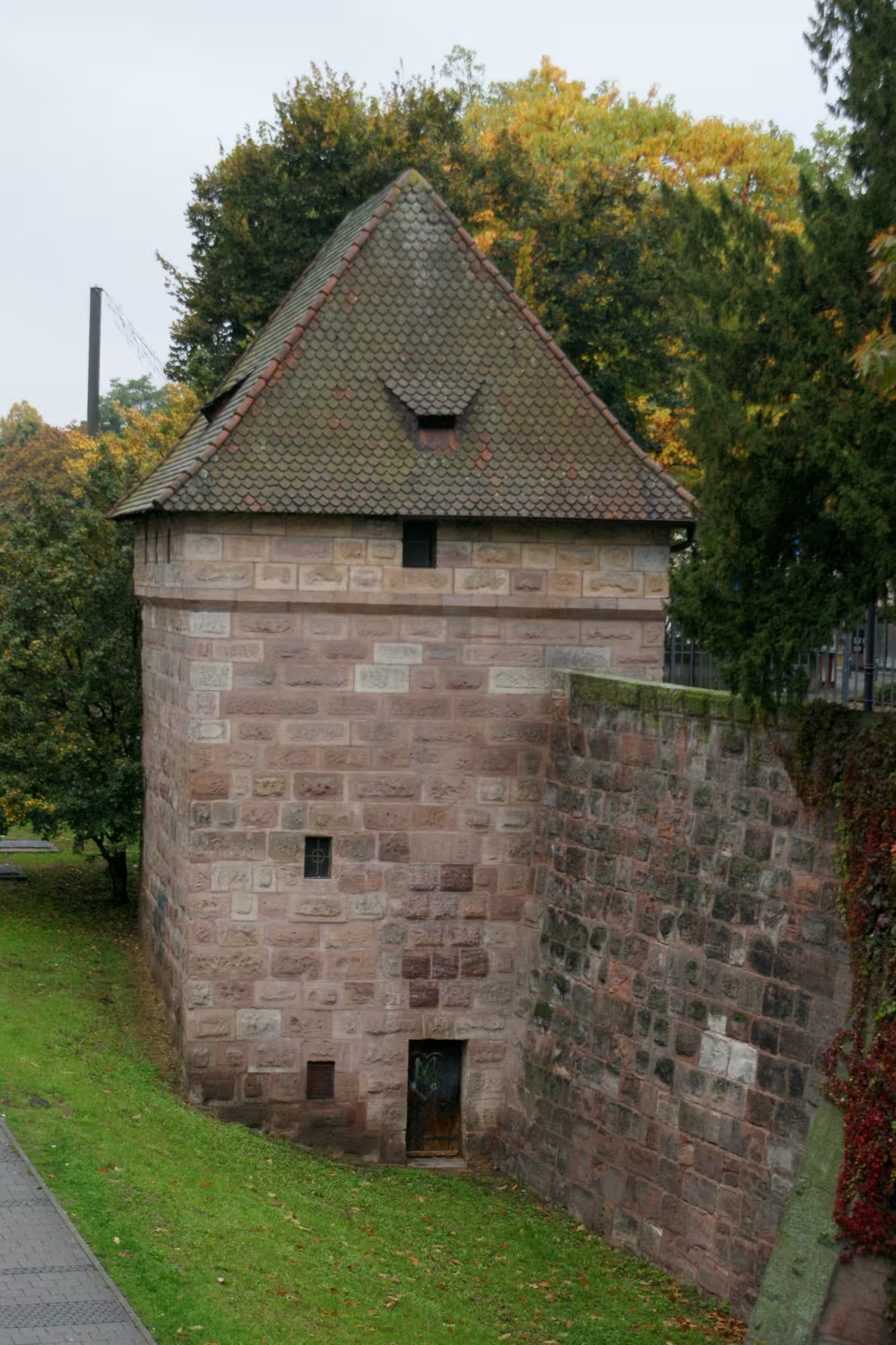
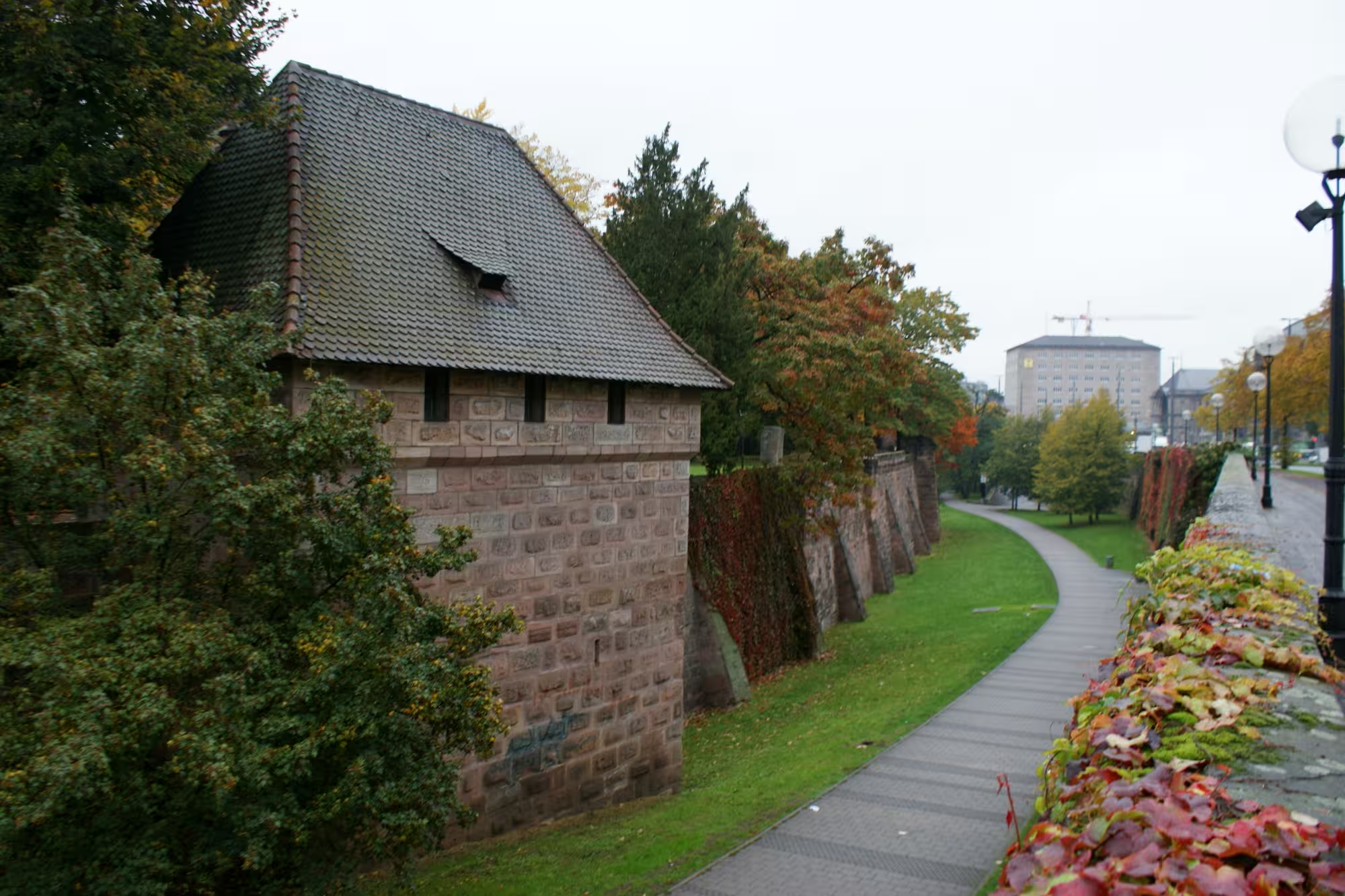
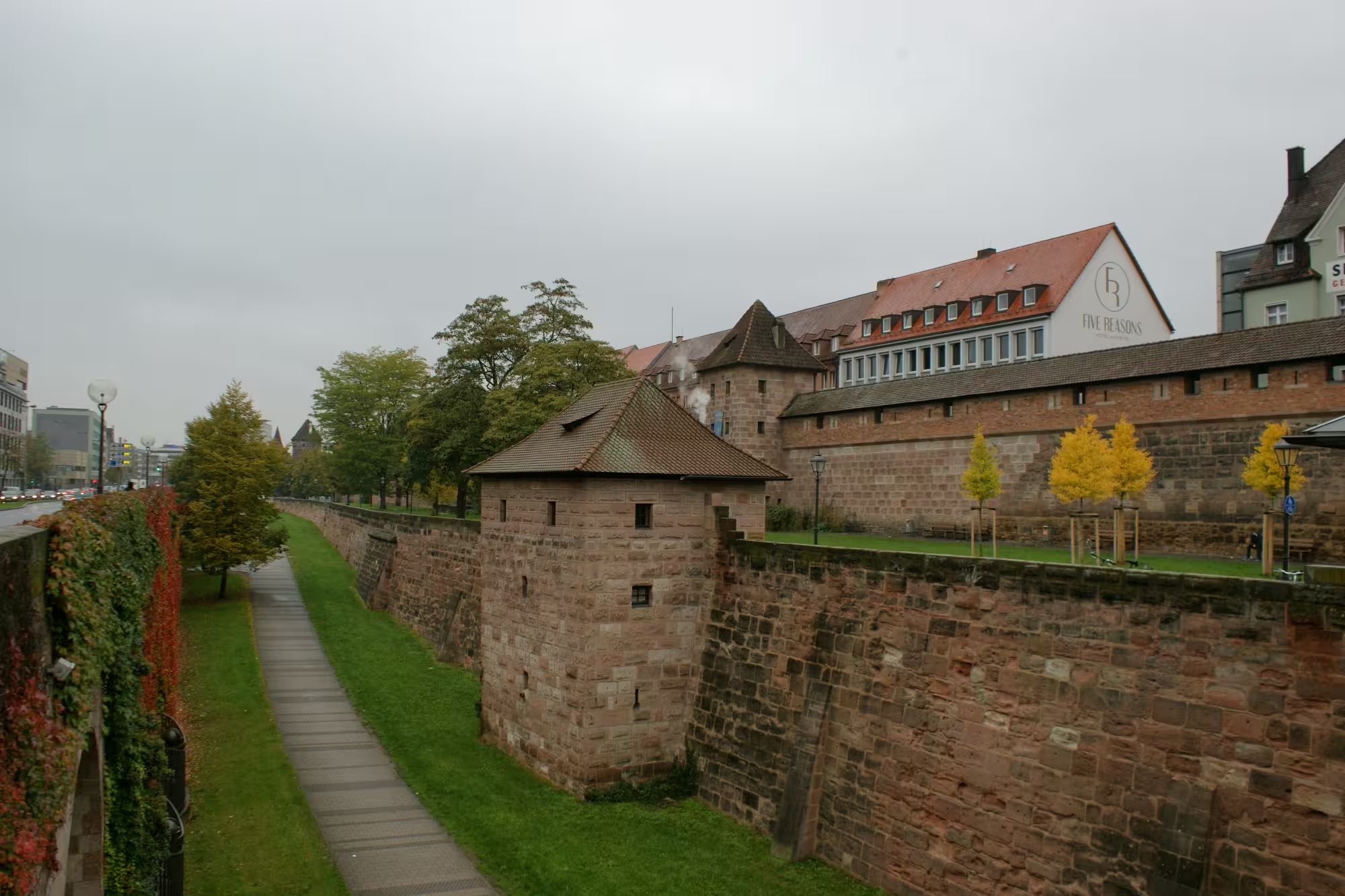
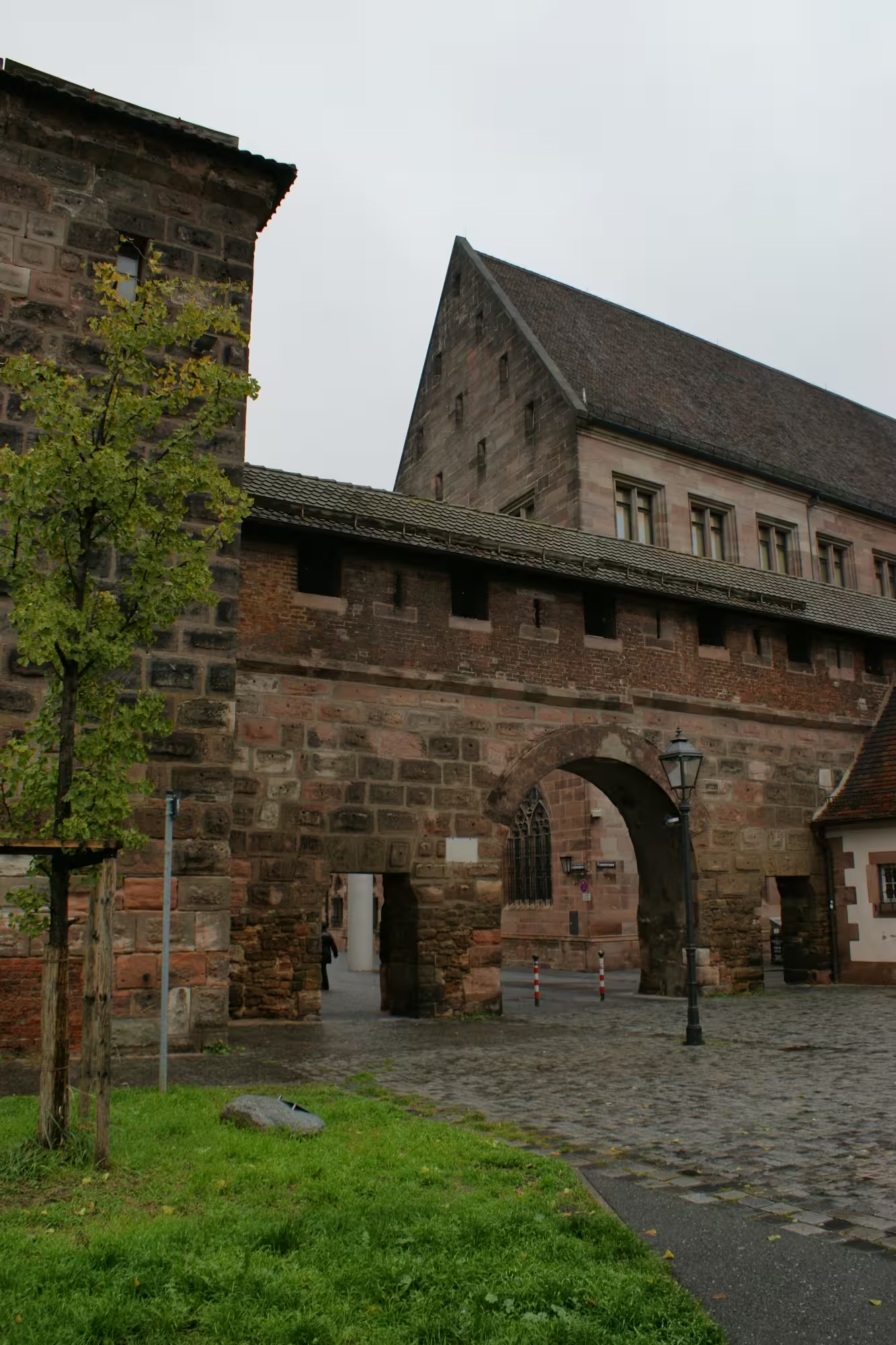
    I stayed in a nice little hostel in Nürnberg (Nuremburg) called the “Five Reasons”. It was cheap and very nice. It is situated right beside the Nürnberg city wall, a relic going back to the 12th and 16th centuries. About 4 km of the original 5 km wall is still standing. The moat surrounding the wall was never filled with water and is now a nice walking path.

    Five Reasons hostel in Nürnberg

    Nürnberg city wall

    Nürnberg city wall

    Nürnberg city wall

    Nürnberg city wall

    Nürnberg city wall

    Nürnberg city wall

    Nürnberg city wall